In the fast-evolving world of education technology, innovation is often seen as the spark that drives change. But at EdTech East Africa, we’ve learned that lasting impact doesn’t come from innovation alone—it comes from the infrastructure of collaboration that supports it. Over the past decade, our small but determined nonprofit has focused on building the connective tissue that brings people, ideas, and institutions together. We’ve learned that when you invest in the right relationships, rhythms, and resources, collaboration becomes more than an intention—it becomes an engine.
This post shares what we mean by “collaboration infrastructure” and how we’ve built it, layer by layer, to strengthen the EdTech ecosystem in Kenya and the wider region.
What is “Collaboration Infrastructure”?
At its core, collaboration infrastructure refers to the structures, systems, and social norms that make it easier for people and organizations to work together effectively. In our experience, this includes:
- Shared spaces (both physical and virtual) where people can connect informally and formally
- Regular convenings that create rhythm and momentum
- Accessible information that allows stakeholders to stay informed and aligned
- Common frameworks and language that reduce friction and misunderstandings
- Trust-building mechanisms, including transparent communication and inclusive processes
- Tools and processes that streamline joint action
This infrastructure doesn’t appear on its own. It must be intentionally designed, maintained, and adapted over time. And while it often lives behind the scenes, it’s what makes deep, sustained collaboration possible.
Why It Matters: The Collaboration Gap in EdTech
In Kenya, as in many parts of the world, the EdTech sector has grown rapidly—but often in silos. Innovators, funders, policymakers, educators, and researchers frequently operate on parallel tracks, with limited visibility into each other’s work. This fragmentation leads to duplicated efforts, missed learning opportunities, and a slower pace of collective progress.When we launched EdTech East Africa – first as EdTech Nairobi – we saw this clearly. There were passionate individuals and promising solutions across the ecosystem, but no reliable way for them to find each other, align efforts, or share insights. We knew that if we wanted to strengthen the impact of EdTech in Kenya and the region, we had to start by building the infrastructure that would allow people to work together.
How We’ve Built Collaboration Infrastructure
Here’s how we’ve approached this challenge through our work over the past 10 years.
1. Creating Consistent, Inclusive Convenings
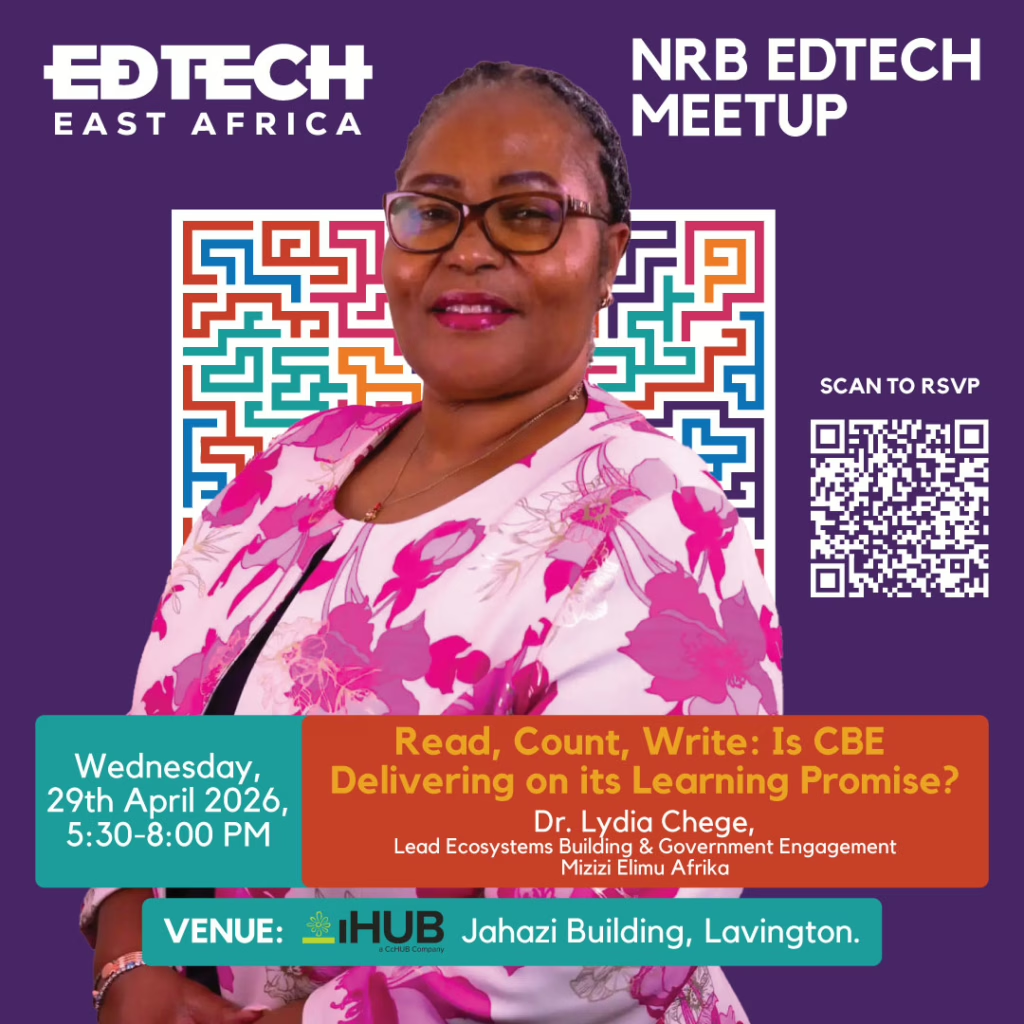
One of our first steps was to launch a monthly community meetup—an open, informal space where anyone working in or curious about EdTech could come together. What started as a gathering of a few people in an office grew into a well-attended monthly event that was hosted 10 times a year, and rotated between different themes, formats, and hosts.
These convenings have become a pillar of our collaboration infrastructure—a place where people meet potential partners, share lessons learned, and surface collective challenges. These monthly gatherings morphed during Covid-19 when we could no longer gather in-person – to online discussions, the EdTech Mondays Kenya television show (in partnership with Mastercard Foundation) and into national and regional EdTech summits that bring diverse stakeholders together. We’ve deliberately created multiple ways to engage and low-barriers to entry, allowing for a diverse mix of voices, from startup founders to teachers to ministry officials.
2. Making Knowledge Accessible
We realized early on that information asymmetry was holding the ecosystem back. Many local innovators didn’t know what donors were funding. Policymakers didn’t have access to timely data on what was working in classrooms. Startups couldn’t find research that could guide their design.
To address this, we started curating and sharing ecosystem intelligence on our community platform, EdTech Baraza: reports, funding opportunities, events, and key policy updates. We also created a monthly newsletter, EdTech Jalada, that helps people stay informed. While not flashy, these efforts have created a shared knowledge base that others can build upon.
3. Fostering Cross-Sector Dialogue
EdTech doesn’t live in a vacuum. Real change requires coordination between government, civil society, the private sector, and educators. But these groups often operate with different incentives and languages.
We’ve made it a priority to bridge these divides—organizing policy dialogues, roundtables, and collaborative workshops where stakeholders can come together on neutral ground. Sometimes that means translating between “tech-speak” and “education-speak.” Other times it means simply creating a safe space to surface tensions and find common ground.
Through this work, we’ve helped foster shared language and frameworks that make cross-sector collaboration smoother and more productive.
4. Modeling Collaborative Leadership
Perhaps most importantly, we try to model the collaborative values we promote. This means being transparent about our process, actively crediting the contributions of others, and inviting shared ownership of our platforms.
When we organize events, we invite others to co-design and co-host with us. Importantly, we do not try to “own” any convening. We believe this right belongs to the full community, and it is something that we encourage others across the ecosystem to do, even using our brand and tools.
When we create tools and frameworks, we invite our partners to co-create, use and adapt how they wish. When we receive a request outside our scope, we refer it to someone in the community who’s better suited to respond. This has helped build trust and reciprocity, which are the glue of any collaboration infrastructure.
5. Co-Creating with the Community
We don’t assume we know what the ecosystem needs—we ask. Many of our initiatives have emerged directly from community input. Our partnerships with government and donors are rooted in years of relationship-building and listening.
For example, we are working with EdTech ecosystem builders in Rwanda, Ethiopia, Tanzania and Uganda through our Regional Community of Practice to create shared EdTech impact and measurement frameworks that create shared language and understanding, facilitating interoperability across the region. This co-creation mindset ensures that our infrastructure serves real needs, not just organizational goals.
Lessons Learned
Building collaboration infrastructure is slow, relational work. It doesn’t always come with flashy metrics or instant results. But over time, we’ve seen its power. Some of the most promising EdTech partnerships and initiatives in Kenya today trace their origins to an EdTech East Africa event, WhatsApp thread, or introduction.
Here are a few lessons we’ve learned:
- Consistency beats intensity. A steady rhythm of engagement builds more trust than occasional big events.
- Neutrality is powerful. Acting as a convener without an agenda allows people to lower their guard.
- Small tools can make a big difference. A shared platform or group chat can be the backbone of coordination.
Collaboration is a competency. People need support in learning how to work well across boundaries—we can’t assume it comes naturally.
Looking Ahead
As EdTech becomes more globalized and data-driven, the need for strong local collaboration infrastructure is only growing. We see our work as part of a broader movement to reimagine what ecosystem leadership looks like—less about control and more about connection.
In the years ahead, we plan to deepen our role as a backbone organization for the EdTech ecosystem in East Africa. That means continuing to convene, connect, and co-create—but also investing in the next generation of ecosystem builders who can carry this work forward.
If you’re building something similar in your own context, we’d love to learn with you. Because while infrastructure may be invisible, its impact is not. Collaboration is how we move from isolated efforts to shared progress.
Let’s build together.
Interested in partnering, learning more, or replicating some of our models? Reach out to us at info@edtech-eastafrica.com, join EdTech Baraza, or follow our work on LinkedIn, X, Instagram and Facebook.