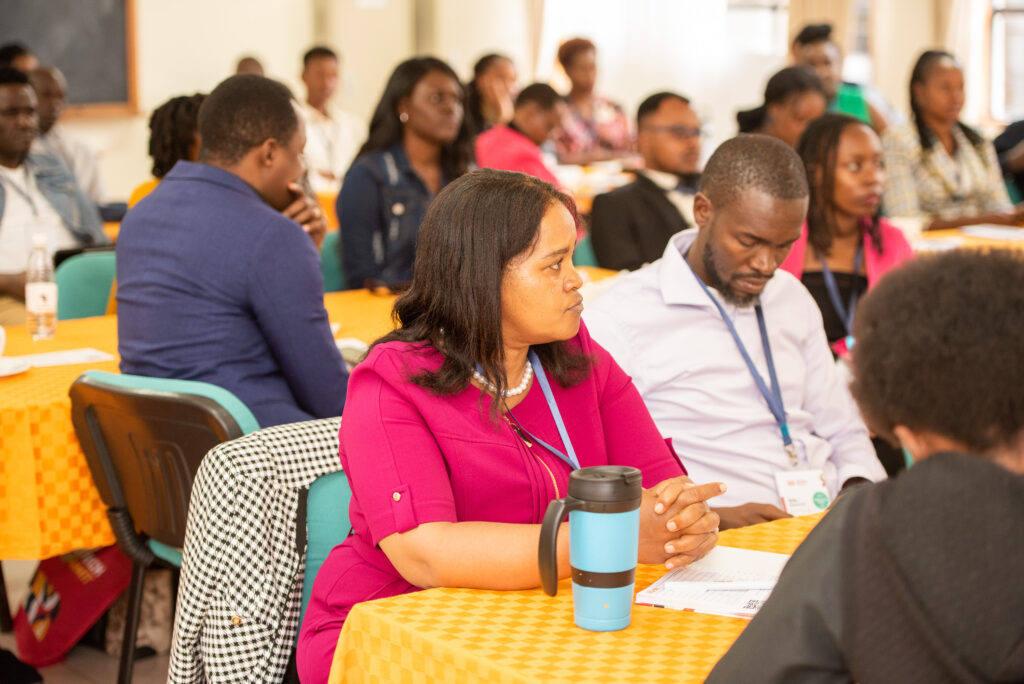
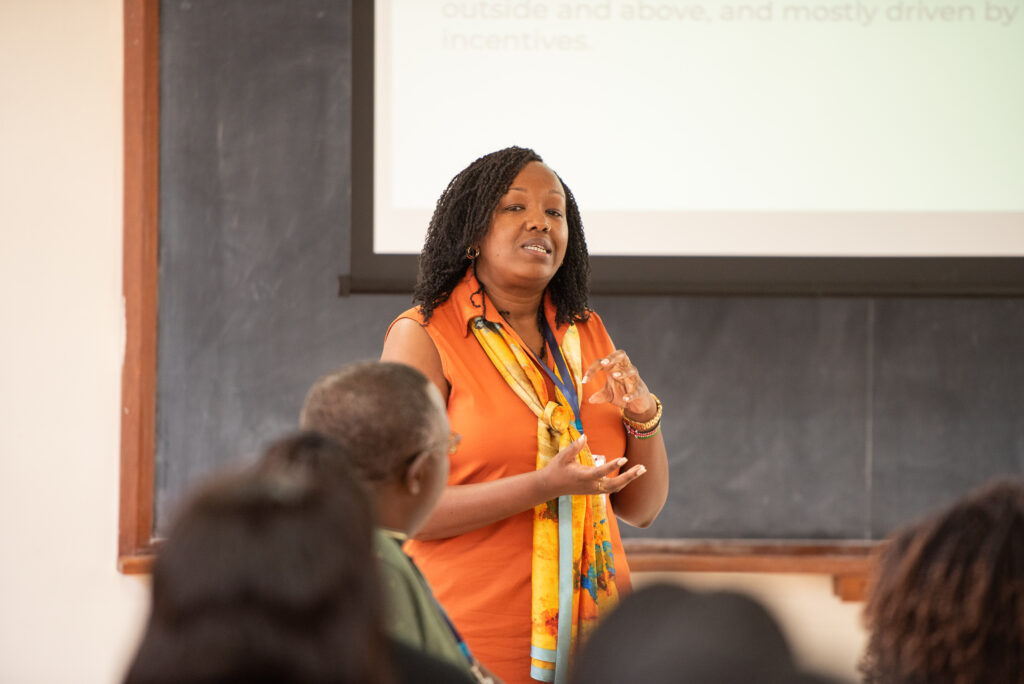
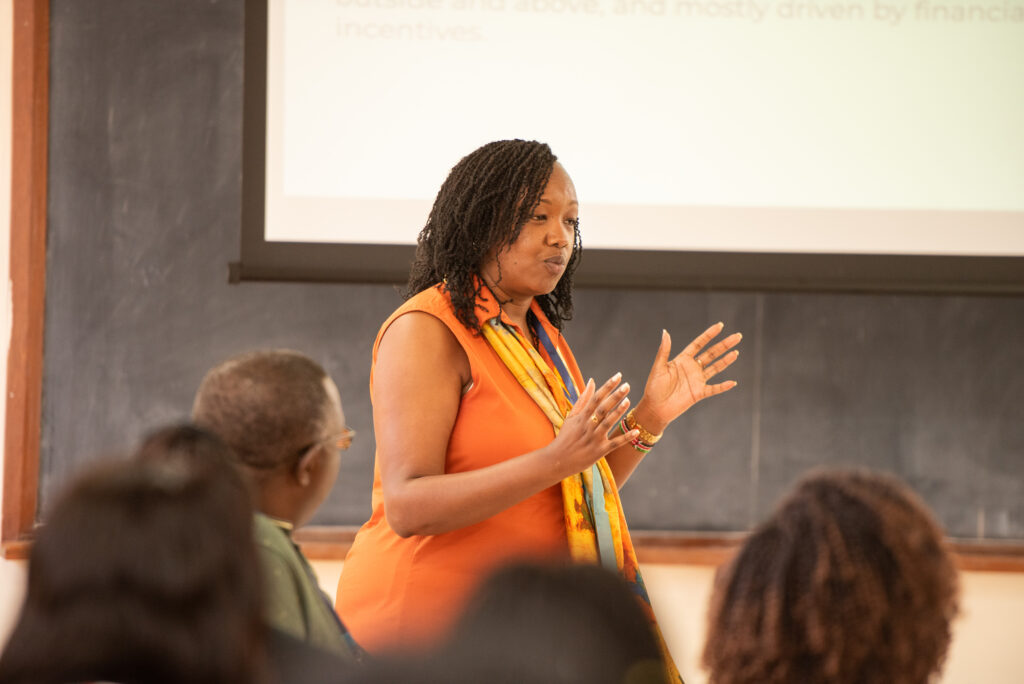
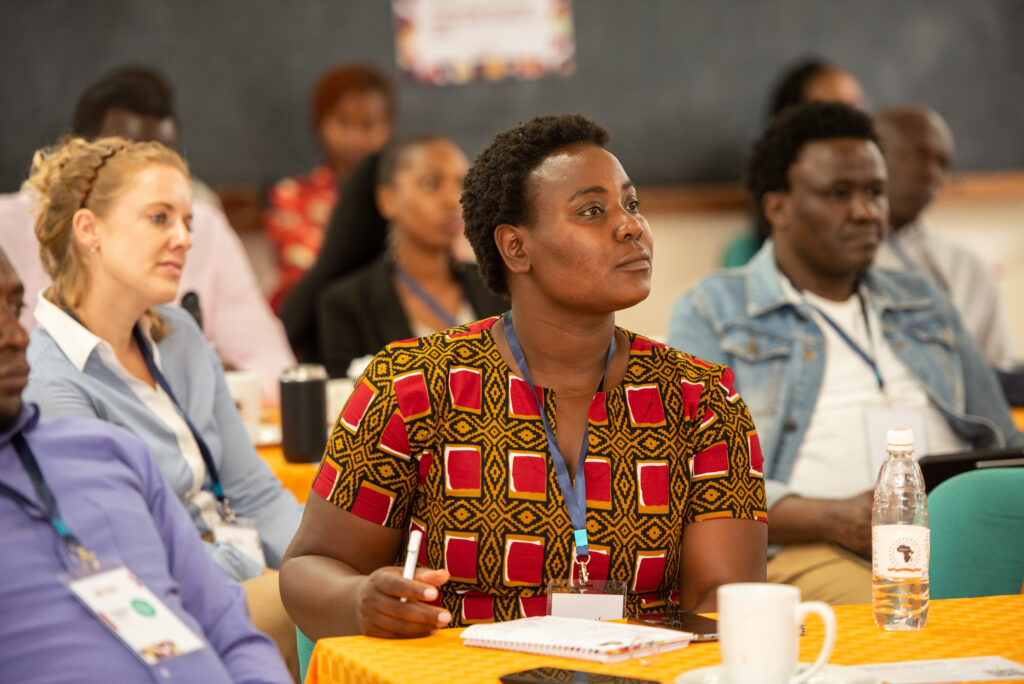
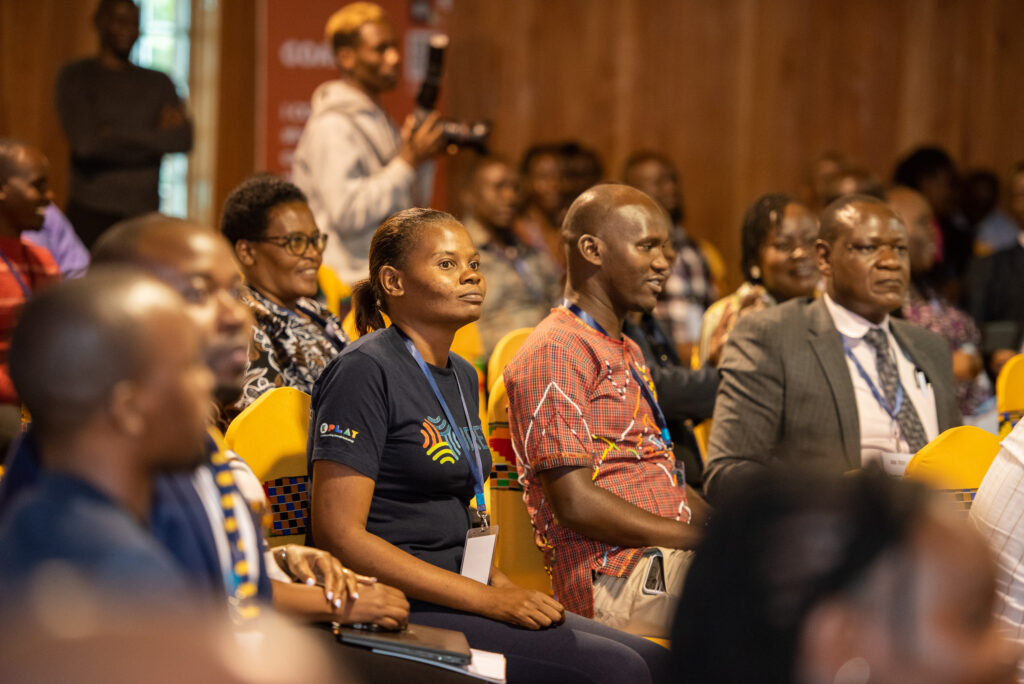
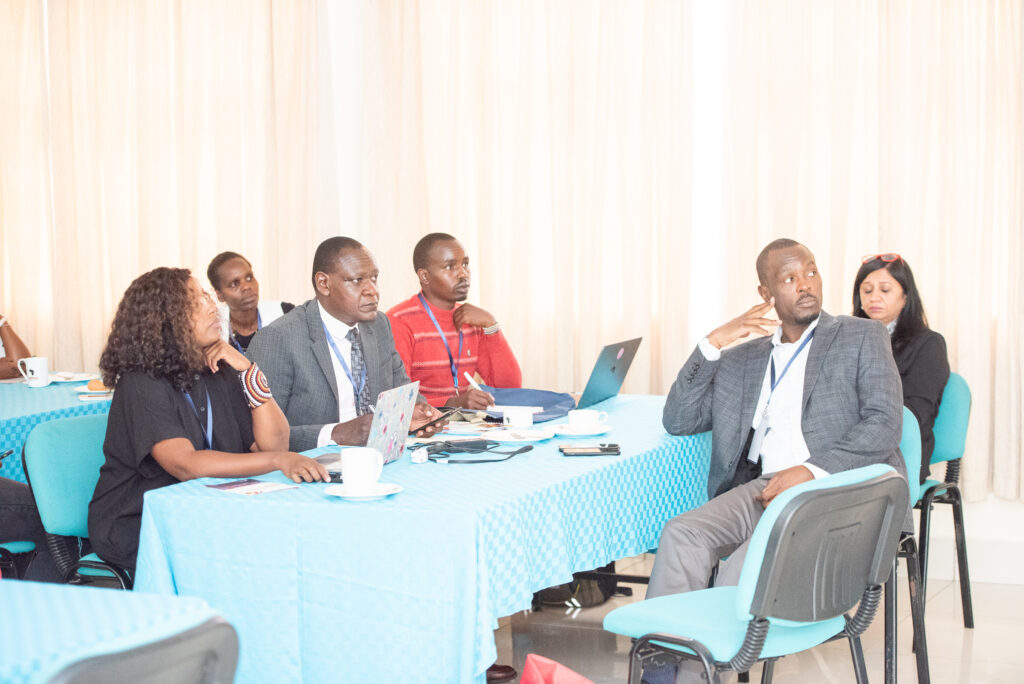
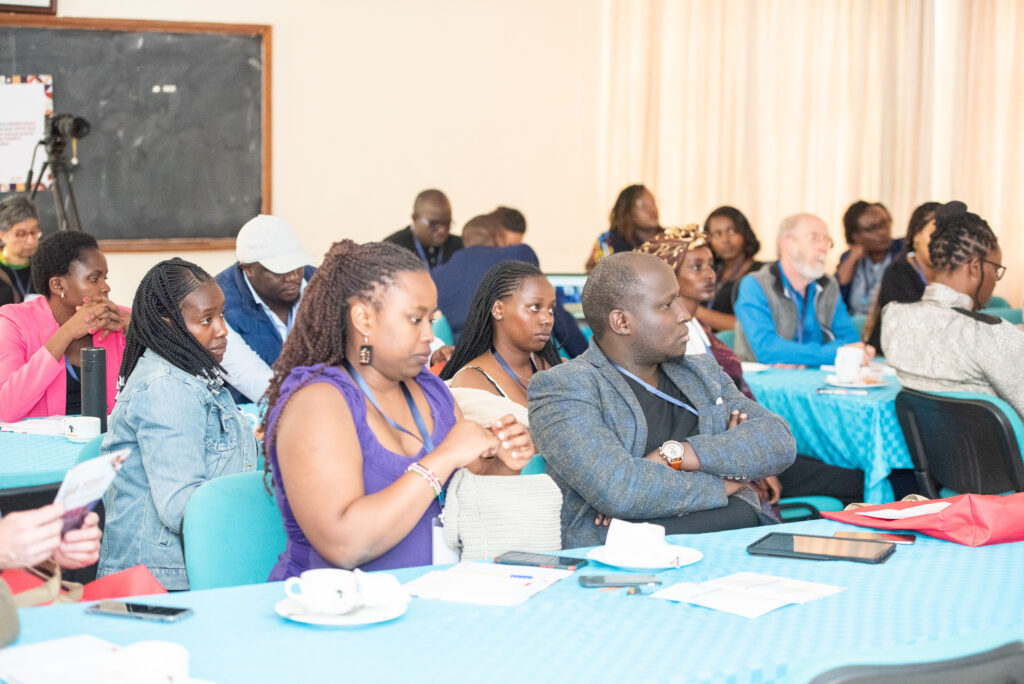
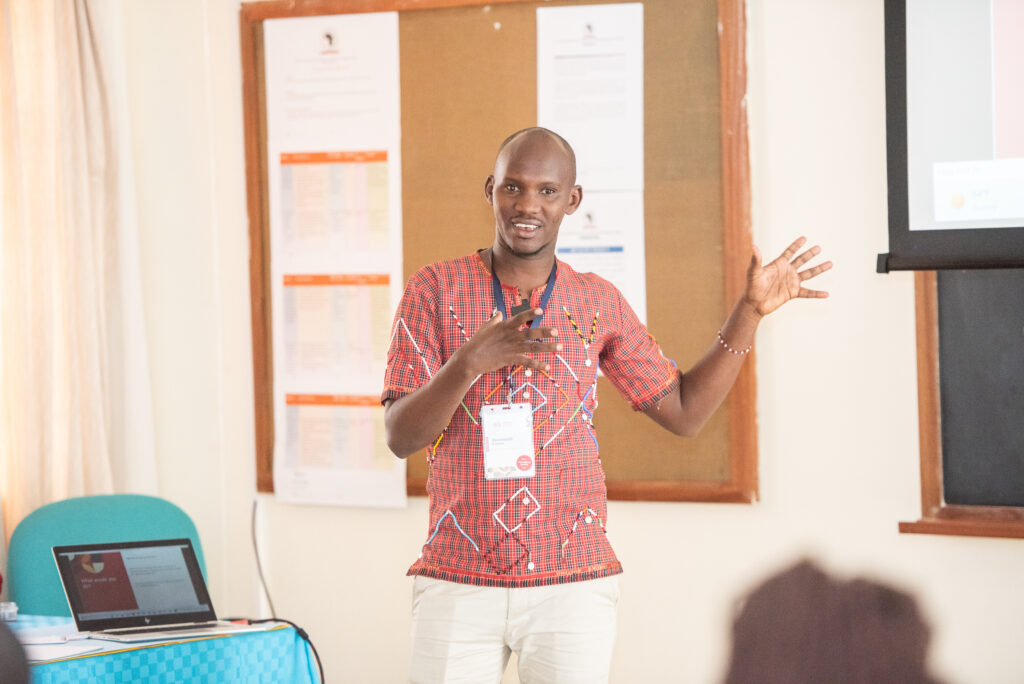
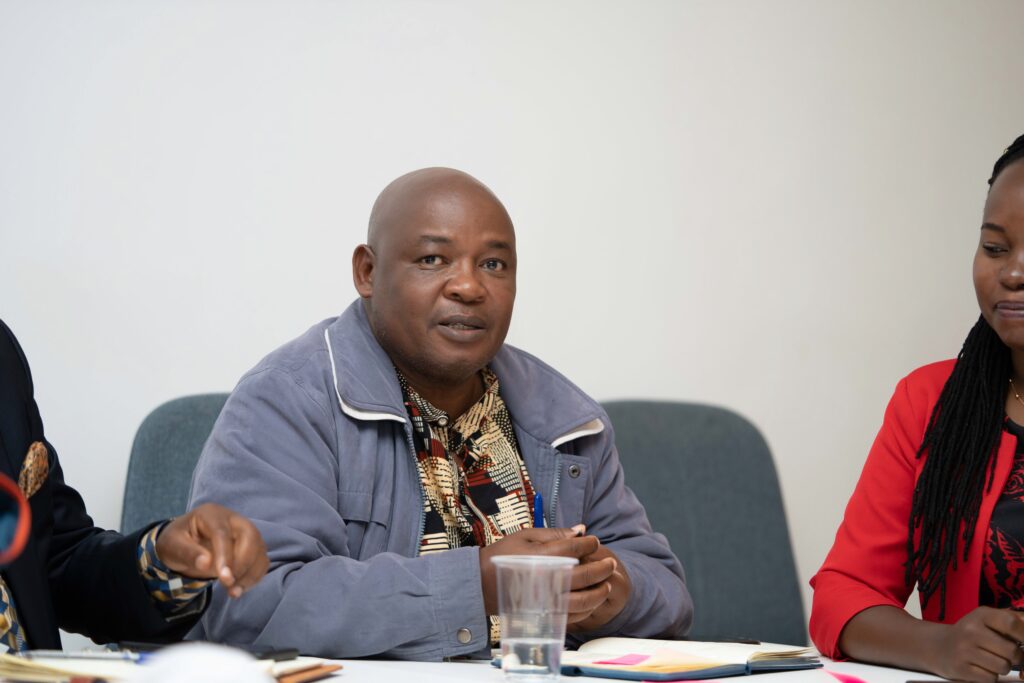
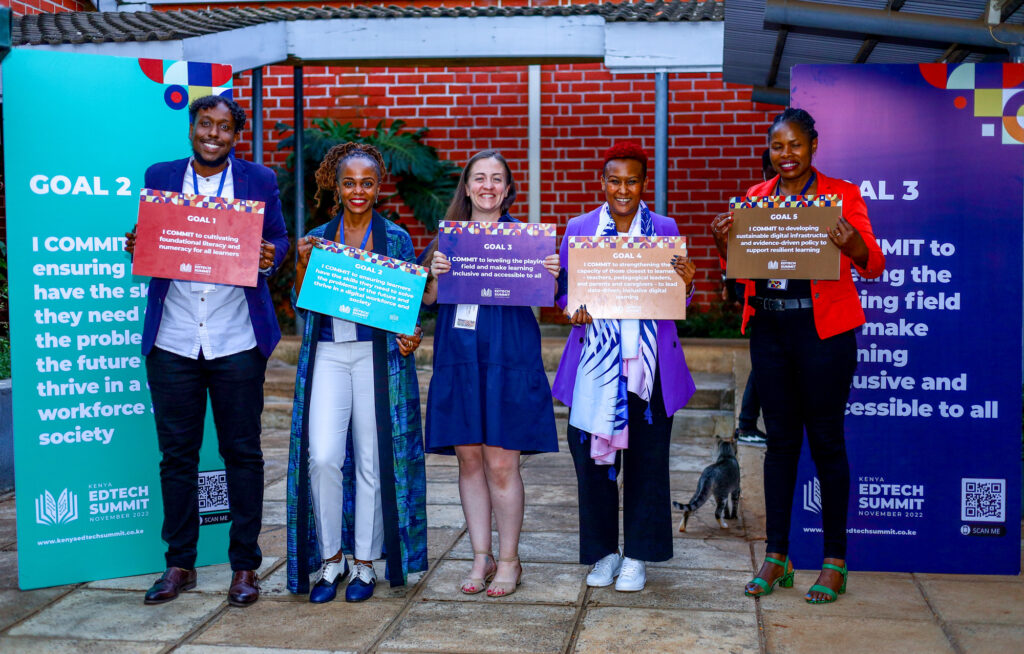
The annual EdTech Summit agenda includes breakout sessions curated with different learnings and case studies.
This year, two organizations in the EdTech ecosystem ran the demo sessions. iHub, which has an EdTech fellowship in partnership with the Mastercard Foundation, conducted the demo sessions for EdTech entrepreneurs.
These sessions provide a platform for innovators to showcase their educational technology solutions, allowing educators, administrators, parents, and tech enthusiasts to experience these tools firsthand and determine which ones best meet their needs.
As noted by Measured, live demos are among the most effective methods for demonstrating progress and gathering feedback. They enable participants to quickly grasp the functionalities and benefits of different products and services through direct interaction.
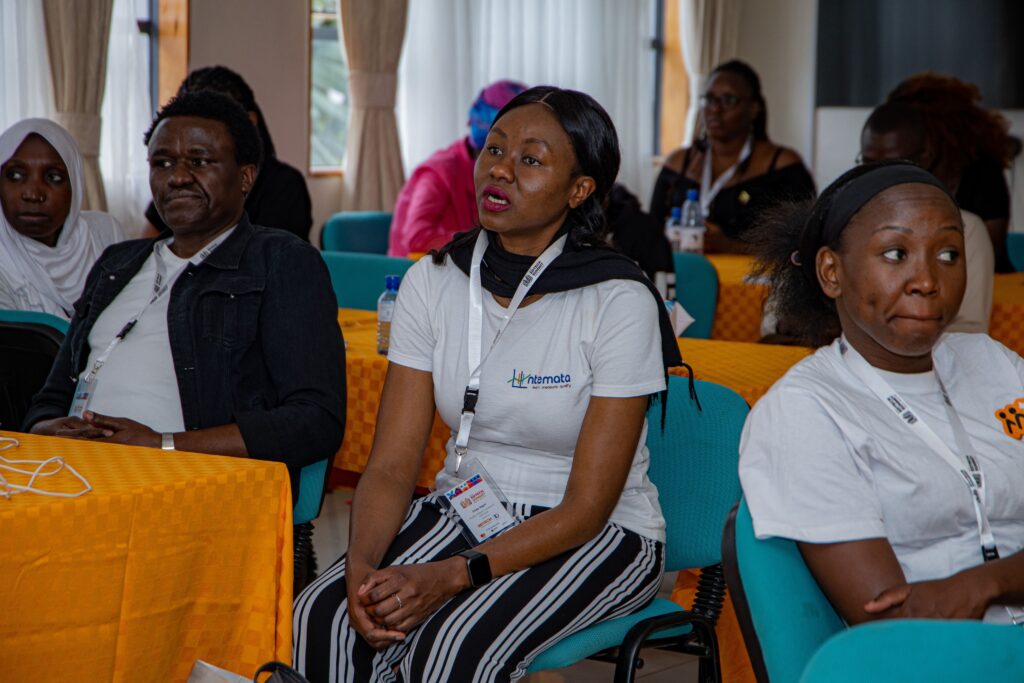
The EdTech entrepreneurs demoing their products were Somachat, Recess, Mzizi, Ntemata, Esoma Kids, and Kuze AI. These sessions highlighted several key benefits crucial to the growth and success of the EdTech ecosystem.
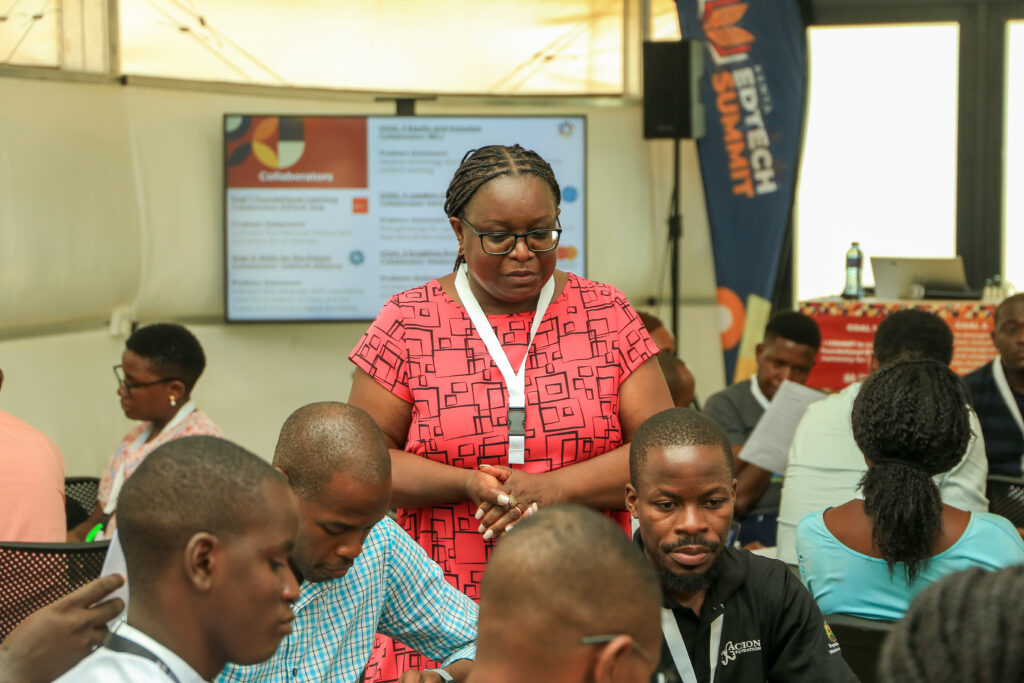
Throughout their presentations, each speaker paused to guide the delegates through the process of navigating the application, urging them to take out their phones and explore a specific feature. This hands-on approach not only made it easier for potential users to understand the technology but also fostered a deeper connection with the products.
Live demos present opportunities for immediate feedback. Participants have the opportunity to immediately ask questions, voice concerns, and offer suggestions. Lewis Njoroge from Mzizi, an online platform for school process automation, emphasized that these sessions offer invaluable real-time feedback from existing clients while also attracting new potential customers.
This interactive environment is critical for EdTech companies, as it allows them to address uncertainties and refine their solutions to better meet the needs of educators and students.
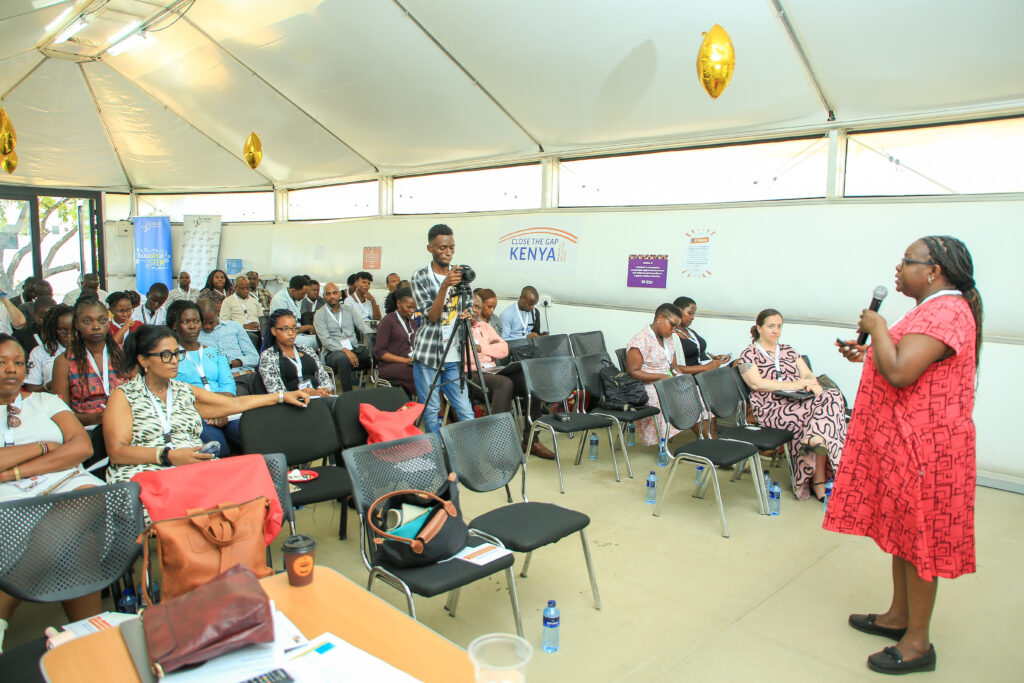
This was evident at this year’s EdTech Summit, where delegates raised pertinent questions, such as whether platforms were free or fee-based, the applicability of EdTech solutions across different education levels, and the capabilities of the technology in grading and standardization.
The phrase “seeing is believing” works well during these demo sessions. The tech companies gain the audience’s trust during these practical sessions. This transparency is essential in an industry where educators are often cautious about adopting new technologies without clear evidence of their efficiency.
Moreover, live demos are more engaging than passive presentations. They capture the audience’s attention by demonstrating real-time problem-solving, which keeps attendees actively involved. This higher level of engagement leads to better retention of information, making it more likely that participants will consider adopting the demonstrated technology.
Benta Otsyeno, a training coordinator with Nawiri, noted that the practical displays allowed her to see how different EdTech solutions work and helped her identify Somachat as a user-friendly option accessible to parents with smartphones despite their literacy level.
Decision-makers typically attend summits like this one in search of practical, implementable solutions. Therefore, these demos enable EdTech entrepreneurs to demonstrate the application of their technology in real-world educational settings, highlighting its relevance and effectiveness. This practical approach can significantly influence purchasing decisions.
Benta, for instance, pointed out that Mzizi distinguished itself with its Parent Engagement Platform, a feature that parents who frequently travel for work or have children in boarding school appreciate.
Lastly, live demos present opportunities for partnerships with other organizations. Many EdTech companies rely on collaborations to enhance their service offerings. For instance, Somachat collaborates with organizations such as Longhorn to supply standardized question papers, which it then uploads onto its exam and question banks for client use.
EdTech Summits offer a unique and valuable platform for EdTech entrepreneurs to network with other players in the EdTech ecosystem, either formally or informally. This year’s curation involved demo sessions to create a mutually beneficial environment for EdTech entrepreneurs and attendees.
These sessions go beyond merely showcasing products; they foster engagement, build trust, and create lasting relationships with potential clients, ultimately driving the growth and success of the EdTech ecosystem.
As the world evolves, everything is taking on a new shape, with digital space taking over in all sectors and introducing new technologies.
Kenya is one of the countries that is quickly evolving and ensuring that it is not left behind by introducing digital working spaces not only in offices but also in schools. The introduction of the CBC was one of the new technologies that were introduced in learning institutes, especially in public schools.
Today, EdTech community experts are working towards promoting digital literacy in schools in Kenya and ensuring that learners, teachers, and parents are introduced to and made aware of the importance of technology in schools.
Despitethe efforts by governments, the EdTech community, and other stakeholders to ensure that there is inclusivity of technology among learners, there is still a gap when it comes to learners with disabilities who have been left out, especially those who are mentally handicapped.
The Action Foundation head of programs, Stephen Ikonya, noted that Kenya has a big gap in inclusion and that women, girls, and children with disabilities have always been left out of technology programs.
Schools are also struggling to get resources that can enable digital literacy learning in their institutions because it is expensive and hard to maintain.
The language barrier among learners, teachers, and illiterate parents is still a challenge that needs to be addressed. Teachers cannot also contextualize the content to ensure inclusion in classrooms.
Philip Okidi, a teacher at Pwani Secondary School for the Deaf, said that schools and educational institutions should prioritize accessibility and diversity in STEM. He called upon all stakeholders to ensure that girls are not denied the opportunity to access their rights to go to school because most parents do not allow them to attend school. He said that learners with disabilities should also be given postsecondary digital support just to ensure that they do not sit home idle.
The government and key stakeholders were called upon to ensure that teachers are retooled to enable inclusivity.
The national government, through the Ministry of Education, has also come out to support the initiative of digital literacy in schools by providing training to teachers.
Dr. Robert Juma Wamalwa, a member of the Presidential Working Party on Education Reforms, stated during the 2024 Pwani EdTech Summit that the government and its agencies have started a journey that goes beyond the bounds of conventional education thanks to the winds of technological innovation.
In this rapidly evolving digital landscape, he said that the interception of education and technology has become the cycle of progress shaping the way children learn, how they are taught, and ultimately the future of society.
Dr. Wamalwa said that there is a need for the EdTech community, the government, and other stakeholders to reflect on the power of collaboration and imagination because the digital era has presented opportunities to enhance the learning experience, breaking down barriers and creating a conducive environment for learners around the globe.
The 2024 Pwani summit took place in Mombasa at the Close the Gap Hub. Jecinter Nduta, manager at Close the Gap Hub, a tech incubation hub where the 2024 Pwani summit took place, said that Close the Gap, a Belgium company, was brought to Mombasa to make it more inclusive for Mombasa people because there was huge innovation potential.
Changing the Norm
EdTech East Africa, supported by the Mastercard Foundation, is working closely with East African countries to ensure that learners are introduced to digital literacy.
It is a network that began 10 years ago to bring EdTech communities together in Kenya with a focus on three goals, coordination, transparency, and action. It has since grown to an EdTech East Africa community of over 4000 individuals.
Dr. Wamalwa said that the Ministry of Education and the Ministry of ICT are working together with EdTech East Africa, which plays a very crucial role in delivering technology by developing ICT infrastructure for curriculum delivery and assessment to improve digital literacy among teachers’ parents and other key stakeholders. “EdTech also has a role to play in ensuring that there are enhanced accelerated education programs for marginalized learners and learners with special needs.” Dr. Robert Juma Wamalwa.
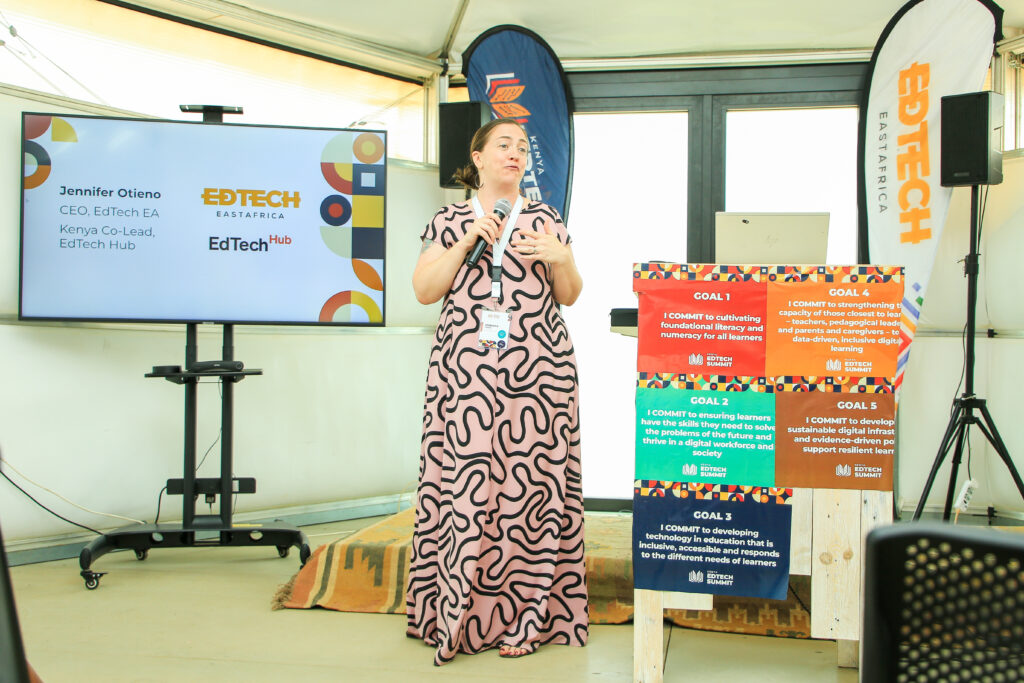
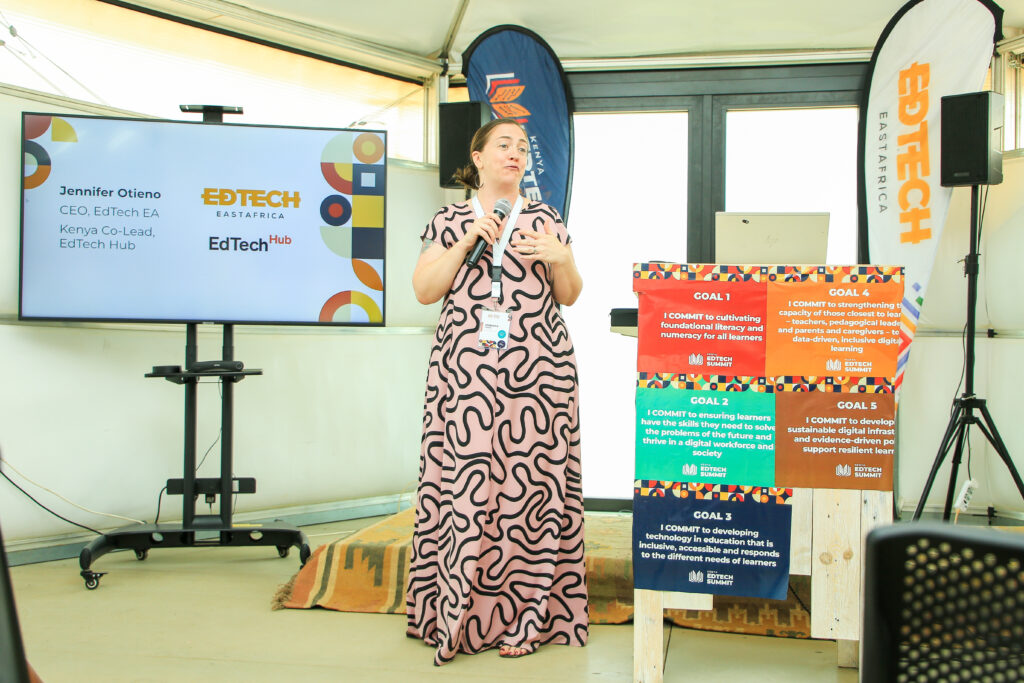
The EdTech East Africa chief executive officer and Kenya Co-Lead at EdTech Hub, Jeniffer Cotter-Otieno, said in her remarks that the organization aims to bring communities together to create relationships and forge the way forward. “Pwani EdTech Summit is about something bigger than any individual or organization; this is about us coming together. As individuals, we cannot change EdTech in Kenya, but together, it is possible, and we have the opportunity to use technology to make that transformation happen,” said Jennifer.
“We all believe that, as partners, it is important to use evidence as our common language for what allows us to make the most informed decision about how we use technology in teaching and learning. We have the responsibility of transforming the education sector in Kenya, and together, we can make that transformation,” she noted.
The CEO noted that EdTech East Africa has an agenda of helping African governments close the gaps that exist in the education sector. They are working towards having evidence-based technology by enabling teaching and learning in schools.
Evidence-based Tech
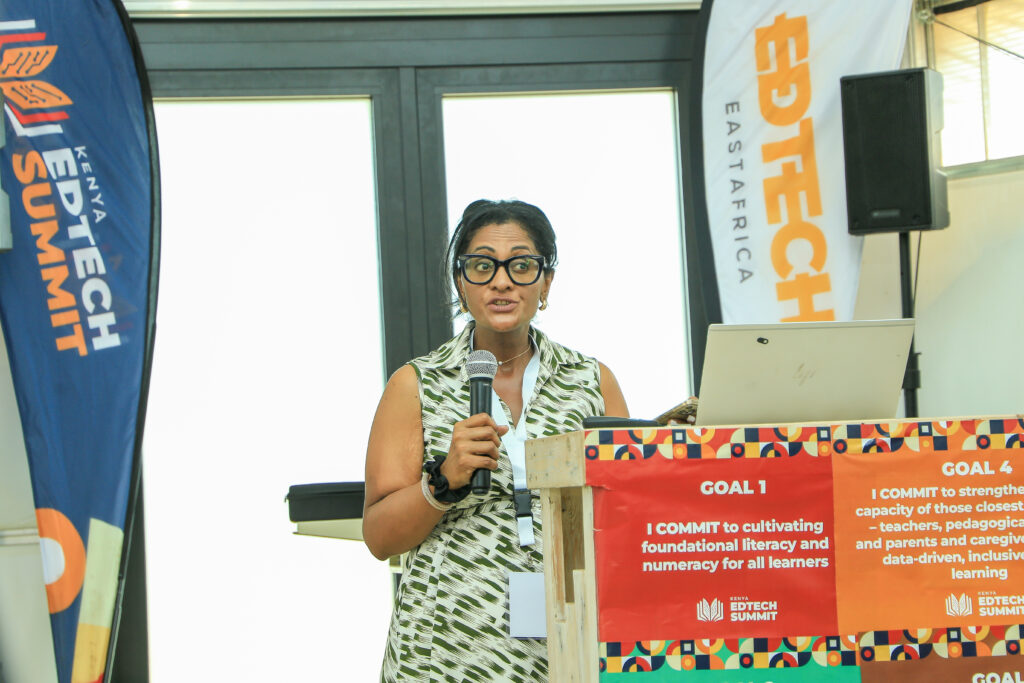
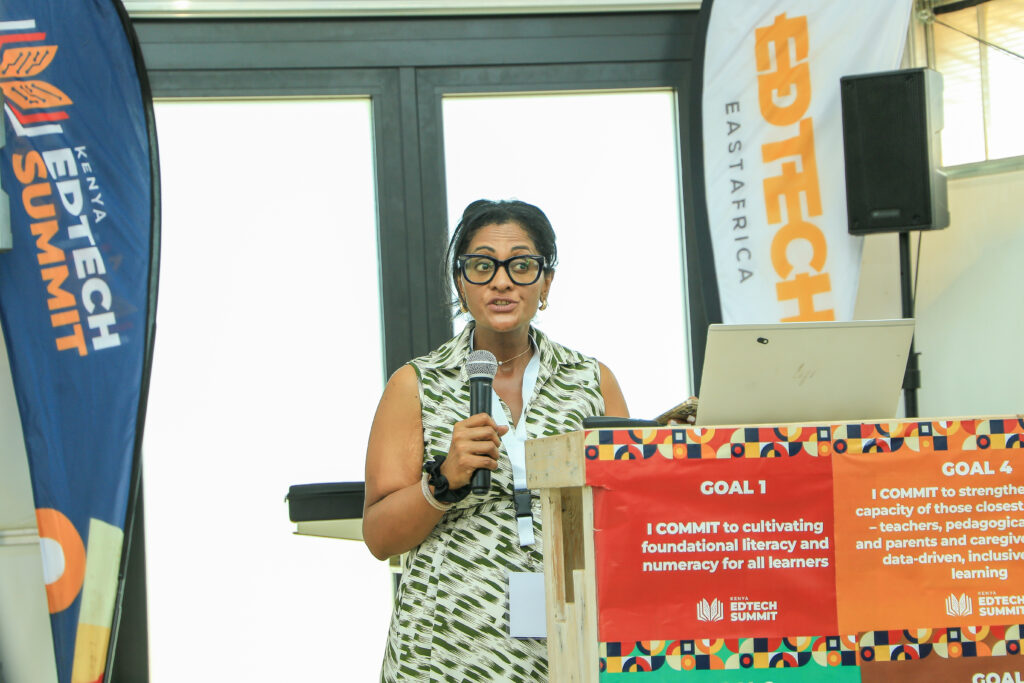
On her part, EdTech Hub executive director Verna Lalberharie noted that the EdTech Hub is a global research partnership and has a role to focus on and make sure that decision-makers, regardless of where they sit in the digital ecosystem, have access to vigorous evidence and a lot of work in regards to technology and education.
She noted that there is a need for critical evidence that will guide developers in providing tech solutions. “There is still limited evidence on the work in low-income countries in regards to technology, so how do we as developers or policymakers handle enthusiasm, including teachers as co-creators? Their role is very essential. Parental engagement is a very critical component because children who grow up in low-literacy environments where parents lack education resources, capacity, and connections in schools that need to support the development of children’s education; therefore, we need to partner with schools to ensure that we make this happen,” Verna Lalberharie noted.
She noted that measuring learners’ experiences is critical, adding that there is still a gap in the social and emotional learning of children and their mental and physical status. Her call to action to the government, EdTech community, and other stakeholders was that as they work on EdTech solutions, they need to take into consideration how they consider the children.
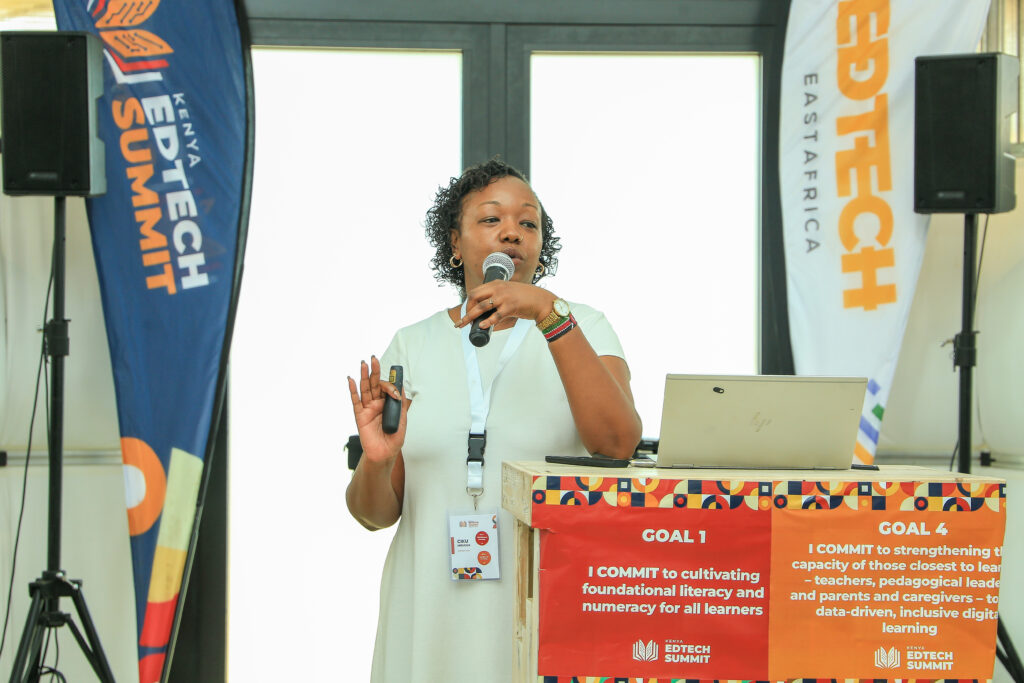
Innovation Manager East Africa, Brink Kenya, and Co-Lead EdTech Hub, Ciku Mbugua, said that they want to generate and continuously use evidence to improve and upscale in sub-Saharan Africa.
She said that EdTech Hub has a new project called Ubora Bora, which is expected to be launched on February 27, 2024, under the partnership of the Gates Foundation, who are the funders.
The new project will help enable continuous improvement and remind the education system to use evidence.
“EdTech is already doing upscale and long-term research, but we want to do speed implementation research; we want to help unlock certain things in the implementation journey. We have to work with the government and provide solutions for government productivity,” Ciku Mbugua said.
She noted that system integration goes hand in hand with scale and that the strength of evidence needs to work with the goal. The new project will fund the governments, but the partners will work with the governments.
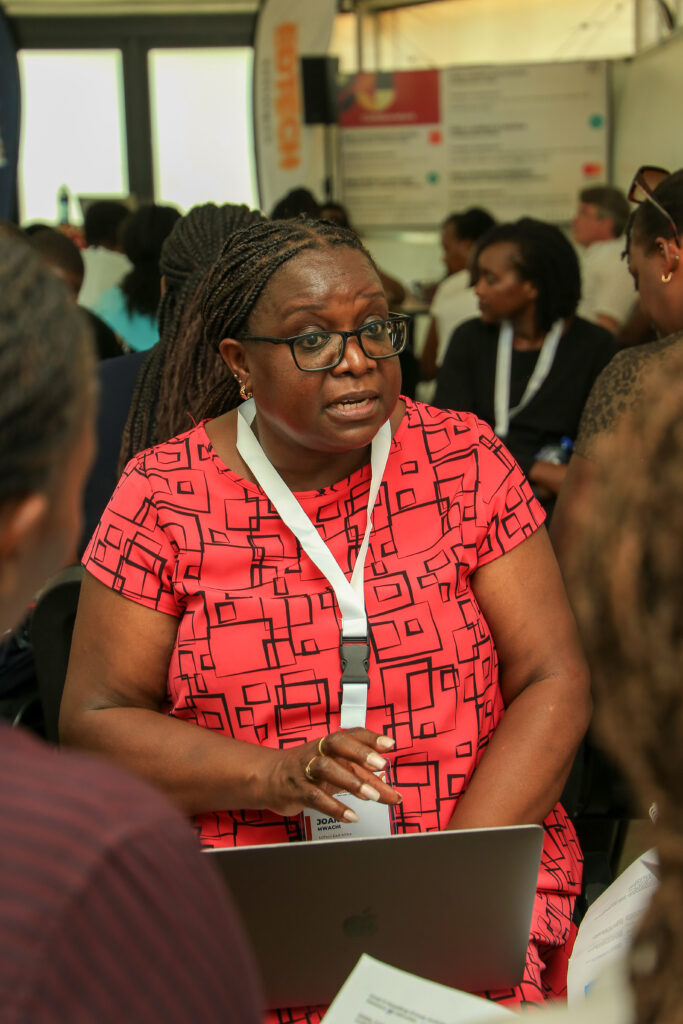
EdTech East Africa Collective Action Lead Joan Mwachi said that evidence is key, and they cannot talk about what works if they don’t talk about what works. This is because with technology, it is easy to talk about it, but those who are not in technology need evidence to believe that it works.
“We are in the process of making adaptive change consumable; we are in the era of making AI; we are now talking about intersections in education and AI: AI for learning and AI for teaching.
How are we adapting to these things? How are we preparing our teachers, what are our policies saying, and how do we use the platform of foundational learning to address skills for the future? It is all connected in one way or another, and each one of us has a role to play in that space,” said Joan Mwachi.
The key areas include a common agenda where they want to use technology to close the gap and shared measurement systems, and this entails mutually reinforcing activities. She said that if the EdTech community works together collectively, they will make a change that will work.
Another key to the collaborative effort is continuous communication. Joan said that the community platform is what EdTech has for people. On the backbone support, she noted that their role as an organization is to try and bring everyone together and coordinate the efforts of the community.
“Edtech is a catalyst; the members sit on the table of reforms because they work in one voice. What we are doing is embedded in the Ministry of Education’s vision to support teachers to have the required skills. We have partners who are working to ensure that we have co-facilitators in all areas, identifying skills that are needed in the future, and who are working towards producing technology that ensures equity and inclusion,” Joan Mwachi noted.
Call to Action
To strengthen the use of technology in schools beyond the connectivity infrastructures that can be used, the government and key stakeholders were also called upon to ensure that teachers are given access to the devices, especially by the school heads and the Ministry of Education.
Stakeholders were called upon to also ensure that young people are involved in this technology implementation in schools because they are more likely to embrace and adapt technology than the teachers.
The government was also urged to come up with evidence-driven policies that will make technology yield in schools.
“It is very important to start working with teachers and not for teachers; let them contribute to the making and validation of solutions.” William is an EdTech community member.
The representative of the Presidential Working Party on Education Reforms, Dr. Robert Juma Wamalwa, said that the Ministry of Education has support from the Ministry of ICT in the implementation of technology in schools because it cannot make it on its own.
“The Ministry of Education on its own cannot make it; it needs an extra hand and support in achieving the goals towards introducing technology to learners, and that is why EdTech East Africa plays a very crucial role in this to leverage technology at all levels of education by defaulting on ICT infrastructure for curriculum delivery and assessment to improve digital literacy among teachers, parents, and other key stakeholders,” Robert Wamalwa noted.
He said that the Presidential Working Party on Education Reforms recommended that the Ministry of Education enhance and accelerate education programs for marginalized learners and learners with special needs while upscaling inclusivity, an area in which he said EdTech will have to play a crucial role.
We also recommended the framework for operationalizing the National Open University of Kenya. This alone presents a transformative opportunity for technology to play a central role in shaping the future of education. These are the areas which he said EdTech needs to swim in.
He called upon collaboration between the government, education institutions, and the private sector as an essential player in the success of these reforms.
He noted that he is very close to the EdTech community because they are the team that can help the government achieve or fulfill the recommendations they have on the table both nationally, regionally, and even globally.
“If we talk of the African Union, that is where every country within the region must come. We need serious stakeholders and partners like the EdTech community and other opportunities because we have increased access to learning, inclusive quality education, relevance in learning and teaching, and parent and teacher professional development.
Online courses are something that EdTech East Africa can do because, within the EdTech community, we have a team of innovators who have a lot of energy to implement this.
EdTech East Africa has a plan to hold their summits in all 47 counties to create awareness of the importance of technology in schools. The next summit will be held in North and Northern Eastern, Central, and then come back to Nairobi for the 2024 national summit.
About the AuthorMs. Aura is a communication consultant, a storyteller, and a writer. She is a journalist working with Radio Africa Group, where she writes for The Star Newspaper.
It is a hot, humid Tuesday morning on February 20th, and guests are slowly streaming in to attend the EdTech East Africa organised Pwani EDTech Summit.
A first of its kind, the event brought together EdTech experts based in the Coast region as well as innovators working in the coastal part of Kenya.
Close the Gap, an incubation hub nurturing the most outstanding tech innovations in the Coast region, is this edition’s host, with a well-organized venue suited exactly for that kind of audience.
The summit was not only to discuss the innovations but also to come up with other solutions that will see more learners, especially in remote and marginalized areas, get access to EdTech learning tools.
It was also to shed light on the importance of collaboration between government agencies, innovators, and other EdTech practitioners to make the learning transformation a success.
The inclusion of innovators meant they demonstrated their work to other parties for the sake of making their work known to more people and also forming connections.
Presidential Working Party on Education Reforms (PWPER) member Dr. Eng Robert Wamalwa officially opened the summit, highlighting why the intersection of technology and education is shaping learning and the future of society.
“This summit is a catalyst for change where education is not confined to classrooms. This is a journey that will change the destiny of education,” Wamalwa said, setting the mood for the day-long engagement.
He also noted the importance of leveraging the use of technology to empower learners and institutions. As an ambassador for ED Tech, he said it was time that government officials, education players, and the private sector collaborate to see not only Kenya but all the African Union countries benefit from this.
Jacinta Nduta, Close the Gap’s hub manager, was appreciative of EdTech East Africa considering the hub as a venue for the largest EdTech summit in the coastal region.
She said the hub offers co-working spaces, meeting rooms, and physical shops for computers whose prices are way below the market prices. These computers allow a wider population to access affordable laptops.
Their latest innovation is the Digitruck, which moves from one school to another to teach coding to learners, especially those who do not have physical premises or infrastructure that would promote education in tech, such as electricity or machines.
EdTech East Arica Co-Founder Jennifer Cotter-Otieno was in awe of the attendance, noting how this was just a noble idea with ten people ten years ago but is now attracting tens of hundreds of players in the sector.
“We decided to hold a summit in Mombasa because we wanted to bring all the communities represented from across the country.”.
“We cannot change the education sector in Kenya individually, but when we do it together, it is possible.”
On the partnership, she said the Mastercard Foundation had played a major role as a sponsor for this and other EdTech East Africa initiatives, such as the EdTech Mondays, a programme that discusses various issues in the industry and features several players.
Collaboration
EdTech Hub Executive Director Verna Lalbeharie noted that with Ed Tech, it was key to co-create innovations with teachers, parents, and caregivers to be able to have an all-round working system.
“There is limited evidence of what works in low- and middle-income countries. We need more collaborative research that will enhance the design and the platforms that we use for learning.”
A key issue was the importance of parent engagement, even as she said that teachers had shown enthusiasm.
“Parents cannot expose children to teaching at an early age; therefore, collaboration with caregivers can help prompt them to meet the challenges expected because they know what they need.”
She also noted that the learner’s wellness was important in transition. Verna said the physical health, mental health, and all-around wellness of those learning also contribute to the success of the tools used and their effectiveness.
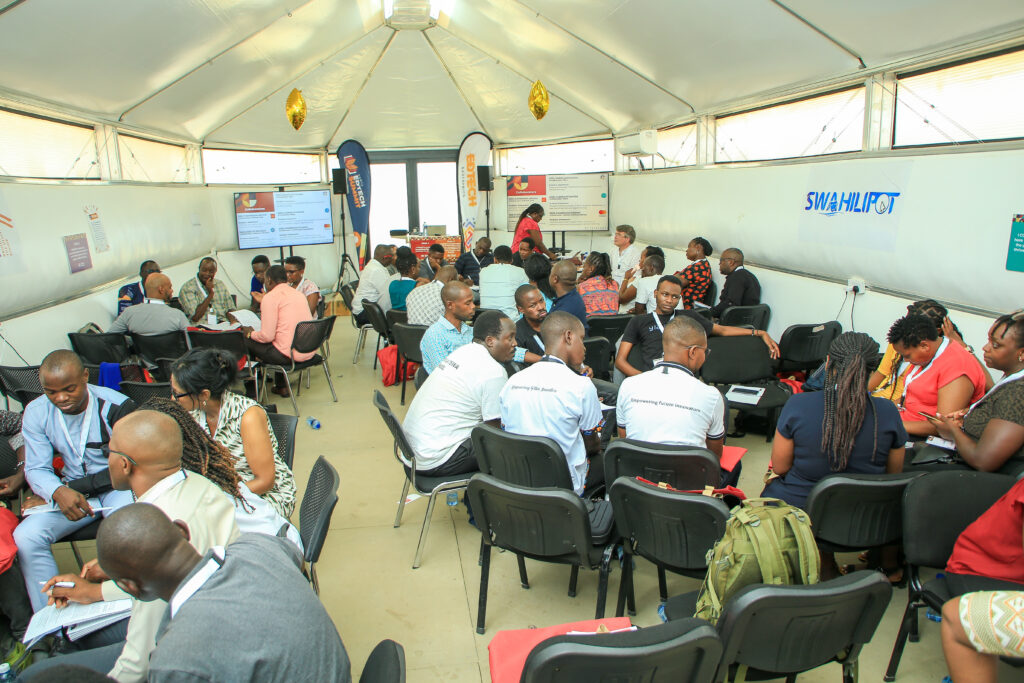
Collaboration stood out in the day-long interactions that not only involved speeches by key organizers but also plenaries and group discussions organized to shed light on the various technologies that have been applied to support learners in their education.
In her opening speech, Jennifer Cotter-Otieno said this was not just an event, but the summit was a platform to create relationships that forge the way forward in the fast-growing sector.
“We want to create an evidence-driven movement, create transparency, and also catalyze action so that we can do our work more efficiently.”
This was not possible without the inclusion of key government players.
For instance, the presidential working party on education reforms, represented by Dr. Robert Juma Wamalwa, came up with recommendations for improving the learning cycle.
“Let us reflect on the power of collaboration and imagination,” Dr. Wamalwa said, adding that PWPER had come up with recommendations for education, with the Ministry of Education, the Ministry of ICT, and EdTech playing a major role in the education transformation.
He also said the other recommendation was for the Ministry of Education to enhance inclusivity, which will be an opportunity for EdTech to play a role in the fast-transforming and evolving education sector due to technology.
Other than the role of the government, innovators were also asked to collaborate, as opposed to working in silos, to be able to bring out the best in their work. Innovators join forces, especially those with similar innovations, to avoid the replication of ideas.
Collective Action
Joan Mwachi’s Collective Action Workshop session brought to light how stakeholders are preparing for the use of artificial intelligence in terms of policies and how technology can help close this gap.
“If we work collectively, we will achieve the changes we want,” said Joan.
She said successful collaboration efforts include having a common agenda, a shared measurement system, mutually reinforcing activities, continuous communication, and a backbone support organization.
“EdTech has started a movement that I think will lead us to achieving this,” added Joan.
Demonstrations of Working Innovations in Coast Region
In one of the breakouts, Stem Impact Center Kenya ran a demonstration on how to use the coding app dubbed SCRATCH, which uses a block model for coding.
Stem Impact Center, the youth development non-profit organization, leverages Science, Technology, and Innovations (STI) to enhance technical skills development, youth empowerment, employment creation, entrepreneurship, and innovation.
The showcased programming language and online platform allow users to create stories, games, and animations. Scratch promotes computational thinking and problem-solving skills, creative teaching and learning, self-expression and collaboration, and equity in computing.
Children as young as six years old can use this, which is one of the technological learning solutions that is effective in some Coast region schools. For instance, the drag-and-drop program can be used to ease learning, and its adaptation of the Kiswahili and English languages makes the tool more relatable.
The highlight of the demo session was when participants were offered laptops to attempt to create characters and conversations using the block model. This also involved individual voice recordings to personalize the characters and being guided on how to arrange the code blocks to make successful stories from the characters.
“Most learners love it when they hear their voices, which makes the tool more relatable,” a representative from the STEM Impact Center said. They added that the innovation was willing to offer workshops for both teachers and learners in new schools to get to know how the tool works.
Taking Digital Personalized Learning in ECDs a notch higher
In the other session, Janice Mutegi and Joseph Gatonye, passionate ECD teachers, took advantage of the forum to explain to the attendees how an innovation of EIDU is working to help learning in preschools.
“We are bringing digital personalized learning (DPL) to Kenya to support teachers’ efforts in teaching,” said Janice.
Through the tool, learners have access to digital personalized learning content in math and literacy. The Kenya Institute of Curriculum Development (KICD) has approved all content, and it is fully in line with the new competency-based curriculum (CBC).
Her co-presenter, Mr. Gatonye, said they are working in steps with partners to ensure the DPL is introduced in class to support the teacher’s efforts and also have a structured pedagogy that is digitised to help teachers have some uniform way to deliver the competency-based curriculum (CBC) better and ensure ECDE officers have a platform or tool to monitor and support learning.
So far, the team has visited 37 counties and says their goal is to serve all 12+ million public pre-primary and primary students across the country by 2027, making Kenya the first country in the world to have a fully digitized education system.
Mr. Gatonye said they had developed a digital learning platform and worked with the county governments to identify schools and then help the teachers deliver the CBC curriculum.
To ensure teachers are capacity-built, they used a master training approach for early childhood development officers. They also support monitoring through class observations and cluster meetings, and EIDU officers support tech issues.
In the case study, Jane said ECDE learning in the classroom has shown considerable improvement in terms of materials in the Coast region.
“However, in every classroom you visit, different teachers have different strategic methods of covering their lessons. Even though they are using CBC designs from KICD, they have different priorities,” she said.
The project, however, still faces a challenge because there are few tools to support teachers in the coverage of their lessons.
Local education officers monitoring learning also turned out to be a challenge. The duo, however, said EIDU has joined hands with the county government to ensure learning outcomes are improved through the use of enhanced tools to support the learner, the teacher, and the officers.
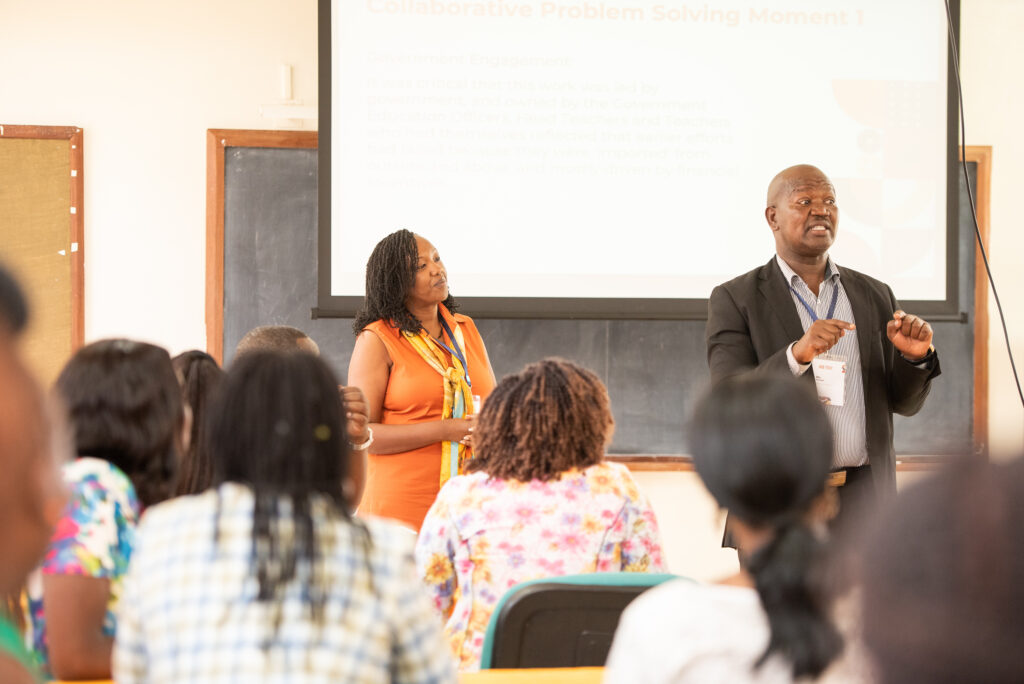
Their sessions also included group questions for participants to brainstorm how best teachers can be supported through training and capacity building when it comes to the application of the DPL tools in schools.
To be highly noted was the need to not just target the teachers but also to include community leaders and parents and use existing platforms.
Participants also suggested that there should be webinars for teacher training so that they do not have to move out of the classroom. The other suggestion was training outside of class hours.
To make this more effective, groups suggested that young teachers should be targeted in the training since they are more adaptive to digital tools.
As teachers, it was also important to note that there were factors to be considered when it came to the dosage of the tools for the learners. Participants said key considerations would be the concentration span of the learners, the activity type, and the type of learner to know how long each one will take to use the tools.
Creating Visibility
As the summit came to an end, Ed Tech East Africa called for the need to increase the visibility of creators and their projects to a larger audience.
This is after it turned out that even though there were great innovations, they were not highlighted, and people and various stakeholders were not aware of what was happening in the Ed Tech space in the coastal region and other parts of the country.
Ms Joan said highlighting such innovations to a greater audience will not only foster growth but also open avenues for collaboration with interested investors and innovators from other parts of the world
More summits and opportunities
In her closing remarks, Jennifer said this was the first of the many regional summits.
The next summit will be held in the Northern Kenya Region and another one in the Central Region before it goes back to Nairobi. “These summits will hold discussions that reflect on the technology being used and whether it is working in these specific regions,” said the co-founder.
About the author:
Ms. Cece Siago is a bilingual multimedia communication specialist and consultant. With over seven years of experience in the communication and media industries, she develops compelling stories with a bias in technology, education, climate, health, and the environment. She has worked with the Nation Media Group as a reporter based in the Coast region, with her multimedia work published in The East African, The Daily Nation, Business Daily, and Taifa Leo (Swahili), among others.
Let’s take a trip to Sobral. You don’t know where Sobral is? No problem. Google Maps’ got you. From the map, Sobral looks like a tiny dot with nothing to write home about. But don’t let that tiny dot deceive you. Because? Sobral has got a world of a story to tell.
Sobral, a municipality in Ceará in Brazil, has a population of 200,000 inhabitants. Among Brazil’s 26 states, Ceará has the fifth lowest GDP per capita. Ceará and Sobral had low levels of literacy 20 years ago. Then an education revolution of sorts happened.
According to The World Bank, “in just over a decade, Ceará improved the quality of education so much faster than the rest of Brazil. Among them, Sobral went from a bottom-ranked municipality to become first for both primary and lower secondary education and to reach levels of education quality comparable with those of world-class education systems as measured by PISA.”
Ceará has the lowest rates of learning poverty in Brazil and features 10 of the 20 top-ranked municipalities. Sobral has some of the best primary schools in Brazil. The outstanding educational results of Ceará and Sobral students are well above what would be expected given the socioeconomic context in which they live and learn.
What happened? What changed? How did Sobral do it? That’s what Dr. Samuel Marigat and other educationists went to find out in 2022. The trip, which was under the South-South (Kenyan Chapter) Programme, was to understand why a rural village has such high literacy levels and for educationists to learn the importance of foundational literacy. It’s this knowledge that Dr. Marigat and other players came to share at the 2023 Kenya EdTech Summit. The two-day summit, which was co-created by different players in the EdTech space, led by EdTech East Africa and sponsored by Mastercard Foundation, the EdTech Hub, Oracle Academy, and Amazon Web Services.
“At the end of the programme, we asked ourselves, ‘What do we go and implement?’” said Dr. Marigat, who’s a Curriculum Support Officer (CSO) at the Teachers Service Commission. “I said we will go to Kirinyaga. The South-South agreed to support us on this initiative in Kirinyaga.”
Kirinyaga rising
In 2020, in terms of education, the most dropped county in Kenya was Kirinyaga. There are 200 public schools and 200 private schools in this county that are located in Central Kenya.
Most foundational literacy programmes are led and funded by development partners. Unfortunately, when the partner leaves, the programme dies. Dr. Marigat was adamant that Kirinyaga’s turnaround would be government-led; from gun to tape.
“The teachers belong to the GoK and are paid by the GoK,” Dr. Marigat explained. “Ditto the heads of departments and CSOs and others. Because it’s government-led, we ensure there’s sustainability. Personalities go, but offices do not. The systems will remain.”
“Because it’s a government-led initiative, we move at the pace of the government. Two, we don’t allow partners to cut and paste their programmes. In Kirinyaga, we say we cook our mukimo – a local delicacy in Central– our way.”
The more, the merrier
Though Kirinyaga’s foundational literacy turnaround is Caesar-led, it is also multisectoral. It is community-centric. As the Swahili proverb warns: “You can’t kill a louse with one finger.” The team to kill illiteracy consists of Dr. Marigat, the country director of education, an official representing the Minister of Education, a steering team representing all the sectors, and a technical team that’s currently working on a manual. Other players who have seats in this roundtable are teachers, heads of institutions, County Directors, parents, CECs, the business community, and elected leaders.
Their approach is four-pronged. One; NGOs and other development partners remain in a position of support. Two; everyone moves at the government’s pace and is allowed to be the pace-setters. Three; they are collecting and learning from shared local data. And four; they have crafted roles and working teams that allow the government to take the lead.
A project on early childhood literacy and numeracy which was carried out in 400 randomly-selected villages in a rural district of Uttar Pradesh, India concluded that: “In order to fully optimise the potential of the community, there is a particular need to strengthen mechanisms for school-community engagement, recognising that home, school and the broader community are all important sites for children’s learning. This could involve implementing mechanisms for regular communication, coordination, and collaboration between teachers, parents, and communities around how best to support children’s learning.”
Fixing the foundation
A building can only go as high and be as solid as its foundation. The foundation’s depth must be commensurate to the weight it will carry and the type of soil the edifice will stand on. Every construction material used must be A1. From planning to execution, there are no cutting corners.
Education is a building that houses a nation’s hopes and aspirations. This means that learning outcomes cannot be wished away until foundational literacy is fixed. The mission of education stakeholders in Kirinyaga is to ensure every learner can read by Grade 3. They are aware that Grades 1 to 3 are the foundation. If this isn’t done right, a catastrophic collapse awaits the county and country.
“When we say most learners can read, if there’s one learner who can’t read, is that okay?” Dr. Marigat posed. “When we say 99% can read; what if that 1% is your child, how would you feel? It’s never okay when there’s one child who can’t read.”
In their initiative, no child will be left behind. To achieve this, the team’s work focuses on material development, pedagogy for early grades, and formative assessment. Besides, they have got a much-needed shot in the arm; by putting all ECD teachers on permanent and pension, the county government isn’t just walking the talk but also making the foundation firmer.
Evidence-based learning
John Adams said, “Facts are stubborn things; and whatever may be our wishes, our inclinations, or the dictates of our passions, they cannot alter the state of facts and evidence.”
Facts. Evidence. Two legs that make educational initiatives run, without which such initiatives cannot go anywhere. And Dr. Marigat knows this too well: “We prided ourselves that we were doing well, but evidence showed otherwise.”
Having learnt their lesson, Kirinyagans are doing things differently. The teachers have developed learning materials, which cover four weeks. Every Thursday, without fail, they assess every learner to check their competence level. Thereafter, they start remedial work for learners who have not met the standard. They want to know – and not guestimate – if their learners are meeting the standard.
After the assessment, they have a rubric that has been developed in partnership with the Kenya National Examinations Council (KNEC) and the Kenya Institute of Curriculum Development (KICD). That’s where technology comes in. They get real-time data because their attention is on formative evaluation. They use the evidence brought by the data to inform learning and what interventions are needed for each learner.
Tech and teachers
In Kirinyaga County, every school has a minimum of 40 gadgets. Many of these gadgets are still brand new. Part of the reason why the laptops are still new is because teachers are struggling.
The gadgets are also safe. It’s very tempting to think of the learner when talking about the use of tech in education.
“Let’s put the learners on the back burner. They’re not missing anything,” Ciku Mbugua said. “Let’s not focus on the teachers just to say we’re building technology skills.”
“Let’s equip them to use technology in their day-to-day work. Once the teachers start to perceive technology as an assistant, a tool that makes their tasks easier, then we’re going somewhere. If we want to build the capacity of teachers, we need to figure out how to leverage data; and how they can collect, understand, and use data to make decisions in the classroom. How do we begin a culture of data?”
In Kirinyaga, teachers are “tech-ing” their homework game. They write links to videos the learners need to take to their parents to watch. This has made the parents more involved. It has made parents realise they have a central role to play. It has made them realise that, like the traditional African fireplace, it takes three stones to cook.
This supports the hypothesis that: If pedagogical leaders, teachers, and parents are equipped with the mindset and competency to support the appropriate use of data, teachers and learners will receive targeted impactful support that will ensure every child can read with fluency and comprehension.
Policy
The role of policy in any foundational literacy effort cannot be overemphasised. Before you do anything, ask yourself: “Am I introducing something that’s contrary to policy?” Check the policy.
Even the team in Kirinyaga is toeing the policy line. They are implementing what’s within government policy. They are using digital learning devices from the government. They are not introducing anything new. They brought an official from KNEC when they were introducing their assessment tools.
“Government is about structures,” Dr. Marigat advised. “If you want to discuss the curriculum, go to KICD. If it’s about assessment, talk to KNEC. If it’s teacher management, go to TSC. We cannot talk about publishing books if it’s not approved by the right government agency.”
Here’s the thing. Situations may seem to be alike. But that’s not always the case. There’s a place for learning from others. There’s a place for visiting success stories like Sobral and, like a sponge, soaking in all the lessons. But there’s grave danger in blindly bringing an intervention that worked in other countries and thinking it will work locally. For instance, in nomadic communities, the schools follow the children.
When you go to the village, first find out what works in the village. Then, as they say, work it.
10 down, 90 to go
Dr. Marigat’s team has currently done 10% of all the schools in Kirinyaga County. Next January, they want to roll out the initiative in all the schools in Kirinyaga. That’s 20 of the total 200 public schools, which are scattered in the 81 sub-locations.
There’s an African proverb that says it takes a village to educate a child. A village is made up of people, policies, and potentials. These are what these intrepid educationists will have to tap into to realise their dream of making Kirinyaga the Sobral of Africa.
The Learning Out Loud sessions were a favorite among participants of the EdTech Summit 2023, organized by EdTech East Africa and sponsored by Mastercard Foundation, EdTech Hub, Oracle Academy, and Amazon Web Services. It was an opportunity to dive into real-world situations and exercise creativity in solving challenges. In this case, they were grouped into teams and told to picture themselves in charge of an organization that offered education to children in marginalized communities.
They were to come up with ways to increase enrolment and attendance among school children. It was an immersive experience. The excitement was in working against the clock to come up with the best viable ideas. Great suggestions were presented, ranging from developing cheaper, entry-level learning devices to rewarding the most engaged parents. It was a fun way to learn and be involved.
After every team had presented, participants were eager to listen to the main presentation. Partly to find out whether their ideas would work in real life and out of new-found appreciation for the environment PICO was operating.
Pastoralists Integrated Concerns Organization (PICO) is an indigenous community-based organization that seeks to address issues affecting the pastoralist communities within Kajiado County, such as climate change, education, and social empowerment.
Jeremiah Kutanya co–founded the organization in 2018 as a response to the challenges he had faced during his younger years while taking care of his parents’ livestock. He often had to skip school whenever it fell on him to take them out for grazing and watering. As if this was not enough, his journey to school involved a 20km round-trip, leaving him too exhausted to concentrate on his learning. He would wake up as early as 3 a.m. to just make it to class on time. Not to mention the risk of meeting wild animals that roamed freely in those parts. He vowed to help children facing the same situation if he ever got the chance. PICO uses best practices and accessible technology in its activities.
PICO employs the TaRL learning method to improve literacy and numerical skills. This is carried out in a fun way using locally available materials. Organizations such as Naconect, Grica Kenya and Keep Kenya Learning (KKL) help provide tech-enabled educational resources.
Community Learning Centers and Child Safety
Before kicking off, PICO had conducted a survey to understand the issues that impeded the learning of school-age children. The survey revealed that the children traveled an average of 10 kilometers to school, leading to lateness and poor concentration from fatigue.
In some cases, parents opted to keep the children at home and tasked them with herding cattle until they were old enough to undertake the journey to school. Explaining the effect of late enrolment, Jeremiah said, “Being in class with younger pupils affected the children’s learning attitude and subsequent performance.”
PICO has established Community Learning Centers close to where the children live. The education programs cater to learners from grade 1 to grade 5. This is because foundational education is critical for the overall academic success of the child. PICO works with five primary schools and one secondary school, which then enroll these learners and transition them into the formal learning system. The schools also register them into the National Education Management Information System (NEMIS).
The Community Learning Centers help retain the children within the education system. Whenever a child missed classes for two consecutive days, the team visited the child’s home to understand the reasons behind his/her absence. They would then provide the necessary support to ensure learning resumed. In cases of teenage motherhood, PICO ensures the learner can continue with her studies after giving birth. To equip untrained teachers with pedagogical training and learning strategies, the organization runs radio programs under the Pastoral School concept.
PICO maintains a community library equipped with laptops, tablets, and books donated by the locals. Sitting areas are furnished with cowhide, which is used by learners during study sessions. Volunteers are on hand to assist in training.
Keeping Parents Engaged
Parental involvement boosts the child’s well-being and confidence, which are essential for success. As KICD states, the engagement of parents creates an enabling environment for the school to build on. Working in conjunction with Naconnect, PICO created a handbook for parental engagement programs that provide skills for learning at home.
Parents are empowered through providing basic training that allows them to access educational content using feature phones. Content is sent to them based on the learner’s level. This training equips parents to differentiate various types of messages they receive on their phones, enabling them to support their children’s learning. Learners earn performance points redeemable through cash.
Engaging parents was not without hitches. Occasionally, a parent would be reluctant to let his child attend classes when he could be at home helping out with the chores. Negotiation would then be required, with an agreement reached on the number of hours that would be set aside for learning.
Use of Volunteer Teachers
The Community Learning Centers are manned by volunteers with a minimum of high school education. They are then trained in the TArL methodology. Criteria for selection are a demonstrable passion for service and a commitment to work for a specific period. The latter is to prevent disruption of learning should the young volunteer leave unexpectedly.
Lessons into The Future
The learning-out-loud session proved to be an eye-opener on the challenges faced by pastoralist communities in accessing education. By empowering parents, better learning outcomes are achieved. Parental engagement is an essential component in sustainable learning among pastoral communities.
As I sat, surrounded by digital activists, learning design experts, business analysts, researchers, and civil engineers in the first Collective Action Friday Workshop, I couldn’t help but think of the parable of the Blind Men and the Elephant.
I’m sure you may have heard the story, but if you don’t, here’s a brief summary.
Long ago, six blind men were invited to examine an elephant. When they encountered the gentle giant, the men encircled the elephant and focused on the parts that were accessible to them. As a result, each man came to a different conclusion as to the creature before them. The guesses ranged from a wall and rope to a deadly spear or sinister snake. As they bickered, with each man insisting that they were right and everyone else was wrong, a wise man watched in reflective silence before asking “How can each of you be so certain you are right?” He reminded them that the elephant is a large creature and that each of them had only touched one part. As he walked away, leaving them to their squabbles, he advised “Perhaps if you put the parts together, you will see the truth.”
This was the mission of the first Collective Action Fridays workshop on foundational literacy and numeracy, which took place on 14th July 2023 organized by EdTech East Africa in partnership with the EdTech Hub –– to combine the threads we each hold to create a nuanced, comprehensive and inclusive tapestry. Given the challenges of enabling foundational literacy and numeracy in our education systems, understanding the many ways illiteracy and innumeracy manifest is key.
Jennifer Otieno (EdTech East Africa Founder and CEO) remarked that the goal of these workshop series was to continue a conversation started in 2022 at the inaugural Kenya EdTech Summit. As such the workshop aimed to foster a deeper understanding of the problem, explore the nuances between foundational literacy and learning, and identify the barriers and enablers of effective instruction. The sessions were led by Joan Mwachi (World Reader, Board Member) and Ciku Mbugua (EdTech Hub, Innovation and Country Lead).
Foundational Literacy and Numeracy? or Foundational Learning?
The workshop commenced with a thought-provoking discussion on the distinction between foundational literacy and learning. Foundational Literacy and Numeracy (FLN) skills are, broadly speaking, the ability to read and comprehend basic texts, understand numerical concepts (like numbers), and solve simple mathematical problems such as addition and subtraction. In Kenya, 3 out of 5 Grade 4 learners cannot read an appropriate Grade 3 text. While only 50% of Grade 4 learners can solve an appropriate Grade 3 Math problem.
Conversely, foundational learning is broader; referring to the technical and soft (i.e. socio-emotional learning) skills students need to acquire to entrench the building blocks for a life of learning. While both are crucial, there is no guarantee that the technical ability to read, write and comprehend basic sums imparts the ability to navigate the relationships that mediate and define our world. As some of us noted, these socio-emotional/cultural awareness skills “don’t just happen.” They must be cultivated. Especially, within the context of a rapidly evolving society. Socioemotional skills bless us with the capacity to navigate a human, not merely a technical, world; imparting the ability to build bridges, regulate one’s self, and make and evaluate and make ethical decisions.
Thus, we (participants) engaged in a stimulating discussion about what to focus on. Given the opportunity costs involved, this discussion is necessary as it will help us determine which competencies to prioritise and what targets to realise and how. In the end, we kept our focus on foundational literacy and numeracy skills; recognising that without the ability to read and write, individuals are excluded from the environments in which their socio-emotional skills are performed.
Emerging Themes
With a shared understanding of the significance of foundational literacy and numeracy, we turned our attention to identifying the barriers and enablers of effective instruction. Several key challenges emerged during the discussions, including the lack of infrastructure, socio-economic and geographical limitations, decontextualized teacher training and professional development, technophobia, poorly designed technology, and policy implementation. To counter these barriers, the workshop participants also identified various enablers that can facilitate effective instruction. Rather interestingly, parallels could be drawn between enablers and barriers.
For example: where policies like the ICT in Education and Training (2021), Digital Literacy Programme (2016), and National ICT Policy (2016) work together to foster interest in and direct focus towards foundational literacy and how technology can be used to that effect, policy guidelines like the implementation of the capitation grant (the per-student allotment that schools receive) constrain the efficacy of those policies. They limit the practical application of well-intentioned policies, thus turning what should be an enabler into a barrier.
Other dual-purpose factors include infrastructure. While the current state of Kenya’s digital infrastructure enables EdTech in the pursuit of FLN, the gaps in our digital infrastructure disproportionately impact marginalised communities who suffer the most from the lack of FLN. The result is that 5 million primary school students, many of them economically, socially, and politically marginalised, are left behind.
Alternatively, consider the quality of existing content. Although the Kenya Institute of Curriculum Development creates incredible resources that are accessible and adaptable, many of these resources privilege literacy acquisition in English, rather than the, far more effective, use of mother tongue. As a result, the resources, while useful, do not reflect the reality on the ground. Indeed, it seems that some enablers allow us to make well-intentioned plans that are challenged by the barriers that frustrate realistic and sustainable implementation.
However, there are plenty of enablers that are, at best, a neutral good. Enablers like our ability to access and participate in global networks that support educators. Or the fact that more parents are expressing an interest in their children’s education beyond their academic performance and prospects. Perhaps the most promising enabler we identified was our youth. Over 80% of our population is below 35 years. This translates to 42 million people who are willing and able to make the transition from analogue to digital. 42 million people are willing to invest in education and digital technologies. 42 million people who are not only willing to try, but also keep trying until we get it right. The latter is particularly important because the change we seek is neither the result of bold action nor ingenuity but of consistency and persistence.
Conclusion
Ultimately, this first Collective Action Fridays workshop proved to be a crucial platform for reflection, dialogue, and collaboration in addressing the challenges of foundational literacy and numeracy in our education system. By examining the nuances between foundational literacy and learning, participants recognized the need for a balanced approach that empowers individuals with both essential skills and the ability to adapt to our rapidly changing world.
Moreover, the identification of barriers and enablers sheds light on the multifaceted nature of the issue. By leveraging technology, fostering collaborative partnerships, involving communities, and embracing innovative teaching approaches, we can create a transformative impact on foundational literacy instruction.
The workshop served as a reminder that foundational literacy and numeracy are not standalone goals but rather the bedrock upon which a lifetime of learning is built. It is through collective action and an unwavering commitment to addressing these challenges that we can equip future generations with the necessary skills to thrive in a world driven by knowledge and innovation.
In this vein, EdTech East Africa launched a platform that brings together educators, policymakers, storytellers, curriculum designers and activists (basically anyone who is invested in and dedicated to realising the Collective Action Agenda), to the table. The platform allows us to support each other, challenge each other, and share new ideas and techniques to better our work in the EdTech ecosystem. Thus, truly embracing the lesson of the Parable of the Elephant and the Blind Men; that only by combining our perspectives and intuitions, can we move towards a complete understanding of the problems before us. Only then, can we begin collectively solving the problems at hand.
In an increasingly digital world, the integration of technology in education has become a crucial component in preparing learners for the challenges and opportunities of the future. Recognizing the significance of this transformation, EdTech East Africa is proud to present the inaugural workshop series of Kenya’s EdTech Collective Action Fridays.
The EdTech Collective Action Fridays workshops will span five weeks, commencing on July 14th and concluding on August 25th. Each session will be curated around one of the five specific Collective Action goals. Put together, these goals reflect the challenges and opportunities of tech integration in education. Ultimately encouraging, and in some cases provoking, all of us – learners, educators, administrators, parents, government officials, and experts – to action.
The Collective Action Goals
Launched in November 2022, the Collective Action Goals identify the challenges that characterise Kenya’s EdTech space. These goals are grounded in the government’s ICT in Education and Training Policy 2021, which aims to promote an inclusive enabling environment for ICT in education by mobilising resources, empowering parents, educators, and administrators, and enhancing curriculum development.
The Collective Action Agenda synthesises this policy into five actionable goals upon which resources can be mobilised, stakeholders empowered, and curriculums enhanced. Notably, the Agenda embraces and embodies the collaborative spirit emphasised in the 2021 policy; directing our attention to five focus areas. They are: (1) foundational literacy & numeracy; (2) skills for the future; (3) equity and inclusion; (4) capacity building for educators and parents; and (5) digital infrastructure and enabling policy. In so doing, these Goals do more than present a way forward. They affirm the reality that educational technology is only as impactful as its reach. And aim to expand this reach.
Overview of the Workshop Series
Accordingly, each workshop is facilitated by a panel of vibrant moderators and partners who are experts in their respective fields. Our experts will bring a wealth of experience and a deep understanding of the challenges and opportunities that arise when integrating technology into education.
Cultivating Foundational Literacy and Numeracy for All Learners | 14 Jul
The first workshop will focus on empowering learners with essential literacy and numeracy skills. Participants will explore innovative approaches, digital tools, and resources that can enhance foundational learning for students across Kenya.
Empowering Learners for the Digital Workforce and Society | 4 Aug
The second workshop will delve into equipping learners with the necessary skills to thrive in a digital-centric workforce and society. Discussions will centre around emerging technologies, digital literacy, and ways to prepare students to solve the problems of the future.
This workshop will be co-hosted with Jobtech Alliance, an ecosystem-building organisation that works with digital platforms that connect people to work opportunities that build livelihoods.
Developing Inclusive and Accessible Technology in Education | 11 Aug
Inclusivity and accessibility are vital for ensuring that all learners have equal opportunities to excel. The third workshop will explore how technology can be harnessed to cater to diverse learner needs, enabling personalised learning experiences for students with different abilities.
Strengthening the Capacity of Education Leaders | 18 Aug
The fourth workshop will focus on empowering teachers, pedagogical leaders, parents, and caregivers with the skills and knowledge needed to make data-driven decisions in education. Participants will explore how data analytics and evidence-based practices can inform and enhance teaching and learning outcomes.
Forging Reliable and Sustainable Digital Infrastructure and Policies | 25 Aug
The final workshop will emphasise the importance of reliable digital infrastructure and evidence-driven policies in supporting resilient learning environments. Participants will discuss strategies for building robust technological infrastructure and explore policies that promote the effective and sustainable integration of technology in education.
Each workshop will be designed to be interactive and engaging, encouraging active participation from attendees. Participants will have the opportunity to contribute their ideas, share best practices, and collaborate with peers, fostering a sense of collective action and community-driven change.
Throughout the workshop series, attendees will work together to construct a comprehensive systems map that showcases the interconnections between various stakeholders, technologies, policies, and challenges in the EdTech ecosystem in Kenya. This visual representation will provide a valuable resource for understanding the complex dynamics of the educational landscape and identifying opportunities for collaboration and innovation.
Conclusion:
Kenya’s EdTech Collective Action Fridays present an exciting opportunity for educators, policymakers, entrepreneurs, and other stakeholders in the education sector to come together, share ideas, and collectively shape the future of education in Kenya. By focusing on the five Collective Action goals, these workshops aim to foster a holistic approach to leveraging technology in education, ultimately benefiting learners and paving the way for a more inclusive, innovative, and resilient education system.
Yet, they are more than a series of workshops designed to bring together a diversity of perspectives dedicated to improving education quality. Indeed, by creating a collaborative space, Collective Action Fridays remind us that no single actor is responsible for addressing the shortcomings in our education system. They remind us that we are not alone in our desire to fully realise educations’ transformative capabilities, and what is required of us is not a series of large leaps, but small, consistent steps toward the dream we all seek.
This vision is nothing less than a new social contract for education. One that is cognizant of our relationships with each other, with the planet, and with technology, and aims to nurture and strengthen them. One that is appreciative of the Kenyan context, and reflects our needs, capabilities and limitations. A social contract, that must be implemented.
Ultimately, this Collective Action Fridays invites us to do. For that reason alone, it has valuable lessons for each and every one of us.