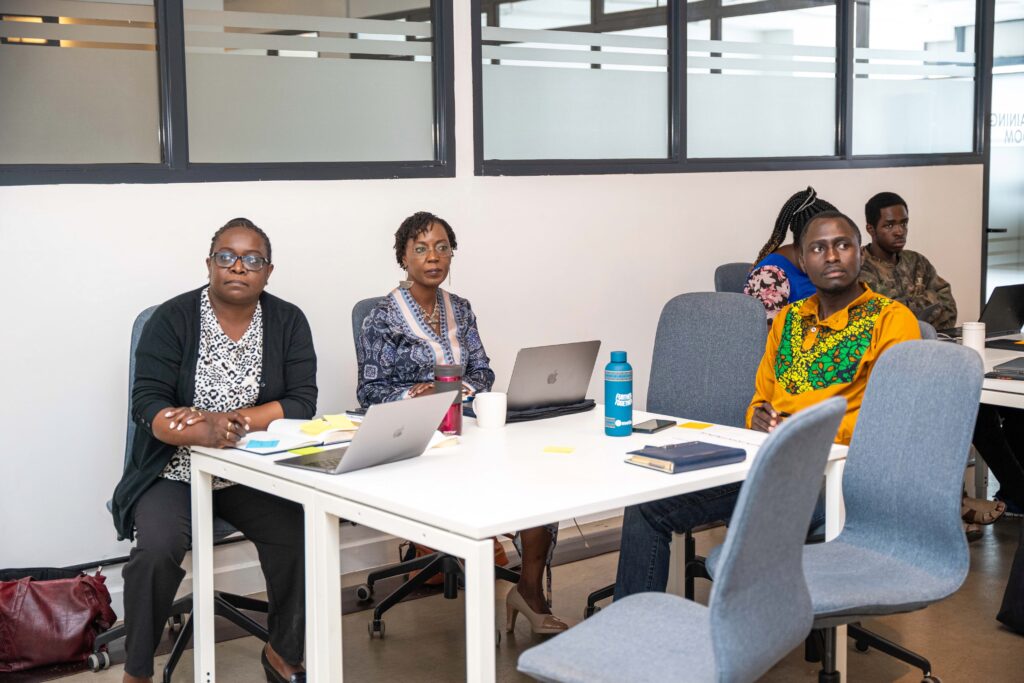
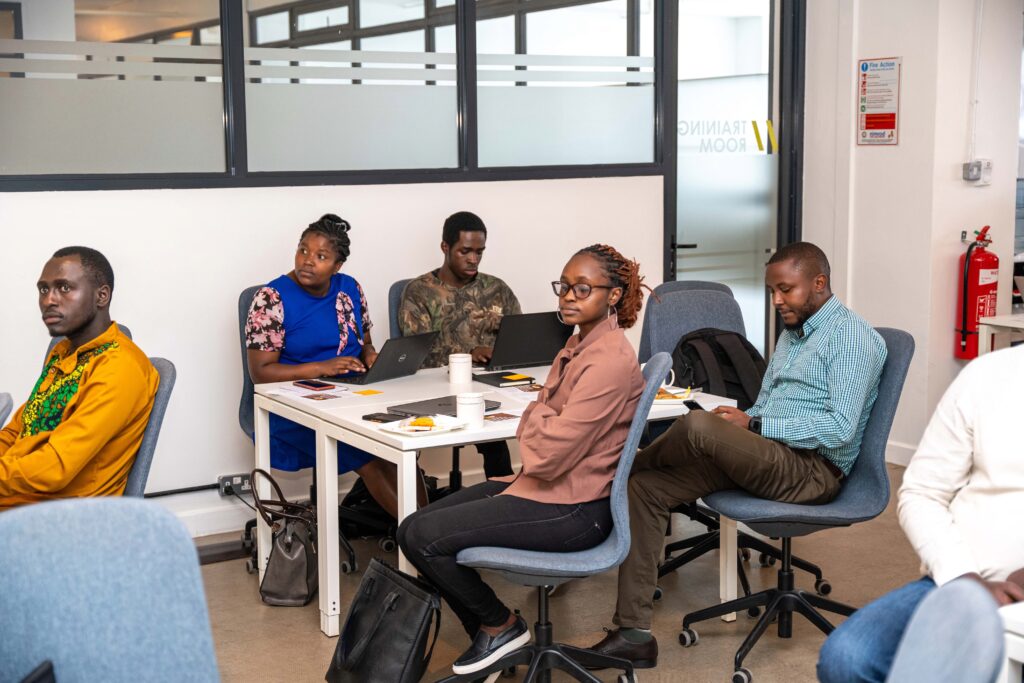
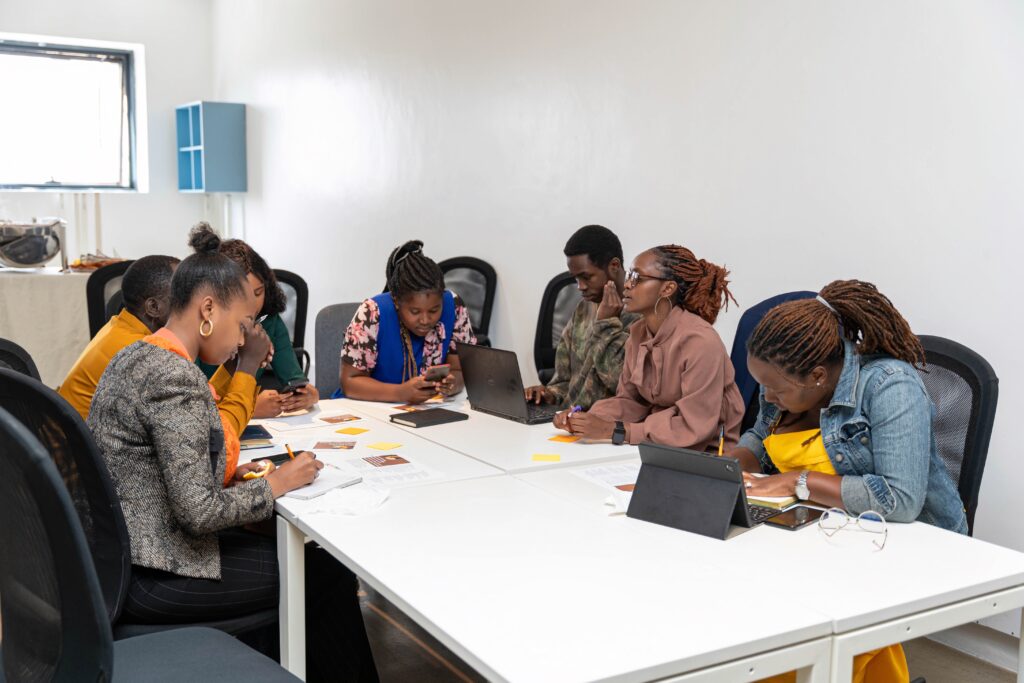
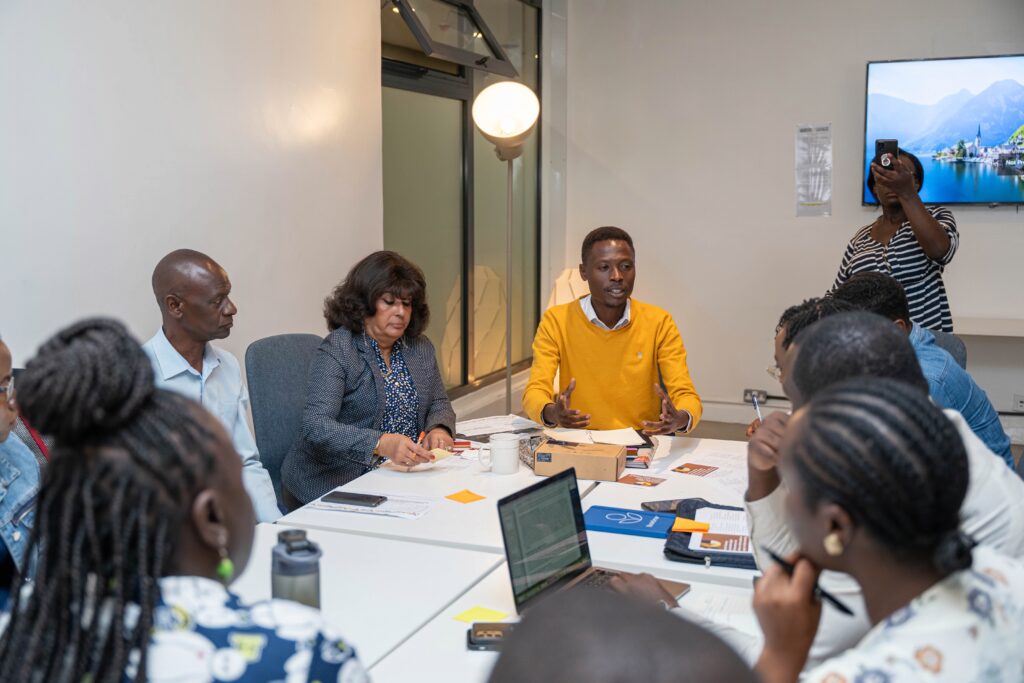
Tag: Collective Action Fridays

  • Call for Technology inclusion in schools during the 2024 Pwani EdTech Summit

    Call for Technology inclusion in schools during the 2024 Pwani EdTech Summit

    By Aura Ruth

    As the world evolves, everything is taking on a new shape, with digital space taking over in all sectors and introducing new technologies.

    Kenya is one of the countries that is quickly evolving and ensuring that it is not left behind by introducing digital working spaces not only in offices but also in schools. The introduction of the CBC was one of the new technologies that were introduced in learning institutes, especially in public schools. 

    Today, EdTech community experts are working towards promoting digital literacy in schools in Kenya and ensuring that learners, teachers, and parents are introduced to and made aware of the importance of technology in schools.

    Despite the efforts by governments, the EdTech community, and other stakeholders to ensure that there is inclusivity of technology among learners, there is still a gap when it comes to learners with disabilities who have been left out, especially those who are mentally handicapped.

    The Action Foundation head of programs, Stephen Ikonya, noted that Kenya has a big gap in inclusion and that women, girls, and children with disabilities have always been left out of technology programs.

    Schools are also struggling to get resources that can enable digital literacy learning in their institutions because it is expensive and hard to maintain.

    The language barrier among learners, teachers, and illiterate parents is still a challenge that needs to be addressed. Teachers cannot also contextualize the content to ensure inclusion in classrooms.

    Philip Okidi, a teacher at Pwani Secondary School for the Deaf, said that schools and educational institutions should prioritize accessibility and diversity in STEM. He called upon all stakeholders to ensure that girls are not denied the opportunity to access their rights to go to school because most parents do not allow them to attend school. He said that learners with disabilities should also be given postsecondary digital support just to ensure that they do not sit home idle.

    The government and key stakeholders were called upon to ensure that teachers are retooled to enable inclusivity.

    The national government, through the Ministry of Education, has also come out to support the initiative of digital literacy in schools by providing training to teachers.

    Dr. Robert Juma Wamalwa, a member of the Presidential Working Party on Education Reforms, stated during the 2024 Pwani EdTech Summit that the government and its agencies have started a journey that goes beyond the bounds of conventional education thanks to the winds of technological innovation.

    In this rapidly evolving digital landscape, he said that the interception of education and technology has become the cycle of progress shaping the way children learn, how they are taught, and ultimately the future of society. 

    Dr. Wamalwa said that there is a need for the EdTech community, the government, and other stakeholders to reflect on the power of collaboration and imagination because the digital era has presented opportunities to enhance the learning experience, breaking down barriers and creating a conducive environment for learners around the globe.

    The 2024 Pwani summit took place in Mombasa at the Close the Gap Hub. Jecinter Nduta, manager at Close the Gap Hub, a tech incubation hub where the 2024 Pwani summit took place, said that Close the Gap, a Belgium company, was brought to Mombasa to make it more inclusive for Mombasa people because there was huge innovation potential. 

    Changing the Norm

    EdTech East Africa, supported by the Mastercard Foundation, is working closely with East African countries to ensure that learners are introduced to digital literacy.

    It is a network that began 10 years ago to bring EdTech communities together in Kenya with a focus on three goals, coordination, transparency, and action. It has since grown to an EdTech East Africa community of over 4000 individuals. 

    Dr. Wamalwa said that the Ministry of Education and the Ministry of ICT are working together with EdTech East Africa, which plays a very crucial role in delivering technology by developing ICT infrastructure for curriculum delivery and assessment to improve digital literacy among teachers’ parents and other key stakeholders. “EdTech also has a role to play in ensuring that there are enhanced accelerated education programs for marginalized learners and learners with special needs.” Dr. Robert Juma Wamalwa.
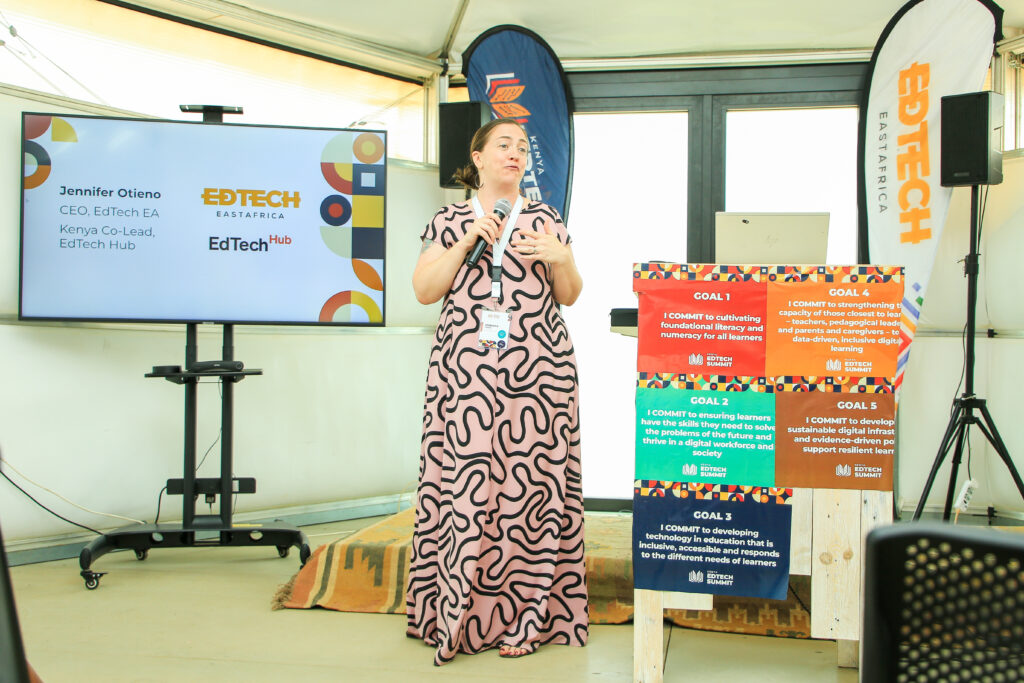
    The EdTech East Africa chief executive officer and Kenya Co-Lead at EdTech Hub, Jeniffer Cotter-Otieno, said in her remarks that the organization aims to bring communities together to create relationships and forge the way forward. “Pwani EdTech Summit is about something bigger than any individual or organization; this is about us coming together. As individuals, we cannot change EdTech in Kenya, but together, it is possible, and we have the opportunity to use technology to make that transformation happen,” said Jennifer.

    “We all believe that, as partners, it is important to use evidence as our common language for what allows us to make the most informed decision about how we use technology in teaching and learning. We have the responsibility of transforming the education sector in Kenya, and together, we can make that transformation,” she noted.

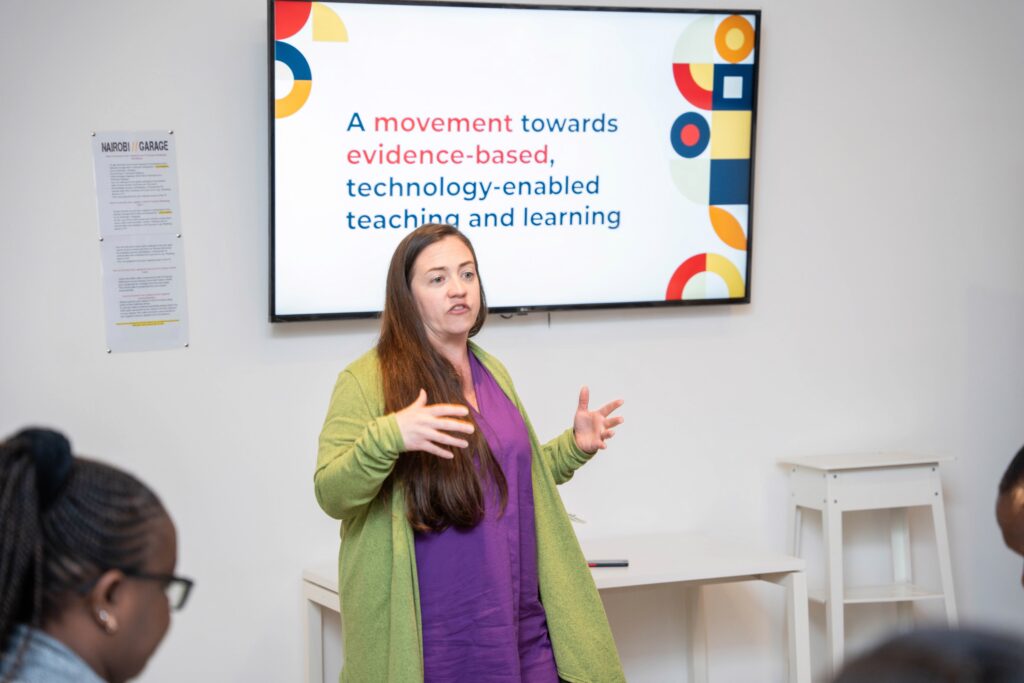
    The CEO noted that EdTech East Africa has an agenda of helping African governments close the gaps that exist in the education sector. They are working towards having evidence-based technology by enabling teaching and learning in schools.

    Evidence-based Tech
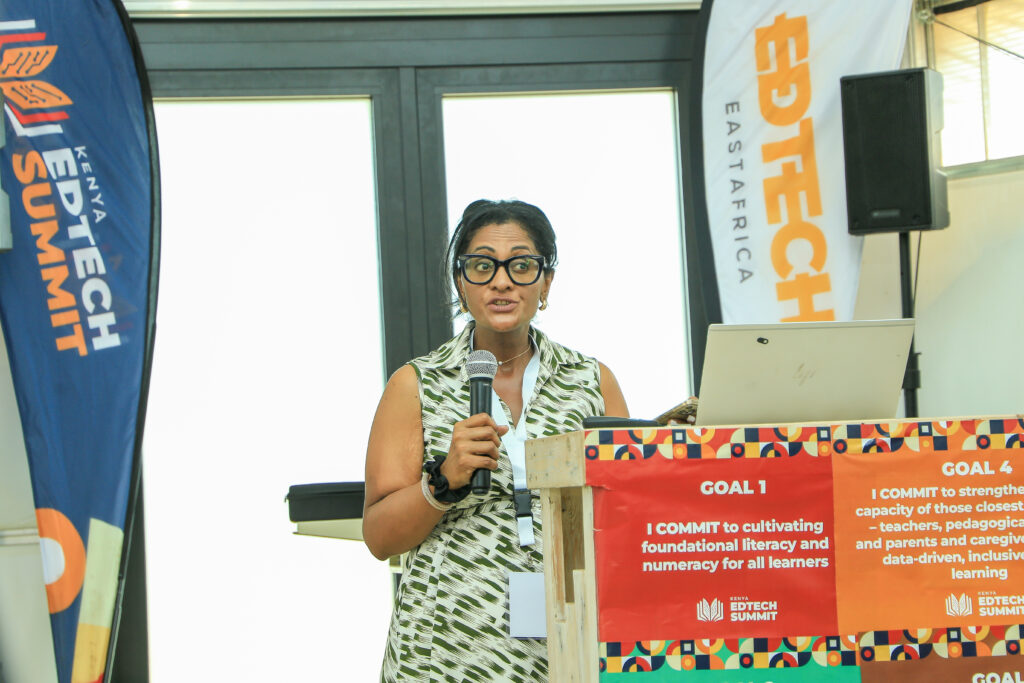
    On her part, EdTech Hub executive director Verna Lalberharie noted that the EdTech Hub is a global research partnership and has a role to focus on and make sure that decision-makers, regardless of where they sit in the digital ecosystem, have access to vigorous evidence and a lot of work in regards to technology and education.

    She noted that there is a need for critical evidence that will guide developers in providing tech solutions. “There is still limited evidence on the work in low-income countries in regards to technology, so how do we as developers or policymakers handle enthusiasm, including teachers as co-creators? Their role is very essential. Parental engagement is a very critical component because children who grow up in low-literacy environments where parents lack education resources, capacity, and connections in schools that need to support the development of children’s education; therefore, we need to partner with schools to ensure that we make this happen,” Verna Lalberharie noted.

    She noted that measuring learners’ experiences is critical, adding that there is still a gap in the social and emotional learning of children and their mental and physical status. Her call to action to the government, EdTech community, and other stakeholders was that as they work on EdTech solutions, they need to take into consideration how they consider the children.
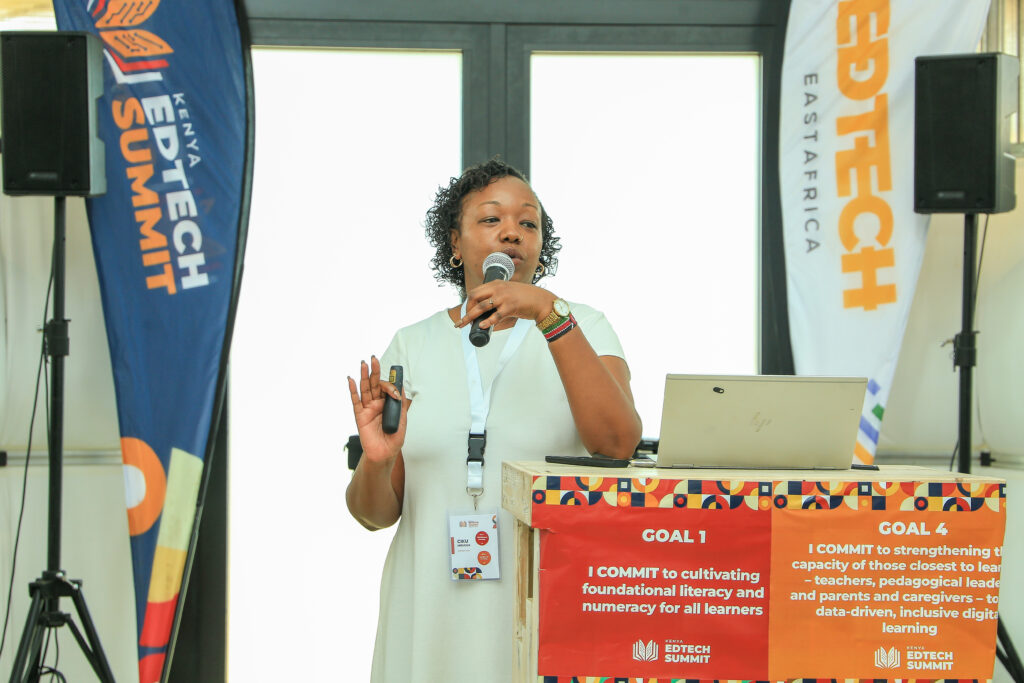
    Innovation Manager East Africa, Brink Kenya, and Co-Lead EdTech Hub, Ciku Mbugua, said that they want to generate and continuously use evidence to improve and upscale in sub-Saharan Africa.

    She said that EdTech Hub has a new project called Ubora Bora, which is expected to be launched on February 27, 2024, under the partnership of the Gates Foundation, who are the funders.

    The new project will help enable continuous improvement and remind the education system to use evidence.

    “EdTech is already doing upscale and long-term research, but we want to do speed implementation research; we want to help unlock certain things in the implementation journey. We have to work with the government and provide solutions for government productivity,” Ciku Mbugua said.

    She noted that system integration goes hand in hand with scale and that the strength of evidence needs to work with the goal. The new project will fund the governments, but the partners will work with the governments.
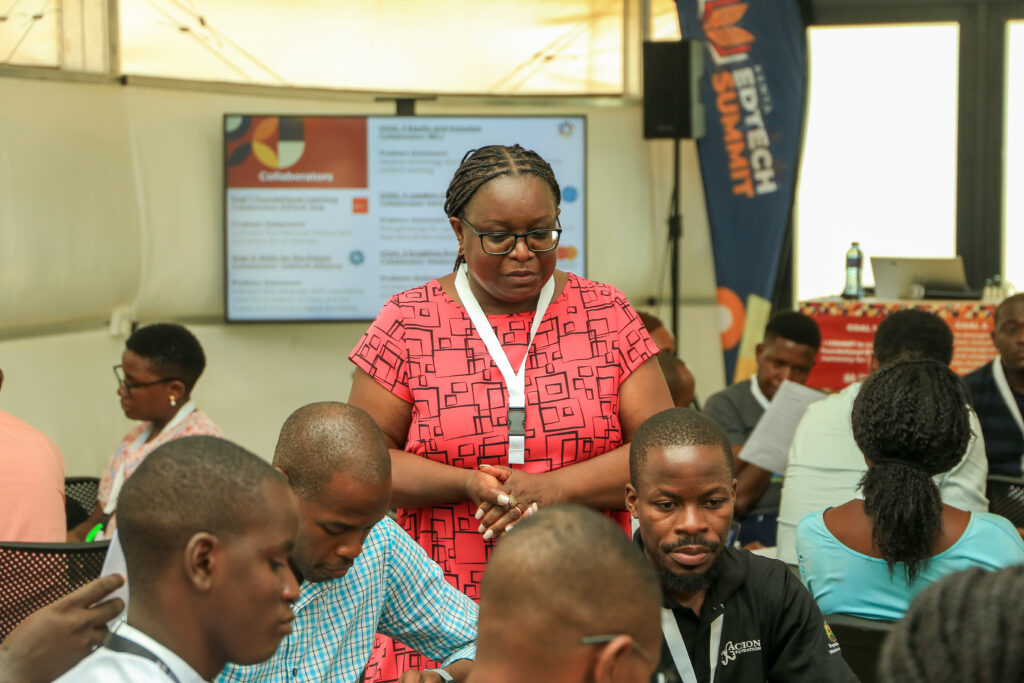
    EdTech East Africa Collective Action Lead Joan Mwachi said that evidence is key, and they cannot talk about what works if they don’t talk about what works. This is because with technology, it is easy to talk about it, but those who are not in technology need evidence to believe that it works.

    “We are in the process of making adaptive change consumable; we are in the era of making AI; we are now talking about intersections in education and AI: AI for learning and AI for teaching. 

    How are we adapting to these things? How are we preparing our teachers, what are our policies saying, and how do we use the platform of foundational learning to address skills for the future? It is all connected in one way or another, and each one of us has a role to play in that space,” said Joan Mwachi.

    The key areas include a common agenda where they want to use technology to close the gap and shared measurement systems, and this entails mutually reinforcing activities. She said that if the EdTech community works together collectively, they will make a change that will work.
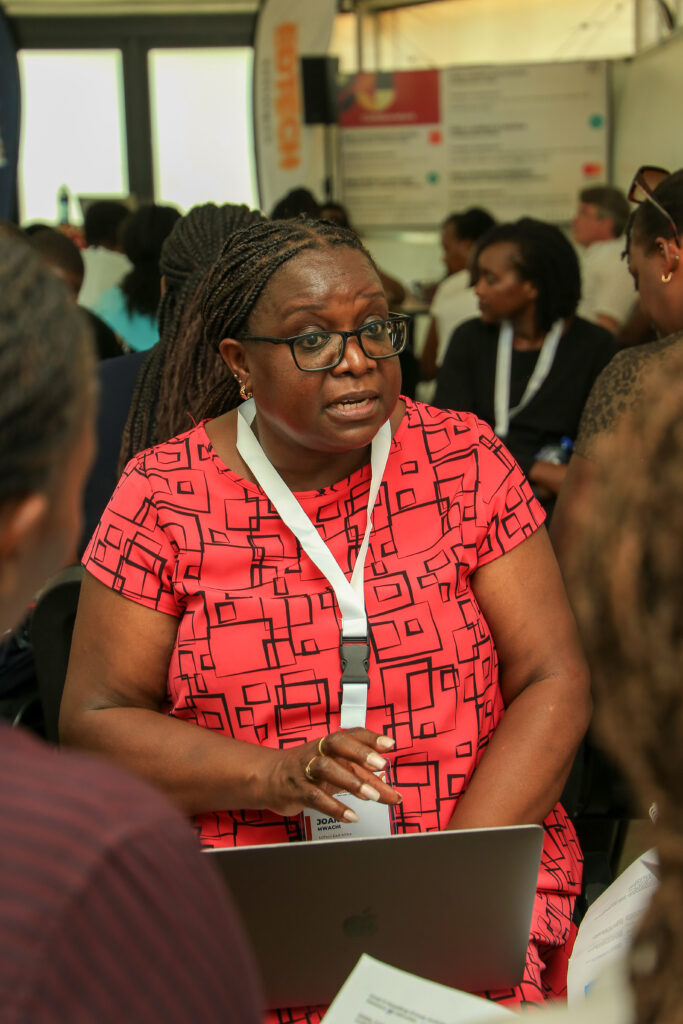
    Another key to the collaborative effort is continuous communication. Joan said that the community platform is what EdTech has for people. On the backbone support, she noted that their role as an organization is to try and bring everyone together and coordinate the efforts of the community. 

    “Edtech is a catalyst; the members sit on the table of reforms because they work in one voice. What we are doing is embedded in the Ministry of Education’s vision to support teachers to have the required skills. We have partners who are working to ensure that we have co-facilitators in all areas, identifying skills that are needed in the future, and who are working towards producing technology that ensures equity and inclusion,” Joan Mwachi noted.

    Call to Action

    To strengthen the use of technology in schools beyond the connectivity infrastructures that can be used, the government and key stakeholders were also called upon to ensure that teachers are given access to the devices, especially by the school heads and the Ministry of Education.

    Stakeholders were called upon to also ensure that young people are involved in this technology implementation in schools because they are more likely to embrace and adapt technology than the teachers.

    The government was also urged to come up with evidence-driven policies that will make technology yield in schools.

    “It is very important to start working with teachers and not for teachers; let them contribute to the making and validation of solutions.” William is an EdTech community member.

    The representative of the Presidential Working Party on Education Reforms, Dr. Robert Juma Wamalwa, said that the Ministry of Education has support from the Ministry of ICT in the implementation of technology in schools because it cannot make it on its own.

    “The Ministry of Education on its own cannot make it; it needs an extra hand and support in achieving the goals towards introducing technology to learners, and that is why EdTech East Africa plays a very crucial role in this to leverage technology at all levels of education by defaulting on ICT infrastructure for curriculum delivery and assessment to improve digital literacy among teachers, parents, and other key stakeholders,” Robert Wamalwa noted.

    He said that the Presidential Working Party on Education Reforms recommended that the Ministry of Education enhance and accelerate education programs for marginalized learners and learners with special needs while upscaling inclusivity, an area in which he said EdTech will have to play a crucial role.

    We also recommended the framework for operationalizing the National Open University of Kenya. This alone presents a transformative opportunity for technology to play a central role in shaping the future of education. These are the areas which he said EdTech needs to swim in.

    He called upon collaboration between the government, education institutions, and the private sector as an essential player in the success of these reforms.

    He noted that he is very close to the EdTech community because they are the team that can help the government achieve or fulfill the recommendations they have on the table both nationally, regionally, and even globally.

    “If we talk of the African Union, that is where every country within the region must come. We need serious stakeholders and partners like the EdTech community and other opportunities because we have increased access to learning, inclusive quality education, relevance in learning and teaching, and parent and teacher professional development.

    Online courses are something that EdTech East Africa can do because, within the EdTech community, we have a team of innovators who have a lot of energy to implement this.

    EdTech East Africa has a plan to hold their summits in all 47 counties to create awareness of the importance of technology in schools. The next summit will be held in North and Northern Eastern, Central, and then come back to Nairobi for the 2024 national summit.

    About the AuthorMs. Aura is a communication consultant, a storyteller, and a writer. She is a journalist working with Radio Africa Group, where she writes for The Star Newspaper.

  • EdTech CA Goal 5: Develop Sustainable Digital Infrastructure and Evidence-Driven Policy to Support Resilient Learning

    EdTech CA Goal 5: Develop Sustainable Digital Infrastructure and Evidence-Driven Policy to Support Resilient Learning

    By Maryanna Kemei

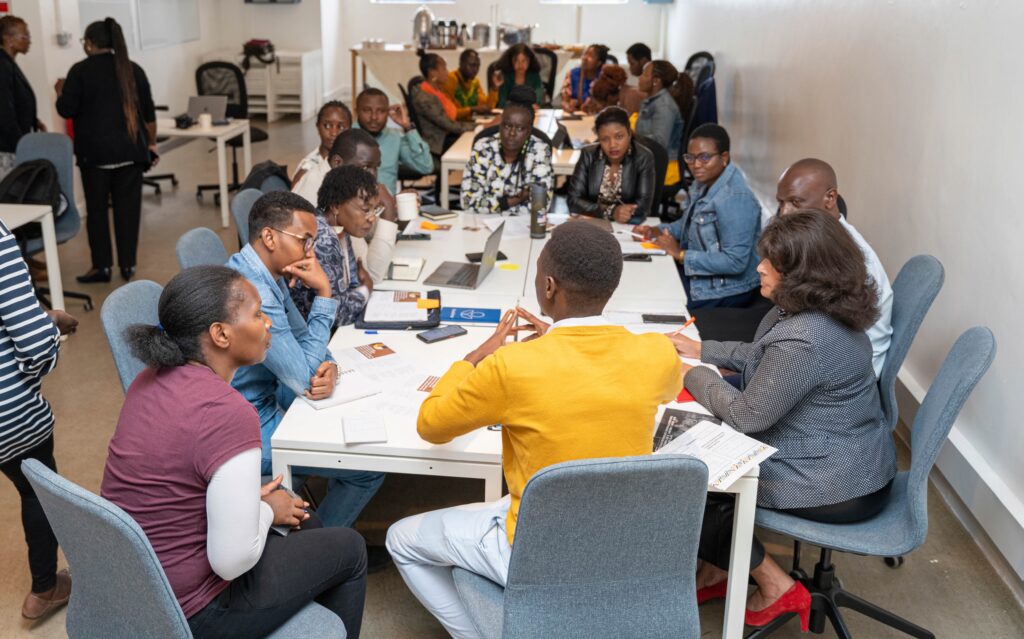
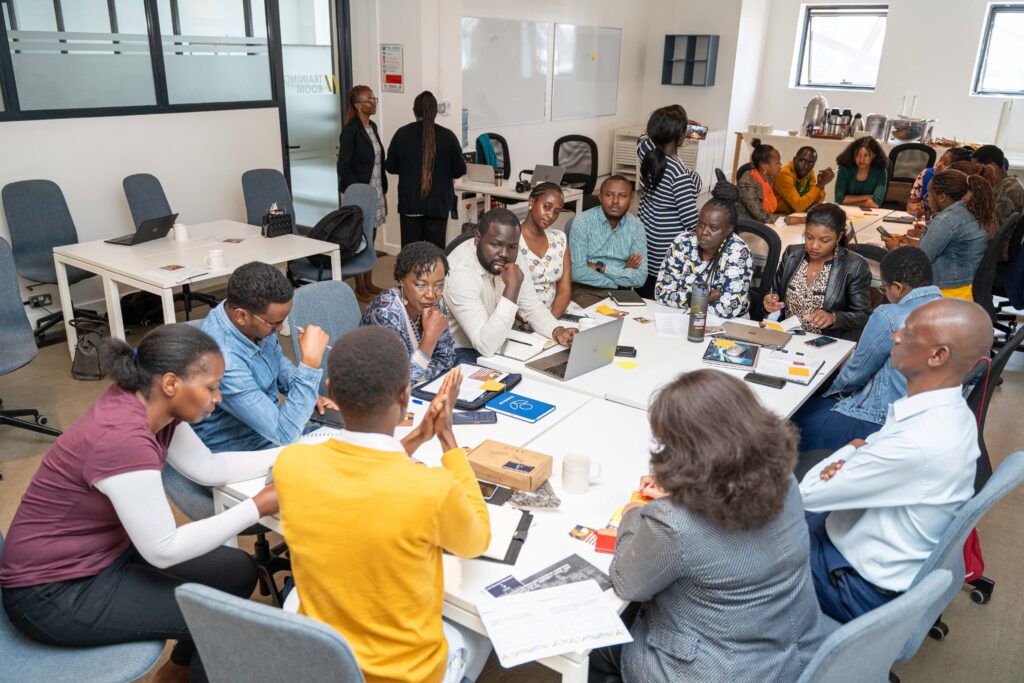
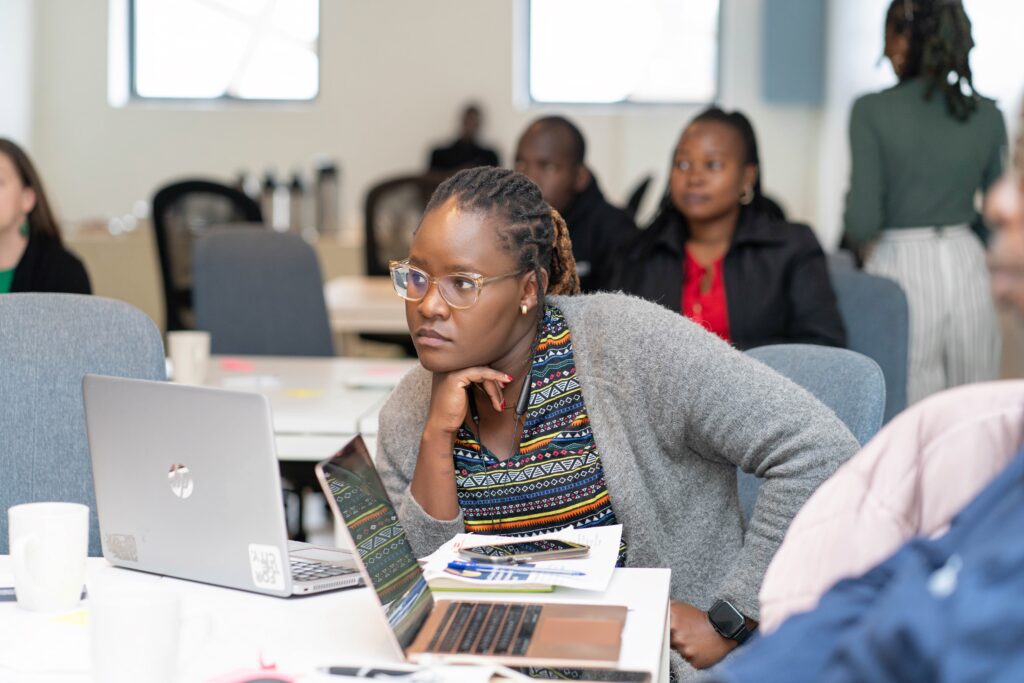
    Having gone through the first four EdTech Collective Action Fridays workshops, it was time for the team to meet for the final Goal, centered on developing Sustainable Digital Infrastructure and Evidence-Driven Policy to Support Resilient Learning. It was a meeting that brought together experts from various fields to explore how Policy and Infrastructure are affecting adaptable resilient learning solutions. 

    This workshop therefore was important as we got to identify the enablers and barriers to achieving this target but first, we got an opportunity to know how we got here through Jennifer Otieno, (EdTech East Africa Founder and CEO) who took us through the inception of the workshops. Apart from the key shapers which can be looked at as the past, the present, and the future, this conversation was represented at the Kenya Tech Summit 2022, and the Collective Action Fridays workshops, it will also be had at the Kenya EdTech Summit 2023.

    Taking us down the tech road in Africa, she focused mainly on how it has been applied in teaching. Kenya, in particular, traces its journey to the late 90s when according to the Presidential Working Party for Education Reforms, teachers began receiving training in ICT integration in teaching and learning, and schools began to receive basic ICT infrastructure, including projectors and laptops for teachers. It was however in June 2006 that the first National ICT Strategy for Education and Training was introduced by the Ministry of Education, In partnership with the state, non-governmental and civil society groups then began to implement activities to foster digital learning in Kenya, key among them being to improve digital infrastructure.

    The journey to digitize learning in Kenya did not pick up faster as it wasn’t until 2013 that the government started the first large-scale digital teaching and learning initiative named the Digital Literacy Programme (DLP). This was aimed at children in grades 1-3 in public schools. This project according to findings submitted by The Presidential Working Party on Educational Reforms was revamped in early 2016 having failed to attract more interested parties. As the year came to an end, the DLP was scaled to a national level with the intention of integrating ICT into teaching and learning. 

    The Covid-19 pandemic required education systems to adopt new operational approaches having failed to attract more interested parties. As the year came to an end, the DLP was scaled to a national level with the intention of integrating ICT into teaching and learning. It wasn’t until the time when Covid-19 happened that Kenya saw a rise in digitally enabled teaching and learning. According to Brunel University,  the Covid-19 pandemic required education systems to adopt new operational approaches and this further escalated already existing problems of limited internet access, inadequate learning facilities, and a lack of enough trained teachers among other problems. 

    In this article titled Teachers’ Use of ICT in Implementing the Competency-based Curriculum in Kenyan Public Primary Schools, Julius Mureithi and Jin Eun Yoo state that UNICEF estimated that close to 20 million learners spread across the country were out of school because of COVID-19 in Kenya as governments were forced to close schools to minimize the spread of the deadly virus. 

    ENABLERS AND BARRIERS

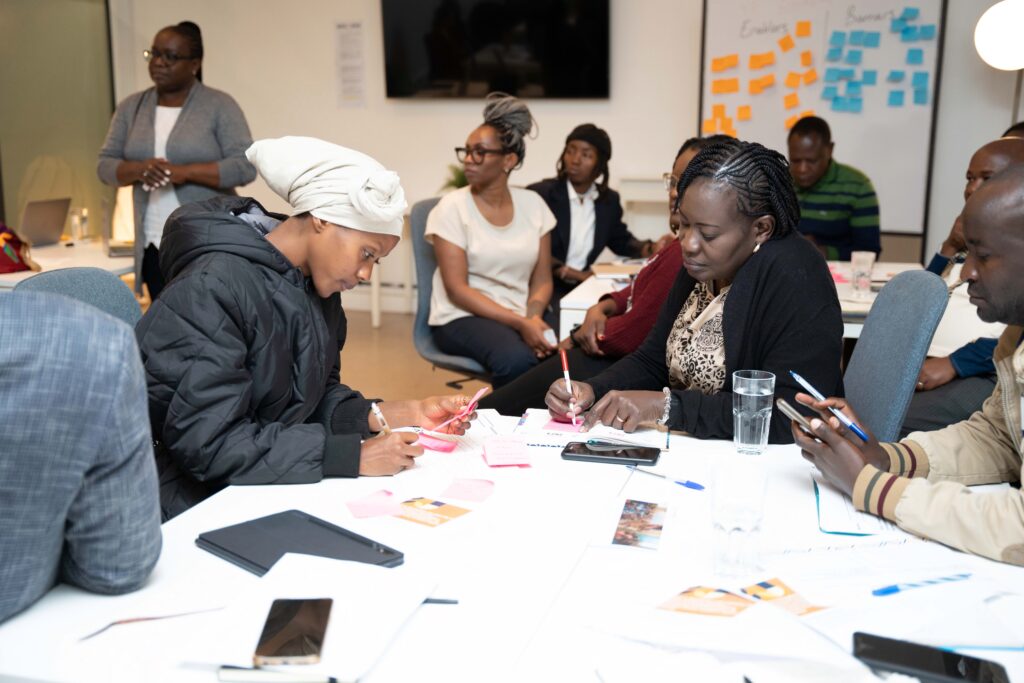
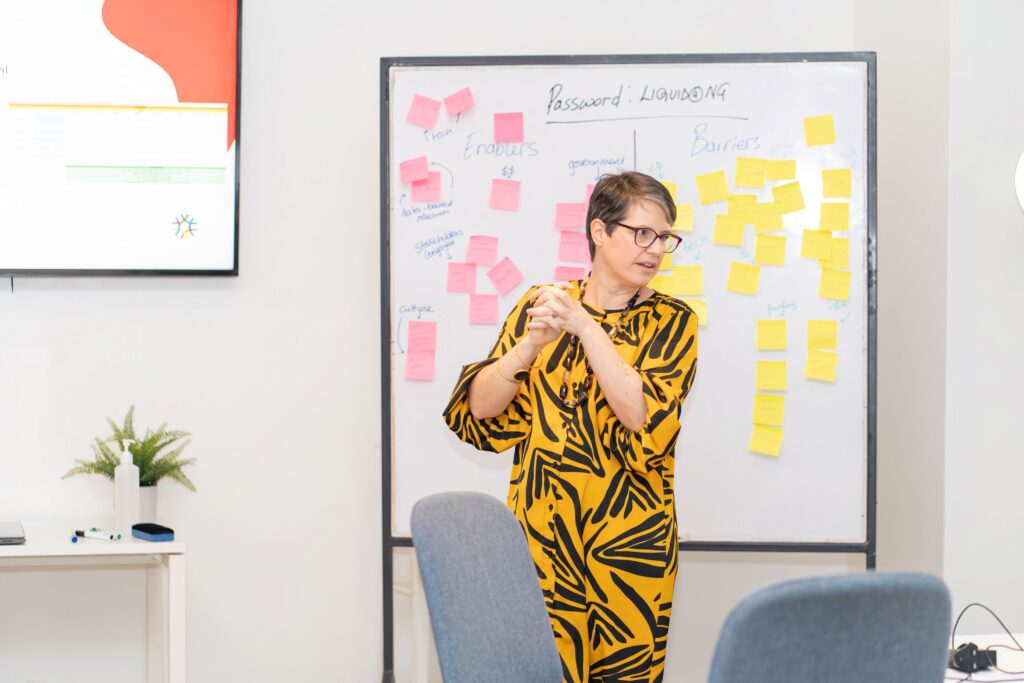
    To help us take a clear look at the two issues presented, Joan Mwachi, EdTech East Africa’s Collective Action Goals facilitator, divided the participants into two groups. One group discussed the enablers and barriers to building a digital infrastructure in Kenya and the other, the enablers and barriers to evidence-driven policy. These two questions made way for robust discussions as different persons went ahead to define the terms used and then made their contributions in the context of education in Kenya. 

    Availability of funds is essential for building and sustaining digital infrastructure as it ensures that students are provided with the necessary tools, resources, and training to thrive in the digital age, ultimately improving the quality of education and preparing students for the future workforce. However, studies have shown that infrastructure and ICT equipment shortages were among the challenges facing the implementation of ICT in primary schools in Kenya. 

    According to a study that was carried out in 2015 targeting 40 primary schools and 450 teachers, it was noted that 94% of the schools did not have ICT equipment, all schools in the study had a shortage of classrooms and only two private schools had functional computer laboratories. The members agreed therefore that there is a need for actors in education to come together and help bolster the digital infrastructure and evidence-driven policy.

    Accessibility and connectivity also came out as playing a crucial role in the growth of digital infrastructure and evidence-driven policy in Kenyan education, as they enable various stakeholders to leverage technology to improve the quality of education and make informed decisions. This is because it allows for connectivity between students and teachers giving them access to online learning materials. Information through digital platforms also enables parents and guardians to stay informed about their children’s education. They can monitor progress, communicate with teachers, and participate in their child’s learning journey more actively. 

    Good government policies that focus on infrastructure development, digital literacy, data privacy, and evidence-driven decision-making help to foster the growth of digital infrastructure and improve the quality of education in the country. Such policies as suggested, should be designed with the goal of ensuring that all students have access to a high-quality education. They should prioritize investments in digital infrastructure, such as reliable internet connectivity, electricity access, and the provision of computing devices (e.g., laptops or tablets) to schools and students. This ensures that students and educators have access to the necessary tools for digital learning. 

    Tied to this is political goodwill that leads to increased allocation of resources for digital infrastructure in education. This includes funding for hardware like computers and tablets, the development of software for educational purposes, and internet connectivity in schools. When policymakers prioritize these investments, it creates an enabling environment for the growth of digital infrastructure. 

    Political leaders can create policies and regulations that support the integration of technology into education. These policies may include incentives for private sector investment in education technology and the development of guidelines for using digital tools effectively in the classroom. A supportive policy environment encourages the adoption of digital infrastructure.

    It was also noted that collaboration is a great enabler as it brings different players both from the government and the private sector to work together through the creation of policies and regulations that support the integration of technology into education, and the provision of digital infrastructure.

    Teacher perception and capacity were also mentioned as both an enabler and barriers in advancing digital infrastructure. Mureithi and Yoo (2021), demonstrated that ICT in education helps create opportunities for learners to develop 21st Century skills but this depends on the digital literacy of teachers (UNESCO, 2012). Studies on the capacity of teachers in primary schools in Kenya show that, despite the policy formulation for ICT in education and financial investment, the integration of technology in Kenyan classrooms remains low. 

    According to them, studies on how perception affects the integration of ICT in education show that what teachers think about the use of technology affects their acceptance and subsequent application in their activities. In a study to assess teachers’ beliefs, attitudes, self-efficacy, computer competency, and age, they found out that younger teachers had a highly positive attitude toward technology. This finding they add, could be attributed to the younger teachers having received technology training in the teacher training colleges. It was therefore agreed that teachers’ attitudes should be addressed so as to get the desired results. 

    The presence of data and consumer awareness was raised as an enabler as information like student performance, attendance, teacher effectiveness, and resource allocation will assist both the government, education institutions, and policymakers to identify areas of improvement, allocate resources more effectively, and tailor educational programs to meet specific needs.

    BARRIERS:

    The disconnect between policymakers and academia was seen as a great barrier to digital infrastructure and evidence-driven policy as it contributes to its inefficacy in different ways. A study by Kenyatta University on E-Learning policy-making processes in Marsabit Distance Learning Centre quotes McGrath saying that policies that have not been informed by good evidence and analysis result in becoming a victim of the ‘Law of unintended consequences’. 

    One of the ways is through misalignment of goals where policymakers may set lofty goals and objectives for digital infrastructure and evidence-driven policies without fully understanding the practical challenges and limitations faced by educators and schools. This misalignment can lead to unrealistic expectations and resource allocation. Policymakers may also formulate policies and initiatives without consulting teachers, administrators, and other education professionals who work directly in schools. Such goals and policies become difficult for teachers to implement.  

    Insufficient training and support of teachers and education practitioners is also another barrier. Formulating policies and initiatives without consulting teachers, administrators, and other education professionals who work directly in schools can result in policies that are out of touch with the realities of the classroom and are difficult to implement.

    Another challenge is that of resource constraints. When an institution is allocated inadequate funding, it inhibits the work to be done and undermines the success of the initiatives. 

    Socio-cultural factors came into play as another hindrance to digital infrastructure and evidence-driven policies in Kenya’s education system. Income and location can determine who has access to the internet and digital devices. This can lead to a digital divide where students from disadvantaged backgrounds are left behind. 

    Cultural attitudes can shape how education is perceived. In some cultures, traditional forms of education are highly valued, and there may be resistance to adopting digital methods. Parents and communities may prioritize traditional teaching methods over digital ones. There are communities that also do not consider it important to educate a girl child therefore girls and young women may face additional barriers in accessing digital infrastructure and pursuing education in STEM fields, further perpetuating gender disparities. 

    Recommendations to the PWPER from the EdTech Taskforce

    A task force of over 20 digital learning organizations representing research, practice, innovation, and funding submitted six recommendations to the presidential Working Party on Education reforms. The task force, represented at this workshop by James Ong’ang’a, from Longhorn Publishing, tabled the following recommendations, three of which made it to the final report. 

    1. Strengthen the foundation for inclusive digital learning
    2. Augment the enabling policy environment for digital learning to occur
    3. Leverage technology to promote inclusion and enhance universal access to education
    4. Use technology to transform the way learning happens and improve learning outcomes
    5. Empower all learners with digital literacy skills to help them thrive in a digital workforce and society
    6. Increase and optimise EdTech financing

    CONCLUSION:

    Developing sustainable digital infrastructure and evidence-driven policy to support resilient learning in Kenya requires different actors to come together. The first is to create accessible digital infrastructure, with widespread internet connectivity and reliable power sources, to ensure that remote learning can thrive across the country. Policymakers should prioritize data collection and analysis to inform educational decisions, using evidence-based insights to tailor learning programs effectively.

    Furthermore, fostering partnerships with technology providers and educational institutions can help create innovative solutions for diverse learning needs. This cannot be done by an individual institution and EdTech creates an avenue where different players come together to discuss how best to achieve this for learners in Kenya.

  • Goal 4: Empowering Those Closest to Learners to Lead Data-Driven Inclusive Learning

    Goal 4: Empowering Those Closest to Learners to Lead Data-Driven Inclusive Learning

    By Aileen Waitaaga Kimuhu

    When I was younger, I never paid much attention to who was teaching me. If I had, I would have realised that everyone was my teacher. Not just my mother, or my subject teachers. But the faceless heads of departments that helped design my curriculums, and the nameless government officials that told them what to put in and what to take out. If I had paid attention, I would have noticed the unique ways each of these people contributed to my education.

    But since I wasn’t paying attention, I never questioned whether it is fair to hold teachers solely responsible for educating our children. I rarely interrogated whether it is appropriate for a nameless individual to design a curriculum they have no hand in implementing. I did not wonder how each of them was prepared to teach me. 

    This is why I participated in the fourth Collective Action Friday workshop, hosted by EdTech East Africa and co-hosted by METIS. The workshop focused on the fourth Collective Action Goal – to fortify the capacity of those closest to learners (educators, pedagogical leaders, and caregivers). It progressed a conversation that began at the Kenya EdTech Summit 2022 where we agreed that capacity building for all educators was something we needed to address. In this workshop, we discussed the barriers and enablers that frustrate and nurture, respectively, collective action in this area.

    Here’s what we found.

    The Beginning

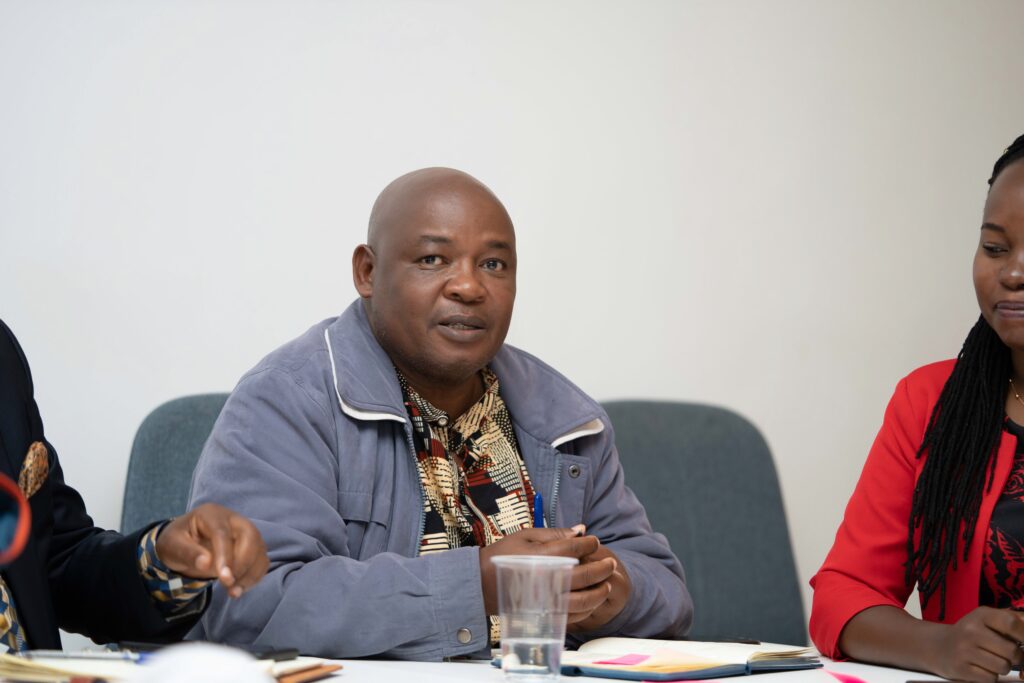
    We began by introducing ourselves and quickly learned that the room was full of decision-makers, policy chasers, and dream enablers. This was important as it allowed us to emphasize the indispensable role of collective action in realizing our shared goals. Thereafter, we broke into three distinct groups – parents, pedagogical leaders, and teachers – and dove into identifying the obstacles and facilitators of capacity building in our respective roles. This segmentation is important because it informs the problem-solving process and helps us design solutions that respond to contexts and needs. 

    For example, the lack of digital literacy skills was cited among all three groups as a barrier. However, parents were more concerned with the gaps in their knowledge about online safety, safeguarding, and digital citizenship. While educators and pedagogical leaders were more concerned with the lack of traditional digital skills (computer literacy, digital literacy, and coding). 

    Once again, government policy was cited as an enabler and a barrier. Where pedagogical leaders found that existing policy enables them to develop contextualised solutions, teachers and parents disagreed. For these two groups, the mere existence of policy did not inherently translate into seamless contextual adaptation, practical implementation, or a nuanced grasp of its implications. This is exemplified notably in the evolving role parents are now expected to play in our Competency-Based Curriculum (CBC). Although CBC champions social justice, equity, and civic leadership, pedagogical leaders did not, as one participant noted, consider how the intricacies of gender-based role divisions within the household would affect its implementation. For example, how can we expect learners to internalise potent lessons on gender equity and equality if the same values aren’t actively practised within the confines of the home? How can we invite men, who are often relegated to the role of occasional “babysitters” of their own children, to participate in their children’s education? How do we unburden mothers when the term “caregiver” connotes the feminine and maternal? 

    Turning to enablers, each group identified shifting perspectives and a willingness to learn as enablers. Therein suggests that the biggest tool in our arsenal is the environment in which we operate. Yet, and perhaps for the first time in our Collective Action Friday Workshop series, we acknowledged that these barriers weren’t seen as roadblocks, but rather as stepping stones. They represented the terrain to traverse, highlighting the undeniable truth that adversity often births innovation. 

    Thus begging the following: What can we do about it? 

    Introducing Metis

    This is where Metis, and the formidable Grace Wairimu, come in. Metis is a for-impact organisation that equips, connects, and amplifies proximate leaders creating contextualised solutions for a world where all learners thrive. They achieve this objective by way of three programmes; (1) A 6-month fellowship; (2) InnovatED and; (3) ReimaginED. With an impressive track record, they’ve impacted an astounding 4 million learners over the past 5 years through their community-driven initiatives. Not to mention, they’ve provided invaluable Home Learning Guides to 135,000 families and mentored 100 teachers in cultivating student-centered classrooms across the country (you can read all about it here, here, and here).

    With an impressive track record, Metis has impacted an astounding 4 million learners over the past 5 years through their community-driven initiatives.

    Grace began her presentation with a series of true/false statements about how we feel about the state of digital learning in Kenya. The final statement was “We have reasons to be hopeful about inclusive digital learning,” and everyone agreed. But when pressed on why, one reason sparked a eureka moment in every single mind in the room. MPESA. 

    While not an EdTech tool, MPESA showed us that we can scale up affordable and accessible solutions. MPESA showed us that people can be adopters if the solutions proposed respond to their local realities and needs. MPESA showed us that we can overcome, seemingly, impossible problems like infrastructure, financing, and government policy environments. Ultimately, MPESA showed us that if we can do it once, we can do it again and again and again. 

    The Path Forward: Charting Actionable Insights

    Once we remembered this cardinal truth, we returned to our enablers and barriers. Returning to our groups, we transitioned into an invigorating dialogue about the necessary information stakeholders need to effectively tackle these shortcomings and amplify the potential of these opportunities. Put simply, what do we need to know? And how do we need to know it?

    As discussions flowed, the consensus emerged that the challenge at hand transcends mere information availability; it’s rooted in the nuanced art of delivery. This realization propelled the conversation towards an imperative question: How can we harness existing communication channels such as SMS, radio broadcasts, podcasts, YouTube, and others, to effectively disseminate information concerning online safety, digital literacy, and the cutting-edge horizons of educational technology? The groups grappled with the task of crafting solutions that are not only accessible but also deeply relevant to the diverse stakeholders within the educational ecosystem. The emphasis was on addressing the ‘how’ – how can these channels become conduits for knowledge that empower educators to confidently navigate the digital landscape, ensuring that no one is left behind on the journey towards educational innovation?

    And, more importantly, how will we know we were successful? We’ll leave this question for you to ponder for the Kenya EdTech Summit ‘23, where we’ll continue to have forward-looking conversations.

    Conclusion

    Ultimately, the fourth Collective Action Friday workshop left an indelible mark on every participant. It was a reminder that education isn’t confined to the walls of a classroom; it is a dynamic interplay of diverse roles working in harmony to uplift learners. Furthermore, the workshop reaffirmed the necessity of collaboration between those who design education, and those tasked with implementing it in all its forms. 

  • EdTech Collective Action Goal 3: Inclusive, accessible, and responsive to learners’ needs.

    EdTech Collective Action Goal 3: Inclusive, accessible, and responsive to learners’ needs.

    By Aileen Waitaaga Kimuhu

    Throughout our conversations, a profound question lingers in the quiet corners of our minds: How do we make learning great? 

    Is it the curriculum alone, meticulously designed and thoughtfully sequenced, that cultivates greatness? Or perhaps the magic lies in the educators, the torchbearers of wisdom who kindle the flames of curiosity through exceptional EdTech tools? It may be that “great learning” is not an output expected of our educators, but an outcome of engaged and motivated learners. 

    Still, for all the things “great learning” could be, what we do know is that learning is made great when everyone can and does participate. And right now, our learning is not great. 

    Despite the existence of policies designed to improve equality of access and opportunity, equitable access is still a dream. Where equality means treating everyone the same, “equity means recognizing that we do not all start from the same place and must acknowledge and make adjustments to imbalances.” It is the difference between giving everyone a seat at the table and acknowledging that some seats might be shorter than others or that the table itself is not accessible to everyone. As such, related to equity is the question of accessibility. If something is accessible, then it can be used, understood, and shared by everyone. Unfortunately, and to reiterate, education in Kenya is neither equal, equitable, nor accessible. 

    Unequal, Inequitable, Inaccessible.

    Despite policies like free primary and secondary education, increased capitation grants, and the accommodation of special needs learners, education continues to be a privilege. You are more likely to receive an education if you are able-bodied and economically privileged. You are more likely to receive an education if you are male and live in an urban area. And you are more likely to receive an education if you live in a male-headed household. This is before we factor in the content of our curricula, which is often inaccessible, reflects colonial mindsets, and fails to account for the diversity of human experience. This is before we remember that our attempts to make our education more inclusive are often met with heavy resistance from stakeholders for practical and dogmatic reasons. And this is before we, critically for our purposes, consider the digital divide. As noted by the International Labour Organisation:

    “​​Even as digitalisation generates opportunities to increase accessibility to education in Kenya, the digital divide has continued to grow larger for groups that have benefited least from the infrastructural development of information and communication technologies”

    Thus, edTech, rather paradoxically, risks leaving people behind or, perhaps worse still, pushing those who were already behind, even further back. A great example of this is the state of digital education, as it applies to special needs learners in Kenya. Despite recognising the potential of, and the necessity for, digital education for special needs learners, very few to no resources have been availed to make this type of learning a practical reality. This was confirmed by a 2022 study on the implementation of Kenya’s Digital Literacy Programme in Special Needs Schools. This is before we get into the technology itself, which may be poorly designed, quickly assembled, and fail to reflect local contexts.

    Therefore, as we work to improve the acquisition of foundational literacy and numeracy and ensure that our youth have the skills they need for the future, we must ask how the rising edTech tide can be used to lift all learners.


    The Workshop

    This was the question the third Collective Action Friday workshop addressed. Together with RELI (The Regional Education Learning Initiative in East Africa), we explored how we could develop educational technology that is inclusive, accessible, and responsive to the different needs of learners. And, as with the workshops that came before, we focused on establishing a shared understanding of the problem. As a result, this workshop doubled as a discussion of the elephant in the room: the limits of educational technology. 

    Unveiling the Barriers

    As discussions unfolded, we candidly addressed the barriers that continue to hinder the realization of inclusive education through EdTech. Infrastructure inequalities, varying digital literacy levels, and economic disparities were identified as significant roadblocks. As were, inadequate funding and cultural norms. In fact, and on the point of funding, edTech in Africa is severely underfunded. According to Disrupt Africa’s 2022 African Tech Startups Funding Report, edTech startups received a mere $24.6 million in funding. Compare this to the $1.5 billion received by fintech, the $220 million for transport-based startups, or the $556.7 million for eCommerce. And on the point of cultural norms, a 2021 Working Paper on “Understanding Barriers to Girls’ Access and Use of EdTech in Kenya During Covid-19” affirmed the impact of gendered roles on the accessibility of edTech solutions. They found that “Girls may be discouraged from accessing or using computers due to social and cultural norms, and are instead expected to contribute more heavily than boys to household chores, care for family members, and family income.” Thus, EdTech solutions that fail to account for the nuances in achieving learning outcomes will merely exacerbate these barriers, rather than resolve them.

    Ultimately, we soberly acknowledged that technology, while a potent catalyst, is not a panacea, and highlighted the necessity of multi-faceted solutions that encompass policy changes, teacher training, and community engagement.

    The Enablers of Change

    Amidst the contemplation of challenges, the workshop illuminated the enablers that hold the potential to spark transformative change. Collaborative partnerships, where edTech companies, educational institutions, and governments unite forces, emerged as a crucial strategy. Additionally, the role of localized content creation and context-sensitive design was emphasized as a means to ensure that technology resonates with diverse learners. The workshop championed the notion that customization when wielded effectively, can amplify the impact of EdTech interventions. Another enabler was an equity framework presented by RELI’s Deborah Kimathi. Dubbed the EQUIP Framework, it called upon edTech pioneers, innovators, and designers to do four things to centralise equity in the design and use process. These are; (1) needs assessment and asset mapping to gauge the needs of your consumers; (2) application through an interactive tool that allows real-time feedback; (3) recommend minimum requirements that account for community needs; finally (4) explore mitigating strategies. 

    We then dissected and debated this framework; engaging in thought-provoking discussions that revealed the intricate nuances of what equity truly entails. While the conversation was marked by a diversity of viewpoints, a shared commitment to unraveling the complexities of equity bound participants together in a shared endeavour.

    Conclusion

    However, where, in previous workshops, we left with more answers than questions, in this workshop we left with more questions than answers. And that’s a great thing! Questions often tell you more than answers. The right questions will tell you where the gaps are in your knowledge and thinking. They will expose what you don’t know, you don’t know. Above all, the right questions will foster discussion and collaboration. So as we prepare for the Kenya EdTech Summit 2023, here are some questions to ponder:

    1. How do we balance scale and contextualisation (the local relevance and use)? 
    2. Given that terms like “equitable”, “accessible”, and “underresourced” have specific connotations that refer to specific communities, how do you convince funders that you mean everyone? Not just a few?
    3. How do we design EdTech for everyone? Is it even possible?
    4. Where are the fracture points in the process of extending equity, inclusivity, and accessibility to education?
    5. Above all, how do we make learning great? And what does this mean?

    See you at the EdTech Summit!

  • Collective Action Fridays workshops; Goal 1: Cultivating Foundational Literacy and Numeracy for All Learners

    Collective Action Fridays workshops; Goal 1: Cultivating Foundational Literacy and Numeracy for All Learners

    By: Aileen Waitaaga Kimuhu

    As I sat, surrounded by digital activists, learning design experts, business analysts, researchers, and civil engineers in the first Collective Action Friday Workshop, I couldn’t help but think of the parable of the Blind Men and the Elephant. 

    I’m sure you may have heard the story, but if you don’t, here’s a brief summary.

    Long ago, six blind men were invited to examine an elephant. When they encountered the gentle giant, the men encircled the elephant and focused on the parts that were accessible to them. As a result, each man came to a different conclusion as to the creature before them. The guesses ranged from a wall and rope to a deadly spear or sinister snake. As they bickered, with each man insisting that they were right and everyone else was wrong, a wise man watched in reflective silence before asking “How can each of you be so certain you are right?” He reminded them that the elephant is a large creature and that each of them had only touched one part. As he walked away, leaving them to their squabbles, he advised “Perhaps if you put the parts together, you will see the truth.”

    This was the mission of the first Collective Action Fridays workshop on foundational literacy and numeracy, which took place on 14th July 2023 organized by EdTech East Africa in partnership with the EdTech Hub –– to combine the threads we each hold to create a nuanced, comprehensive and inclusive tapestry. Given the challenges of enabling foundational literacy and numeracy in our education systems, understanding the many ways illiteracy and innumeracy manifest is key. 

    No alt text provided for this image

    Jennifer Otieno (EdTech East Africa Founder and CEO) remarked that the goal of these workshop series was to continue a conversation started in 2022 at the inaugural Kenya EdTech Summit. As such the workshop aimed to foster a deeper understanding of the problem, explore the nuances between foundational literacy and learning, and identify the barriers and enablers of effective instruction. The sessions were led by Joan Mwachi (World Reader, Board Member) and Ciku Mbugua (EdTech Hub, Innovation and Country Lead). 

    Foundational Literacy and Numeracy? or Foundational Learning?

    The workshop commenced with a thought-provoking discussion on the distinction between foundational literacy and learning. Foundational Literacy and Numeracy (FLN) skills are, broadly speaking, the ability to read and comprehend basic texts, understand numerical concepts (like numbers), and solve simple mathematical problems such as addition and subtraction. In Kenya, 3 out of 5 Grade 4 learners cannot read an appropriate Grade 3 text. While only 50% of Grade 4 learners can solve an appropriate Grade 3 Math problem. 

    Conversely, foundational learning is broader; referring to the technical and soft (i.e. socio-emotional learning) skills students need to acquire to entrench the building blocks for a life of learning. While both are crucial, there is no guarantee that the technical ability to read, write and comprehend basic sums imparts the ability to navigate the relationships that mediate and define our world. As some of us noted, these socio-emotional/cultural awareness skills “don’t just happen.” They must be cultivated. Especially, within the context of a rapidly evolving society. Socioemotional skills bless us with the capacity to navigate a human, not merely a technical, world; imparting the ability to build bridges, regulate one’s self, and make and evaluate and make ethical decisions.

    Thus, we (participants) engaged in a stimulating discussion about what to focus on. Given the opportunity costs involved, this discussion is necessary as it will help us determine which competencies to prioritise and what targets to realise and how. In the end, we kept our focus on foundational literacy and numeracy skills; recognising that without the ability to read and write, individuals are excluded from the environments in which their socio-emotional skills are performed. 

    Emerging Themes

    With a shared understanding of the significance of foundational literacy and numeracy, we turned our attention to identifying the barriers and enablers of effective instruction. Several key challenges emerged during the discussions, including the lack of infrastructure, socio-economic and geographical limitations, decontextualized teacher training and professional development, technophobia, poorly designed technology, and policy implementation. To counter these barriers, the workshop participants also identified various enablers that can facilitate effective instruction. Rather interestingly, parallels could be drawn between enablers and barriers. 

    For example: where policies like the ICT in Education and Training (2021), Digital Literacy Programme (2016), and National ICT Policy (2016) work together to foster interest in and direct focus towards foundational literacy and how technology can be used to that effect, policy guidelines like the implementation of the capitation grant (the per-student allotment that schools receive) constrain the efficacy of those policies. They limit the practical application of well-intentioned policies, thus turning what should be an enabler into a barrier.

    Other dual-purpose factors include infrastructure. While the current state of Kenya’s digital infrastructure enables EdTech in the pursuit of FLN, the gaps in our digital infrastructure disproportionately impact marginalised communities who suffer the most from the lack of FLN. The result is that 5 million primary school students, many of them economically, socially, and politically marginalised, are left behind.

    Alternatively, consider the quality of existing content. Although the Kenya Institute of Curriculum Development creates incredible resources that are accessible and adaptable, many of these resources privilege literacy acquisition in English, rather than the, far more effective, use of mother tongue. As a result, the resources, while useful, do not reflect the reality on the ground. Indeed, it seems that some enablers allow us to make well-intentioned plans that are challenged by the barriers that frustrate realistic and sustainable implementation.

    However, there are plenty of enablers that are, at best, a neutral good. Enablers like our ability to access and participate in global networks that support educators. Or the fact that more parents are expressing an interest in their children’s education beyond their academic performance and prospects. Perhaps the most promising enabler we identified was our youth. Over 80% of our population is below 35 years. This translates to 42 million people who are willing and able to make the transition from analogue to digital. 42 million people are willing to invest in education and digital technologies. 42 million people who are not only willing to try, but also keep trying until we get it right. The latter is particularly important because the change we seek is neither the result of bold action nor ingenuity but of consistency and persistence. 

    Conclusion

    Ultimately, this first Collective Action Fridays workshop proved to be a crucial platform for reflection, dialogue, and collaboration in addressing the challenges of foundational literacy and numeracy in our education system. By examining the nuances between foundational literacy and learning, participants recognized the need for a balanced approach that empowers individuals with both essential skills and the ability to adapt to our rapidly changing world. 

    Moreover, the identification of barriers and enablers sheds light on the multifaceted nature of the issue. By leveraging technology, fostering collaborative partnerships, involving communities, and embracing innovative teaching approaches, we can create a transformative impact on foundational literacy instruction.

    The workshop served as a reminder that foundational literacy and numeracy are not standalone goals but rather the bedrock upon which a lifetime of learning is built. It is through collective action and an unwavering commitment to addressing these challenges that we can equip future generations with the necessary skills to thrive in a world driven by knowledge and innovation.

    In this vein, EdTech East Africa launched a platform that brings together educators, policymakers, storytellers, curriculum designers and activists (basically anyone who is invested in and dedicated to realising the Collective Action Agenda), to the table. The platform allows us to support each other, challenge each other, and share new ideas and techniques to better our work in the EdTech ecosystem. Thus, truly embracing the lesson of the Parable of the Elephant and the Blind Men; that only by combining our perspectives and intuitions, can we move towards a complete understanding of the problems before us. Only then, can we begin collectively solving the problems at hand. 

  • EdTech Collective Action Goal 2: Skills for the Future

    EdTech Collective Action Goal 2: Skills for the Future

    I am young. Not young in the “youth is a state of mind” young, but young as a biological fact. Yet, my youth did not spare me from the realities of a rapidly changing world. In the last three years alone, we have seen the rise of artificial intelligence, blockchain technologies, and rapid technological integration. Economic crises have not only challenged what it means to be a worker, they have challenged the fundamental purpose of employment, shifted the types of work available, and changed what it means to be a valuable worker. Meanwhile, our increasingly divided communities threaten our already tenuous grasp on stability and security. And, to be honest, this is not what I, or my peers, signed up for.

    As a result of the aforementioned disruption, nearly 50% of Kenya’s unemployed are youth (approx 1.54 million people). Macroscopically, McKinsey estimated that over half of the job activities that currently exist today are projected to no longer be needed in 2055. But if the jobs of the future do not exist today, how can we prepare our youth for them? If the problems of the future are in their infancy today, how can we prepare our youth to address and acknowledge them? Essentially, how do we keep our youth wired to the future, if the future is constantly in flux? 

    These were the questions we attempted to answer at the second Collective Action Fridays Workshop on 4 August 2023. This workshop was co-hosted by Jobtech Alliance, whose research helped ground our insights and point to areas of further exploration. Like with the first Collective Action Friday on Foundational Literacy and Numeracy (14 July 2023), we gathered to, as Jennifer Otieno (EdTech East Africa Founder and CEO) mentioned, continue the dialogue we began in 2022. At the Kenya EdTech Summit 2022, we identified youth employability and skill development as one of our five areas of interest. To further the discussions at the next Kenya EdTech Summit 2023, this workshop focused on confirming a common understanding of the problem before us. 

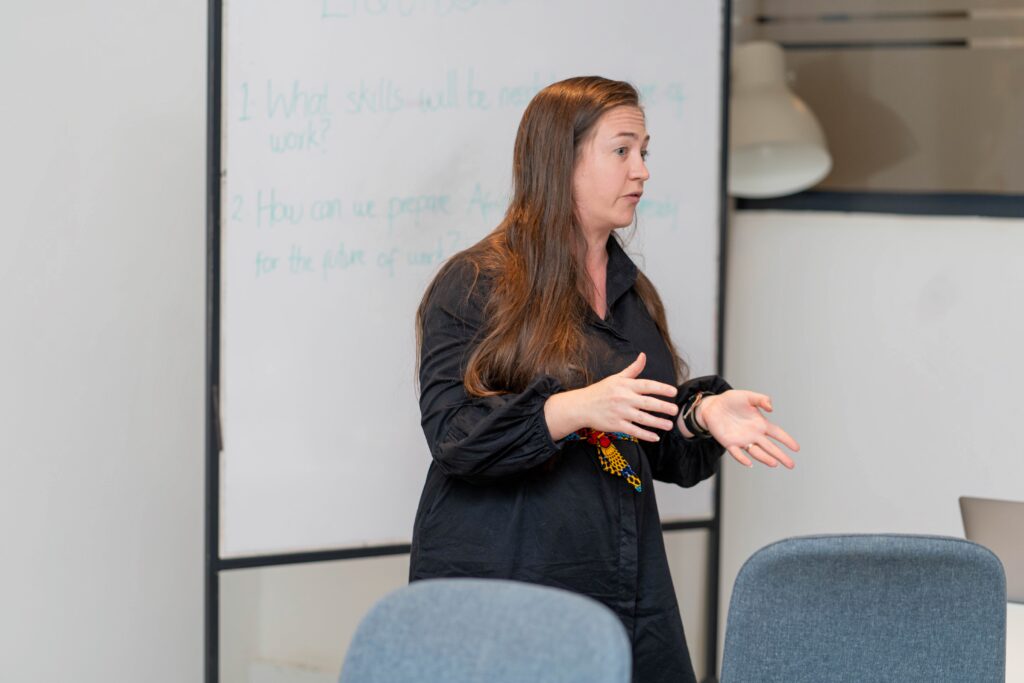
    As such, we began with a very simple question, what skills will be needed for the future of work?

    Identifying the Skills for Future Success

    First, we agreed that neither traditional academic knowledge nor technical skills are sufficient for the future. To adapt and flourish in the future job landscape, our youth must possess a diverse skill set that includes not only technical expertise (like coding, prompt engineering, and data management) but also crucial soft skills. Skills such as critical thinking, problem-solving, creativity, adaptability, and emotional intelligence emerged as the foundation for success. The last of these is particularly key. 

    The University of Queensland defines emotional intelligence as the “ability to maneuver and interact with your own emotions as well as those of other people.” This includes the ability to; “(1) perceive and identify emotions. (2) think and reason using emotions; (3) understand emotions and how they change and; (4) regulate your emotions and manage the emotions of others.” This goes beyond managing the impact of, so-called, “negative” emotions like anger, frustration, stress, or managing conflict. It includes cultivating “positive” emotions like empathy, inspiration, and joy. Given that many of us will work because we have to (as a matter of economic survival), and not because we want to, the ability to cultivate joy in our work lives is paramount. Not only as a matter of productivity, or a question of worker resilience but as an issue of fundamental health. 

    As a result, these emotional intelligence, specifically, and socio-emotional skills, in general, are increasingly relevant. Especially, as we relegate more and more technical, ethical, and moral decisions to algorithms that are not only beyond our comprehension; but also reflect and exacerbate the biases that haunt our world. Thus, success in the workplace is and will be, not only defined by your ability to manage and capitalise on technological change but also by the human beings that drive and are affected by it. This is why, according to Capgemini, 76% of executives agree that AI and automation will increase the demand for emotional intelligence skills. And our workshop participants agreed. Every group mentioned the need for socioemotional skill development as a prerequisite for workforce participation and empowering our youth to solve the problems of the future. 

    Tailoring Skills for African Youth

    The discussion then pivoted to the unique challenges faced by African youth and the specific skills required to succeed in the future of work within the continent. By 2055, Africans (in particular African youth), will be a quarter of the world’s workforce. Many entering fields we could not imagine. Some may dominate familiar industries that have been fundamentally changed, like agriculture or health. While others may not even work in Africa, and extend their talents to others. Therefore, we first need to understand what Africa’s future will look like; beyond purple-prose policies and impotent ideas. 

    We agreed that given the rise of remote work opportunities, and the push for governments to export African labour, our youth will need to learn cultural competencies and how to navigate cultural differences in the workplace (a fact echoed by the Mastercard Foundation). We also agreed that resilience will need to be imparted to our youth. Resilience in the face of climate change and the misallocation of resources of global resources. 

    We also agreed that, while technical skills like coding, digital literacies, prompt engineering, and data analysis are universally valuable, we also recognised the importance of incorporating local context into educational curricula. This way, our youth are not only prepared to solve problems of global significance in the areas that are most relevant to them, but they are also prepared to adapt global solutions to local contexts. Indeed, localisation is critical when tailoring skills for our youth.

    Identifying Barriers and Enablers

    In the final part of the workshop, we engaged in a candid conversation about the barriers hindering the development of employability skills among the youth and the enablers that can drive positive change.

    We acknowledged that our primary barrier was our failure to adequately train and empower our youth. And that this failure went to the very foundation of their learning. For example, how can we expect our youth to be digitally literate in the future, when we have not sufficiently invested in infrastructure, and capacity building in the present? How can we expect our youth to be critical thinkers if they were not given the opportunity to develop foundational literacies? These barriers – a lack of foundational skills, poor infrastructure, and capacity-building opportunities, unequal resource distribution, and poor support systems – exacerbated the wider systemic problems that leave our youth unprepared and disempowered. All philosophising aside, we acknowledged that to address these barriers, a collaborative effort involving governments, educational institutions, NGOs, and the private sector was essential. We also recognised that, for all our failings, we were headed in the right direction. 

    African nations are leveraging technology to bridge education gaps; promoting vocational training programs, and creating mentorship opportunities. A great example of this is the Government of Kenya’s Ajira Digital platform which provides free access to digital skills training and vacancies for young Kenyans. Another is the JobTech Alliance (our co-hosts). JobTech Alliance is an ecosystem-building initiative that aims to link digital platforms which connect people to work opportunities that build livelihoods for each other in order to catalyse large-scale meaningful employment. The ecosystem allows platforms to share resources and insights on the problem of youth unemployment so that our responses can be targeted and relevant. Enablers like these have the potential to allow the present to become a breeding ground for a generation of resilient, well-equipped, and conscientious youth. 

    However, we must also recognise that the aforementioned enablers only work if the problem is a failure of training but not a failure of the environment. If the barrier is the latter, then investing in training is tantamount to placing a bandaid on a gushing wound. For example, what is the point of training our youth to be entrepreneurs, if the economy is not ready to receive their entrepreneurial outputs? More importantly, how can we invest in training our youth, if there are no jobs for them to pursue? Indeed, the Brookings Institute argues that: “many people in Africa do not so much lack skills or education as the opportunity to apply their knowledge and skills in ways that drive their countries forward economically.” Right now, our economies are not ready to shoulder the burden and privilege of our dynamic and youthful populations. And neither an incubator hub nor a six-month coding course will change this. As a result, we also discussed the need for our economy to change in order to embrace our newly trained workers or for public policy to better manage the export of our workers. 

    Conclusion

    Ultimately, the workshop achieved its objectives of establishing a common agenda. Yet this is not its’ most significant outcome. I would argue that particular distinction lies in the source of these insights; the youth. 

    The workshop was dominated by youth voices, perspectives, and experiences – from the conclusions JobTech Alliance presented, to the conversations we had on our tables. We led the conversation as we agreed on, and defined, the core skills needed for future success, tailoring these skills to the context of African youth. We felt guided as we identified and evaluated the barriers and enablers that keep us trapped in the present. We no longer felt alone and understood how our unique contributions advance our collective agenda. Significantly,  as we spoke, each of us lay claim to the future we sought to create, and found visionaries, advocates, project managers, founders, policymakers, and government officials who were willing to get us there. People who were willing to help us achieve the dreams that powered our first forays into adulthood. People who were willing and able to help us manifest the futures we “signed up for.”

    Let’s keep this conversation going on the EdTech East Africa platform. Implementing the insights gained from the workshop will require sustained effort and collaboration from all stakeholders. 

  • Introducing Kenya’s EdTech Collective Action Fridays: Nurturing Innovation in Education

    Introducing Kenya’s EdTech Collective Action Fridays: Nurturing Innovation in Education

    In an increasingly digital world, the integration of technology in education has become a crucial component in preparing learners for the challenges and opportunities of the future. Recognizing the significance of this transformation, EdTech East Africa is proud to present the inaugural workshop series of Kenya’s EdTech Collective Action Fridays. 

    The EdTech Collective Action Fridays workshops will span five weeks, commencing on July 14th and concluding on August 25th. Each session will be curated around one of the five specific Collective Action goals. Put together, these goals reflect the challenges and opportunities of tech integration in education. Ultimately encouraging, and in some cases provoking, all of us – learners, educators, administrators, parents, government officials, and experts – to action.

    The Collective Action Goals

    Launched in November 2022, the Collective Action Goals identify the challenges that characterise Kenya’s EdTech space. These goals are grounded in the government’s ICT in Education and Training Policy 2021, which aims to promote an inclusive enabling environment for ICT in education by mobilising resources, empowering parents, educators, and administrators, and enhancing curriculum development.

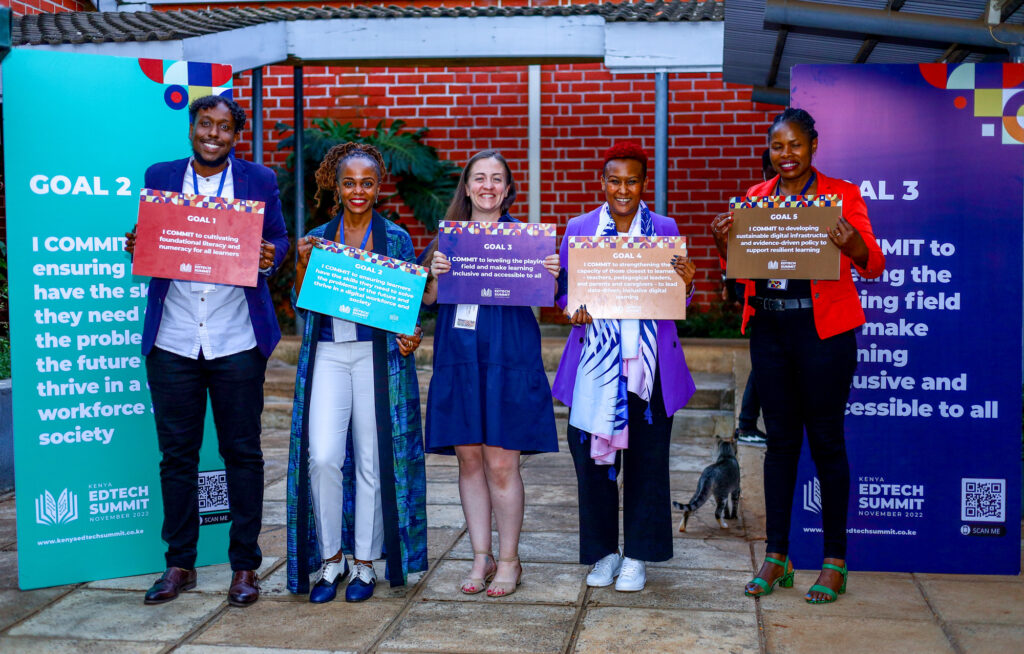
    The Collective Action Agenda synthesises this policy into five actionable goals upon which resources can be mobilised, stakeholders empowered, and curriculums enhanced. Notably, the Agenda embraces and embodies the collaborative spirit emphasised in the 2021 policy; directing our attention to five focus areas. They are: (1) foundational literacy & numeracy; (2) skills for the future; (3) equity and inclusion; (4) capacity building for educators and parents; and (5) digital infrastructure and enabling policy. In so doing, these Goals do more than present a way forward. They affirm the reality that educational technology is only as impactful as its reach. And aim to expand this reach. 

    Overview of the Workshop Series

    Accordingly, each workshop is facilitated by a panel of vibrant moderators and partners who are experts in their respective fields. Our experts will bring a wealth of experience and a deep understanding of the challenges and opportunities that arise when integrating technology into education.

    1. Cultivating Foundational Literacy and Numeracy for All Learners | 14 Jul

    The first workshop will focus on empowering learners with essential literacy and numeracy skills. Participants will explore innovative approaches, digital tools, and resources that can enhance foundational learning for students across Kenya. 

    The workshop will be co-hosted with EdTech Hub, an organisation that conducts rigorous academic research to provide evidence-based advice about how to use technology in education. Presently, EdTech Hub is researching how digital personalised learning can improve foundational literacy and numeracy outcomes. As well as how to improve phone-based learning and the role it can play in curriculum delivery. This is addition to their work with the Kenya Institute for Curriculum Delivery, assisting them in the technological aspects of the Competency Based Curriculum. EdTech Hub also runs a course for EdTech entrepreneurs that helps support the integration of evidence into the design and deployment of edtech tools for improving foundational literacy and numeracy. e

    1. Empowering Learners for the Digital Workforce and Society | 4 Aug

    The second workshop will delve into equipping learners with the necessary skills to thrive in a digital-centric workforce and society. Discussions will centre around emerging technologies, digital literacy, and ways to prepare students to solve the problems of the future.

    This workshop will be co-hosted with Jobtech Alliance, an ecosystem-building organisation that works with digital platforms that connect people to work opportunities that build livelihoods. 

    1. Developing Inclusive and Accessible Technology in Education | 11 Aug

    Inclusivity and accessibility are vital for ensuring that all learners have equal opportunities to excel. The third workshop will explore how technology can be harnessed to cater to diverse learner needs, enabling personalised learning experiences for students with different abilities.

    This workshop will be hosted by the Regional Education Learning Initiative (RELI) is a network of educational institutions, nonprofits, and state-sponsored organisations committed to ensuring accessibility and inclusivity in education across Africa.  

    1. Strengthening the Capacity of Education Leaders | 18 Aug

    The fourth workshop will focus on empowering teachers, pedagogical leaders, parents, and caregivers with the skills and knowledge needed to make data-driven decisions in education. Participants will explore how data analytics and evidence-based practices can inform and enhance teaching and learning outcomes.

    1. Forging Reliable and Sustainable Digital Infrastructure and Policies | 25 Aug

    The final workshop will emphasise the importance of reliable digital infrastructure and evidence-driven policies in supporting resilient learning environments. Participants will discuss strategies for building robust technological infrastructure and explore policies that promote the effective and sustainable integration of technology in education.

    Each workshop will be designed to be interactive and engaging, encouraging active participation from attendees. Participants will have the opportunity to contribute their ideas, share best practices, and collaborate with peers, fostering a sense of collective action and community-driven change. 

    Throughout the workshop series, attendees will work together to construct a comprehensive systems map that showcases the interconnections between various stakeholders, technologies, policies, and challenges in the EdTech ecosystem in Kenya. This visual representation will provide a valuable resource for understanding the complex dynamics of the educational landscape and identifying opportunities for collaboration and innovation.

    Conclusion:

    Kenya’s EdTech Collective Action Fridays present an exciting opportunity for educators, policymakers, entrepreneurs, and other stakeholders in the education sector to come together, share ideas, and collectively shape the future of education in Kenya. By focusing on the five Collective Action goals, these workshops aim to foster a holistic approach to leveraging technology in education, ultimately benefiting learners and paving the way for a more inclusive, innovative, and resilient education system.

    Yet, they are more than a series of workshops designed to bring together a diversity of perspectives dedicated to improving education quality. Indeed, by creating a collaborative space, Collective Action Fridays remind us that no single actor is responsible for addressing the shortcomings in our education system. They remind us that we are not alone in our desire to fully realise educations’ transformative capabilities, and what is required of us is not a series of large leaps, but small, consistent steps toward the dream we all seek. 

    This vision is nothing less than a new social contract for education. One that is cognizant of our relationships with each other, with the planet, and with technology, and aims to nurture and strengthen them. One that is appreciative of the Kenyan context, and reflects our needs, capabilities and limitations. A social contract, that must be implemented. 

    Ultimately, this Collective Action Fridays invites us to do. For that reason alone, it has valuable lessons for each and every one of us.