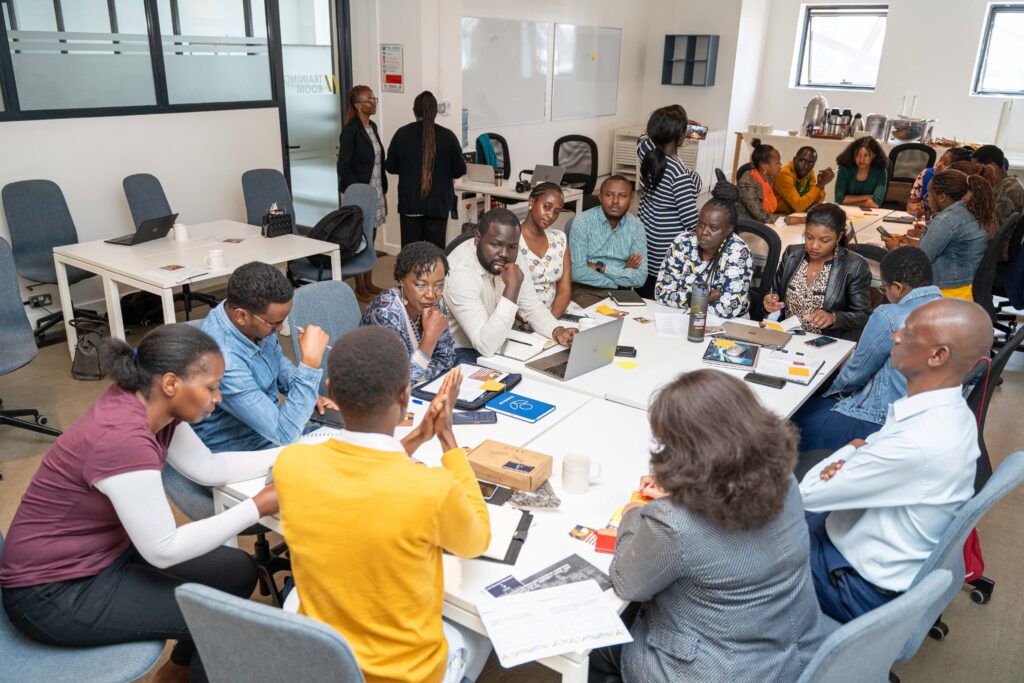
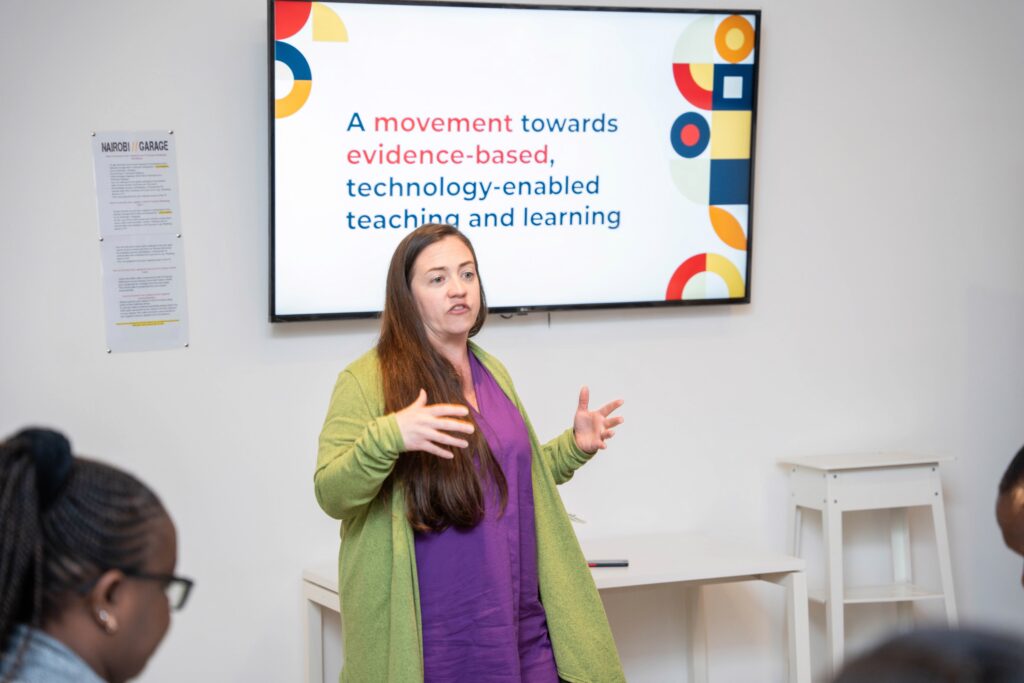
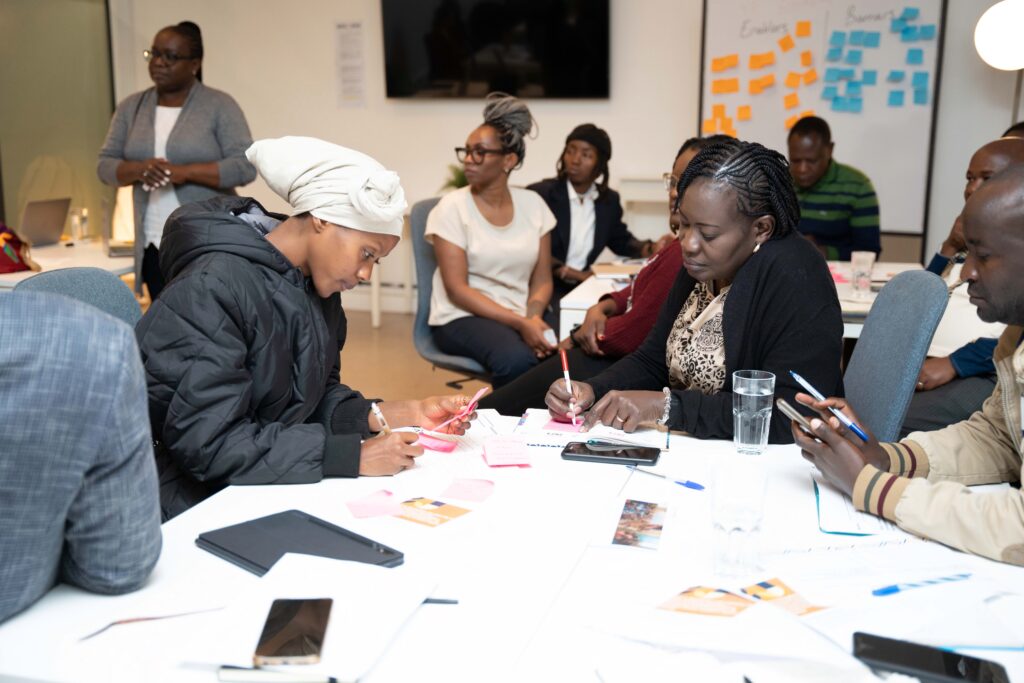
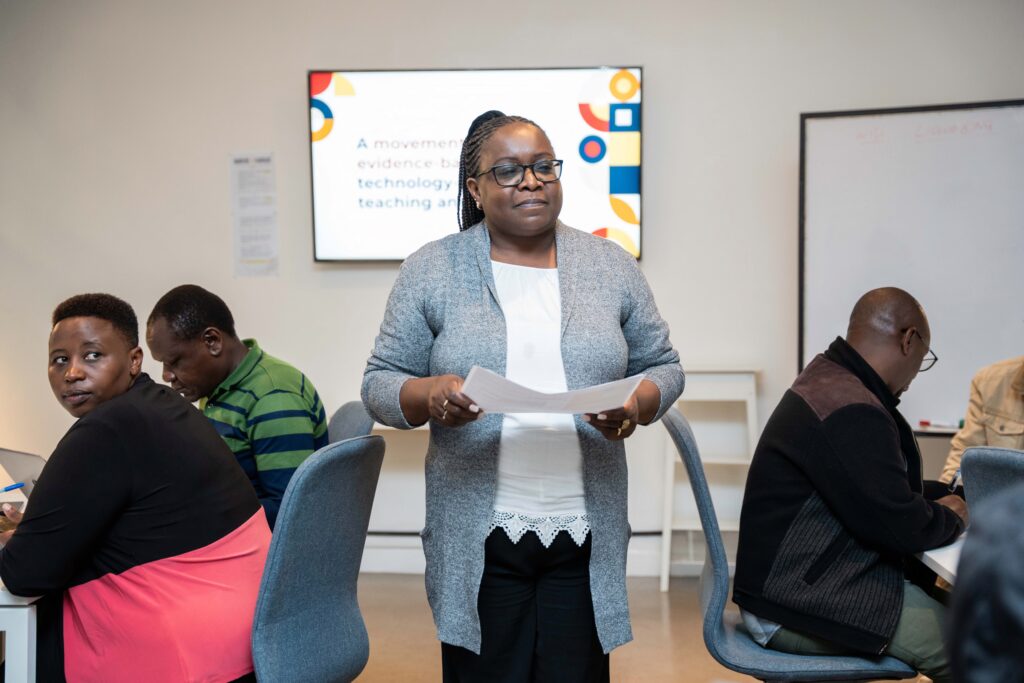
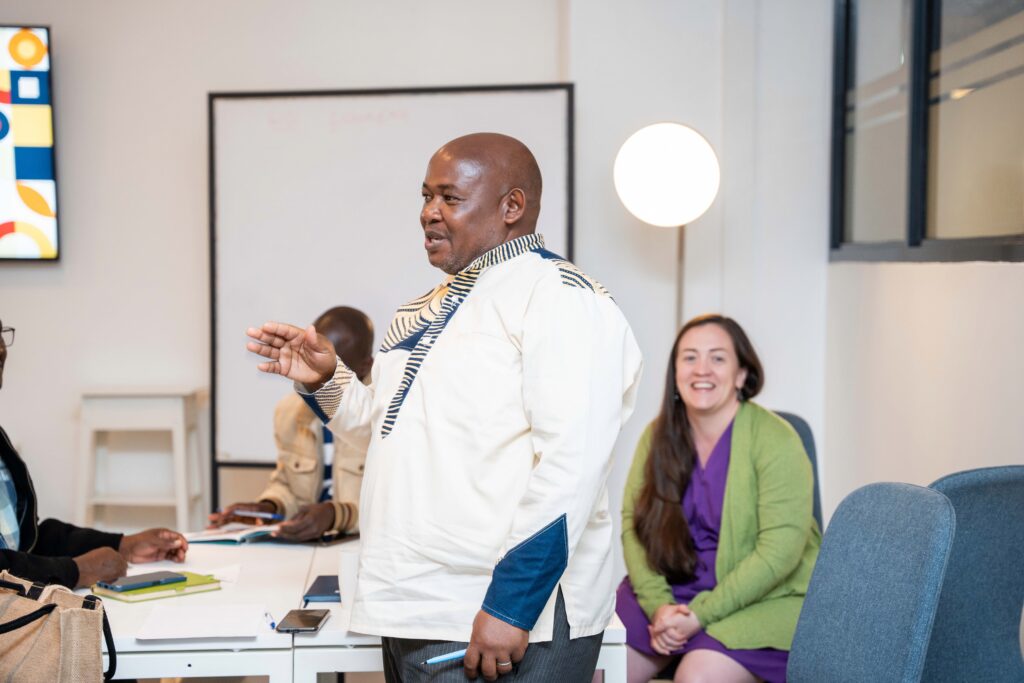
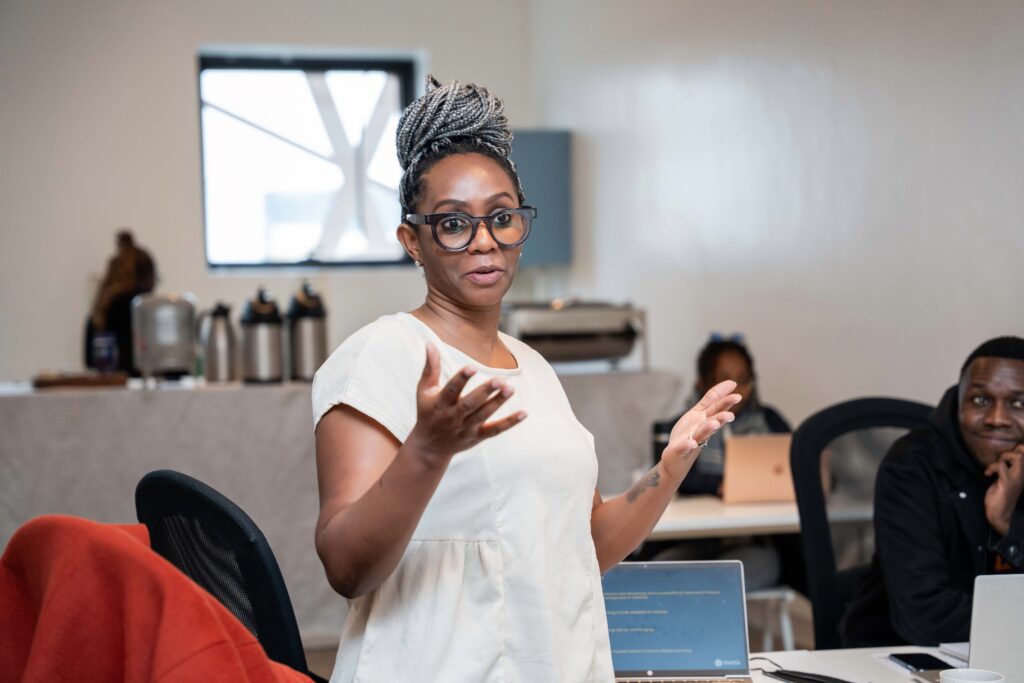
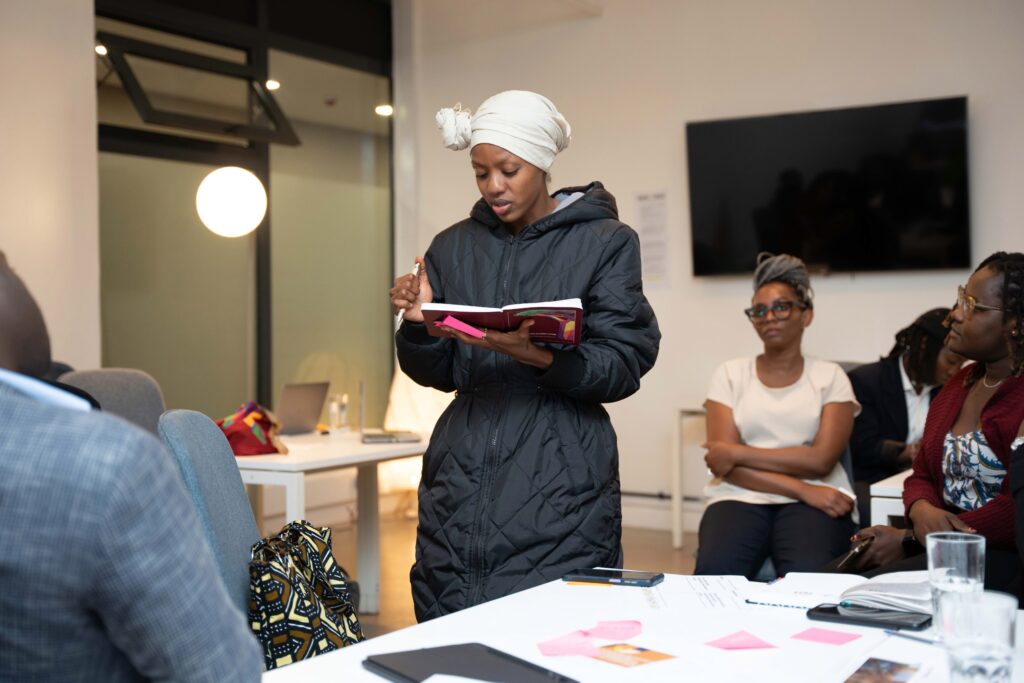
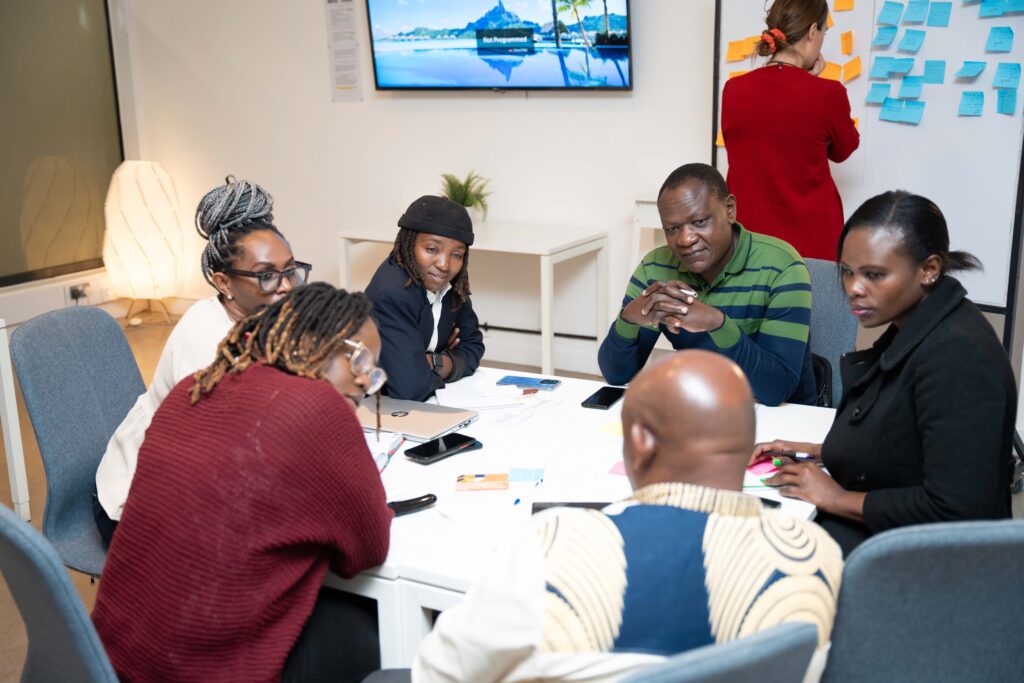
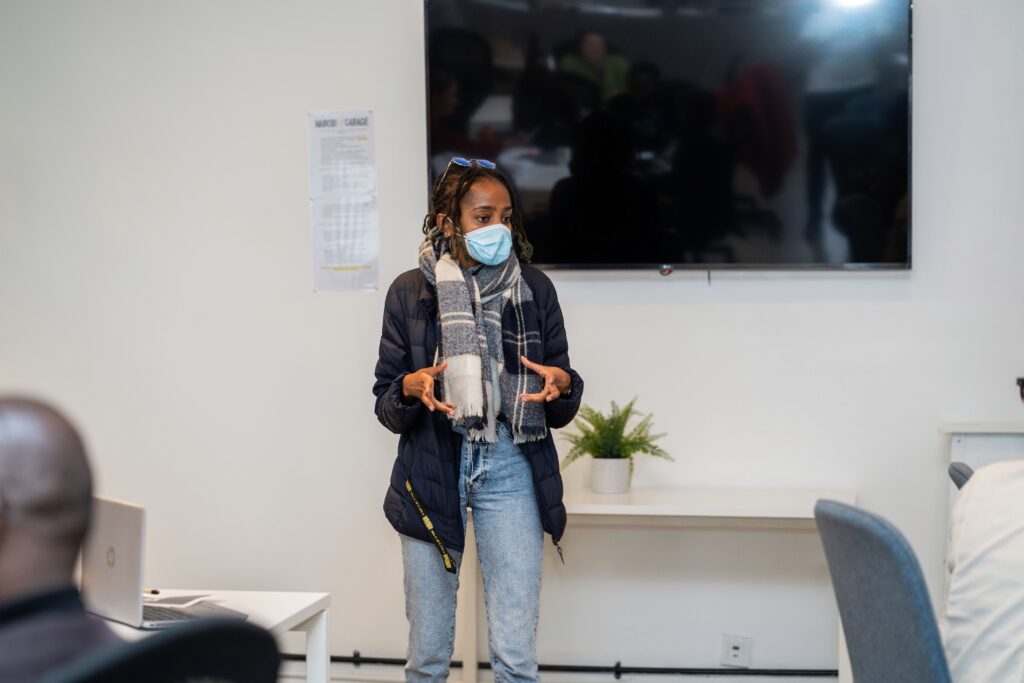
As we enter a new year, I’ve been contemplating how we cultivate community and create an environment that supports the growth of the different ecosystems here. Interestingly, my first sermon of the year was also on the topic of community. Which got me thinking about this incredible EdTech space we’re building.
In the sermon I heard, the speaker spoke about showing up to the community in three meaningful ways that resonated. I’d love to share his wisdom with you all.
First, he said, “Show up, Lavishly loving.” We can nurture an open, compassionate environment when we all bring an open heart and lead with kindness, even when disagreements crop up—leading our discussions with empathy. A little kindness always goes a long way.
Second, he encouraged Engaged participation. Being present and getting involved! This EdTech community provides an essential support system for those looking to make an impact in education. Having a supportive community is part of creating the conditions for success—a key ingredient to helping members feel less lost and lonely, finding partners and collaborators, attracting talent, raising money, and telling their stories. Our community thrives when we show up for each other, make connections, share knowledge, and provide encouragement. By fully engaging, we create a nurturing environment where EdTech changemakers can grow and develop. So to our quiet observers, don’t be afraid to share your voice!
Finally, he emphasized his generous presence. Being fully present takes effort, but it builds connection. Don’t be afraid to strut your stuff and get involved. I attach Seth Godin’s poem “Kash’s Garden.” Just like a gardener nurtures the environment for plants to thrive, our collective efforts cultivate the conditions for our community to flourish. Our unique voices, passions, and ideas are the vibrant flowers that make this community bloom.
I wish you all a more meaningful community in 2024!
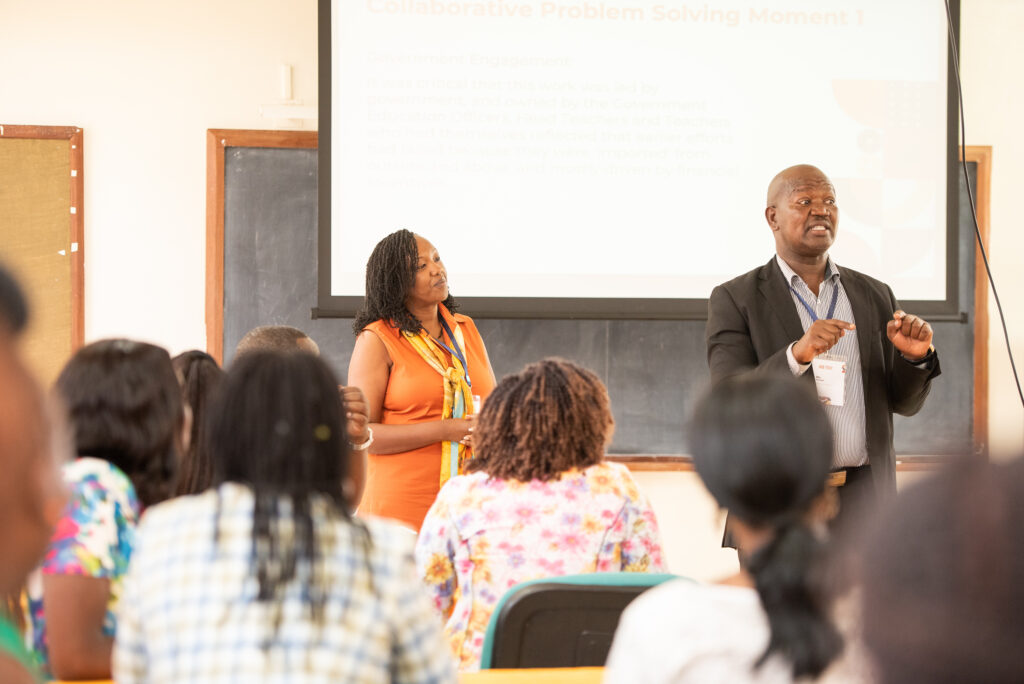
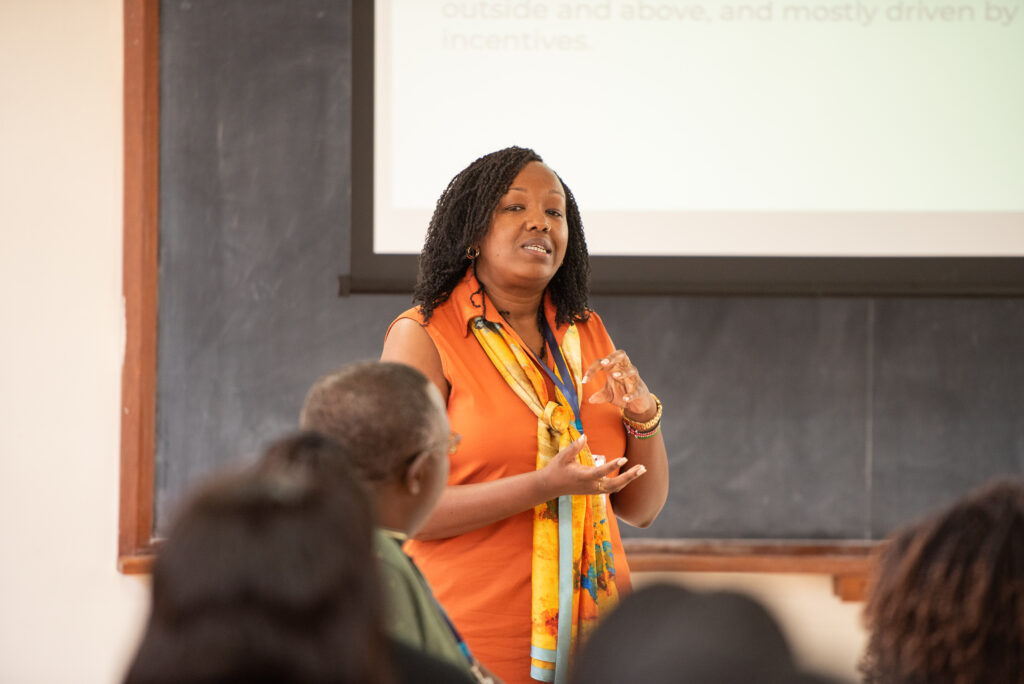
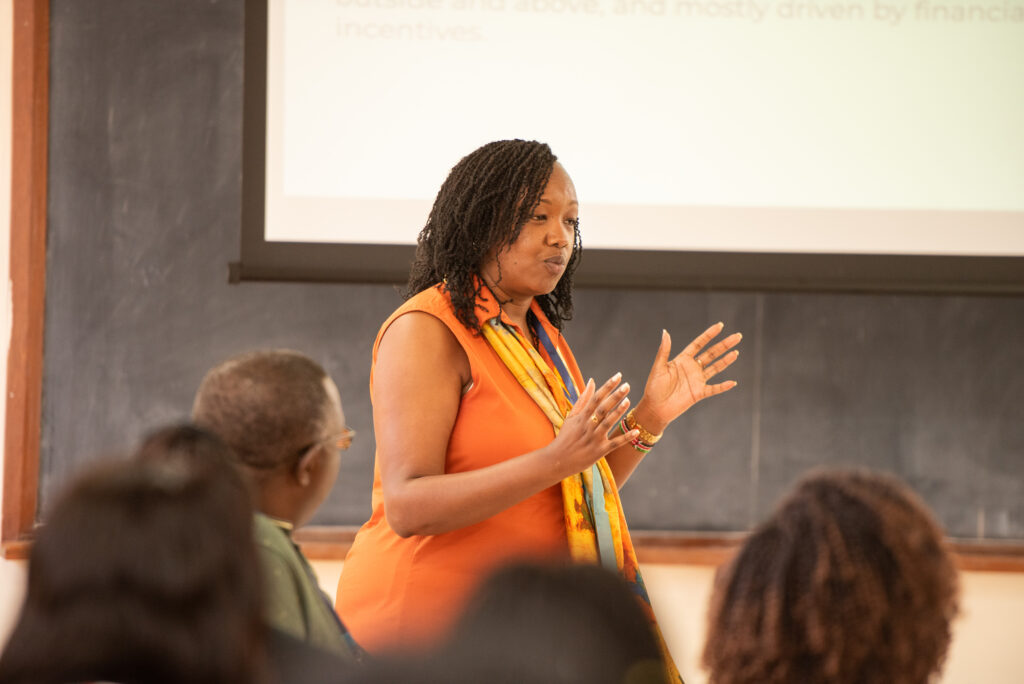
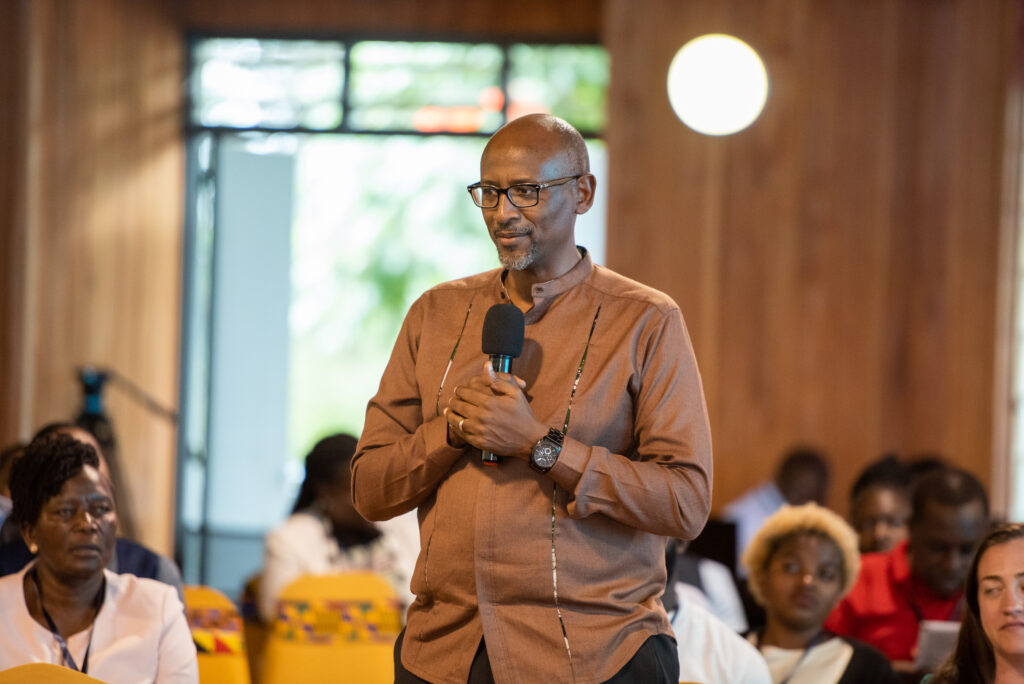
“Despite education receiving over a third of the national budget, many decisions are made without reliance on evidence, leading to inadequate knowledge and information on alternative, cost-effective, and impactful alternatives,” Dr. Kilemi Mwiria observed at the recently concluded 5th Education Evidence for Action (EE4A) 2023 in Homabay County. Dr. Mwiria is the Managing Director of Africa at Education.Org, an independent non-profit that uses evidence to transform education for children and young people. Having a political and research background, Dr. Kilemi was a great fit to deliver the keynote because he could speak from both sides. If you recall, he led a task force in 2014, proposing a raft of measures, including introducing free secondary education.
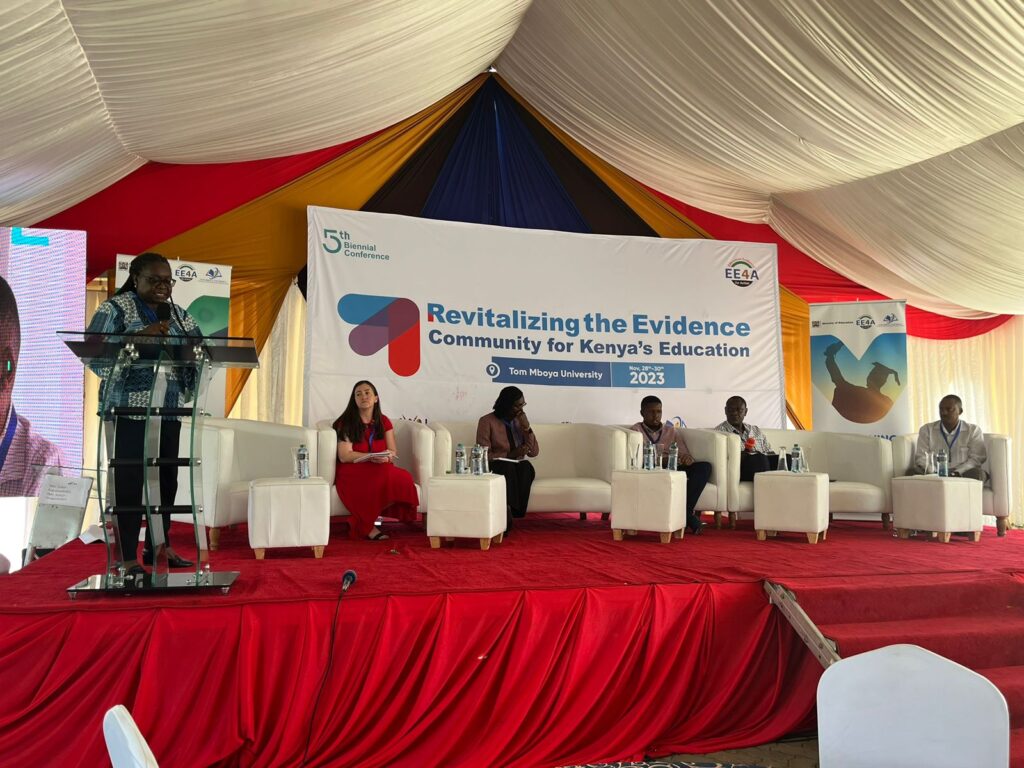
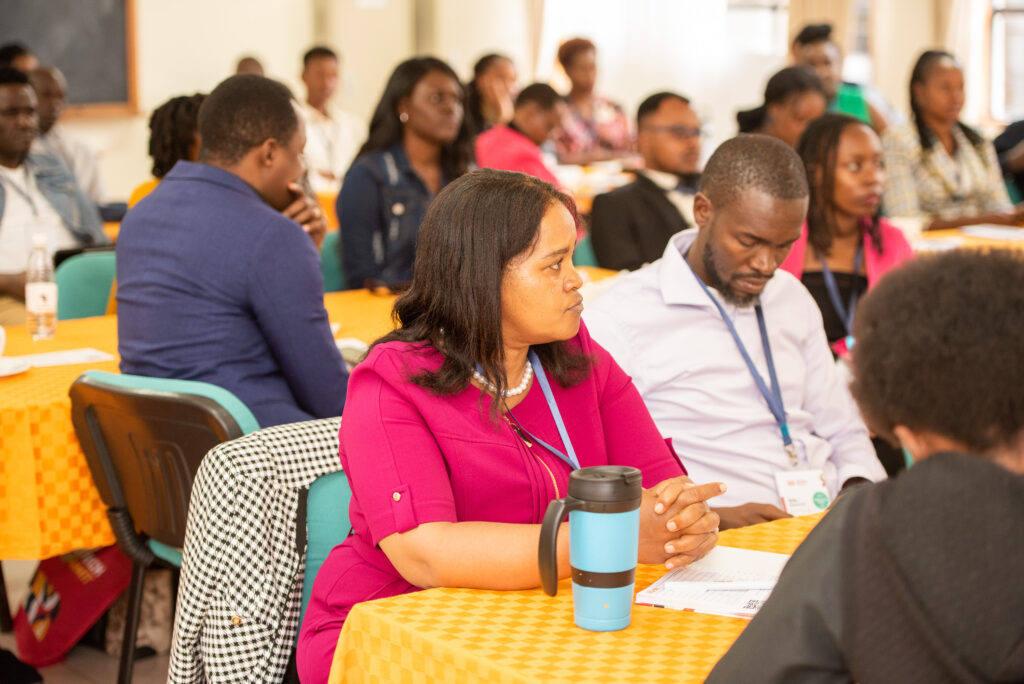
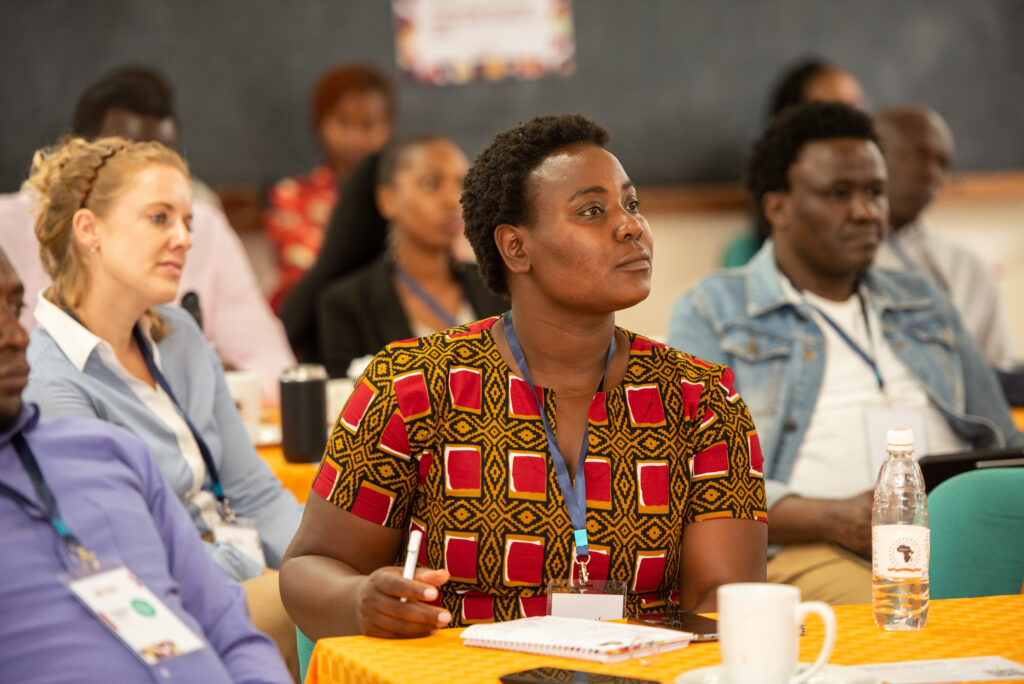
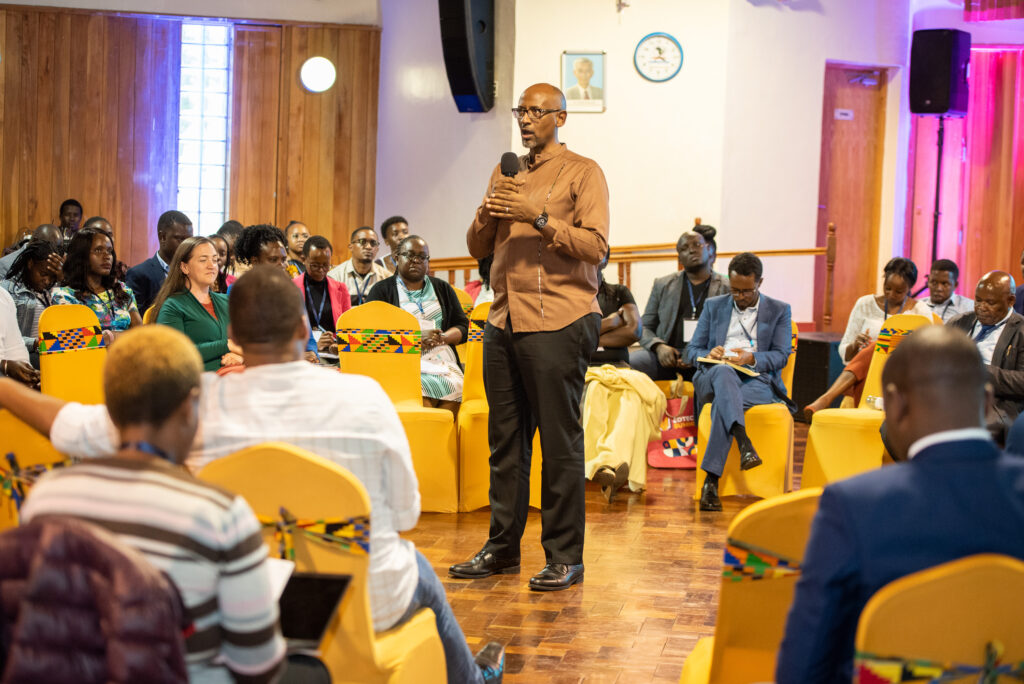
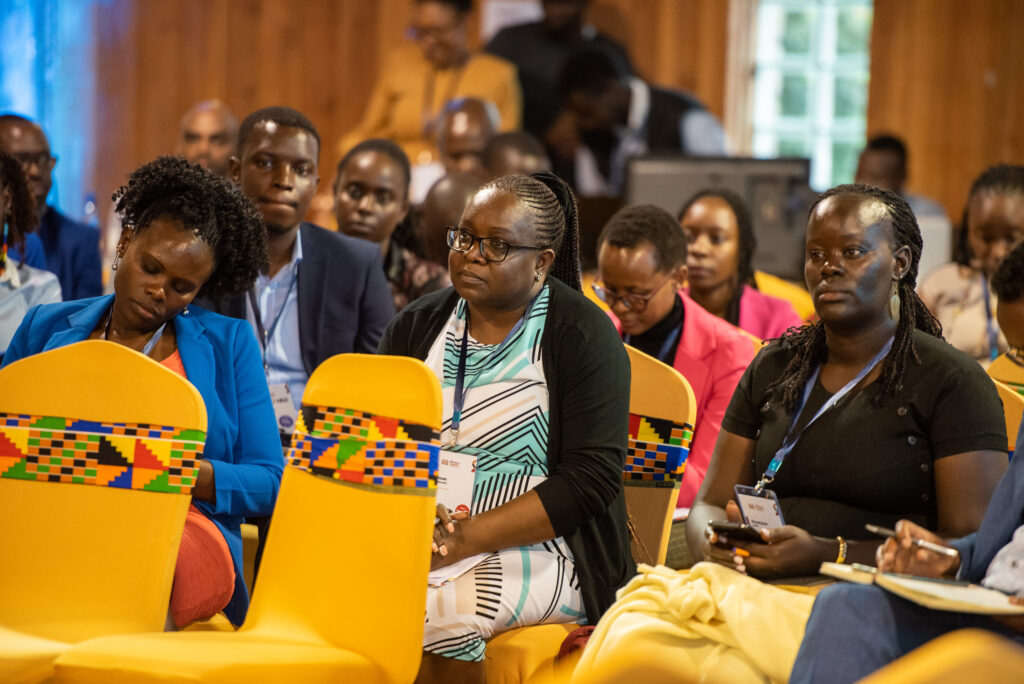
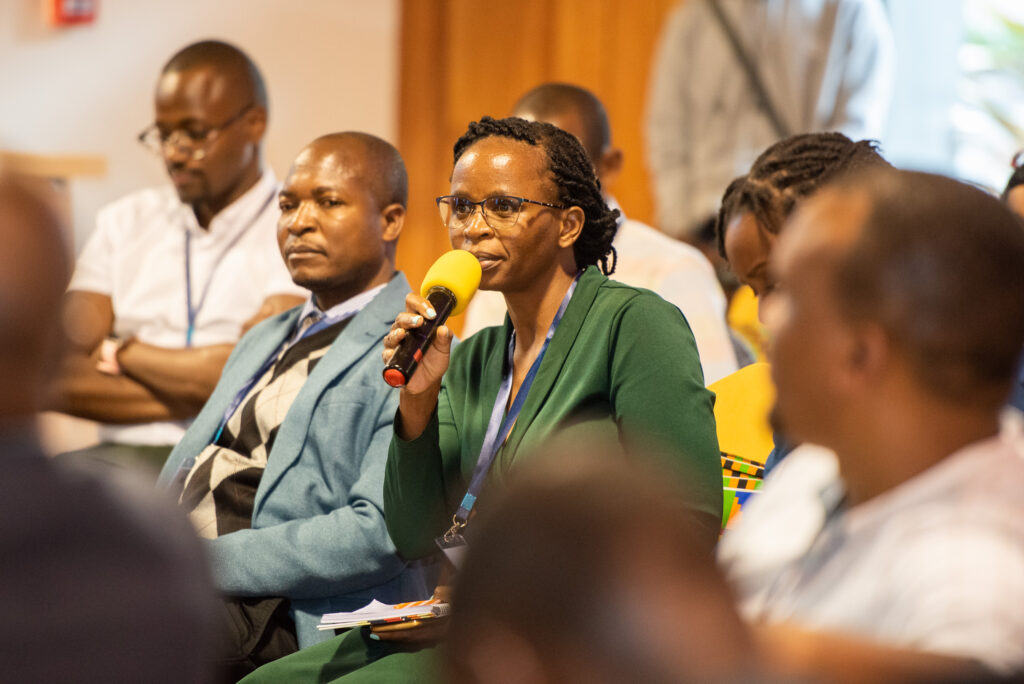
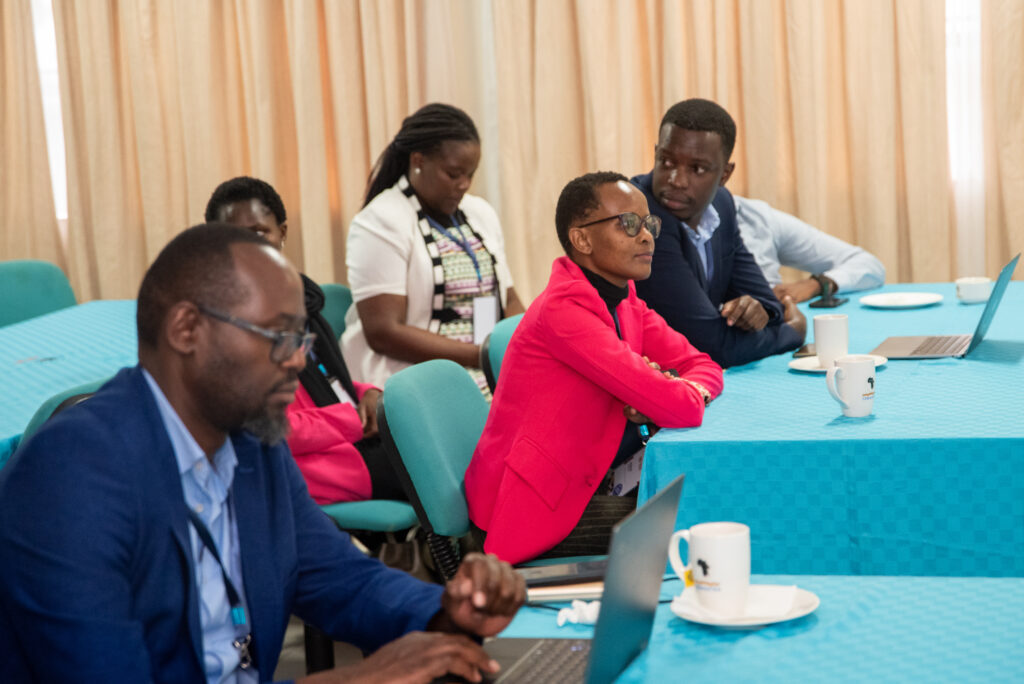
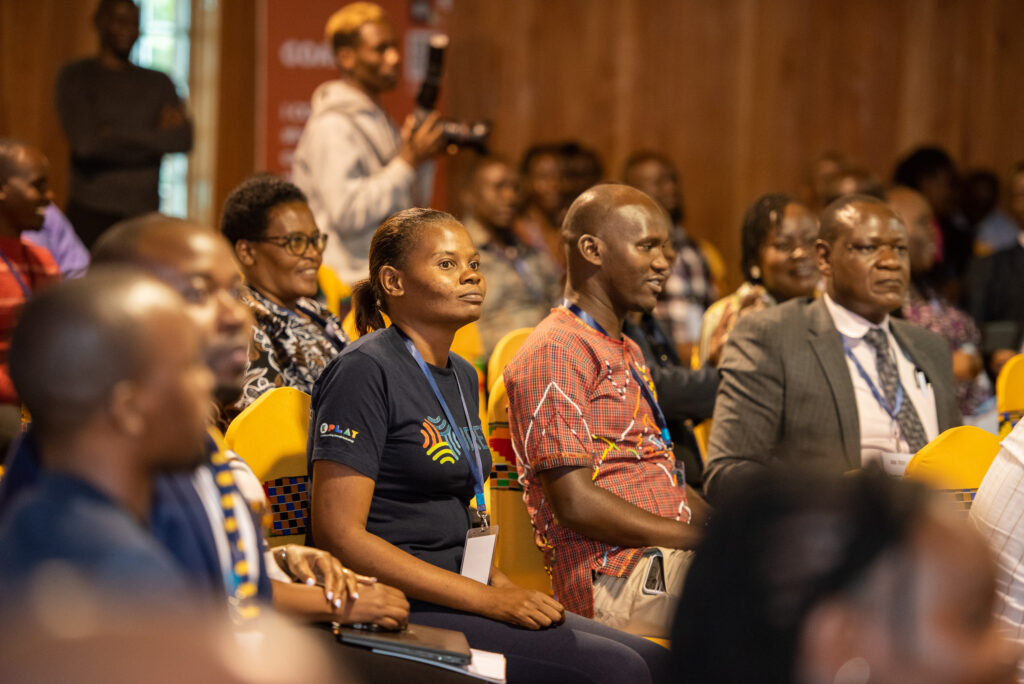
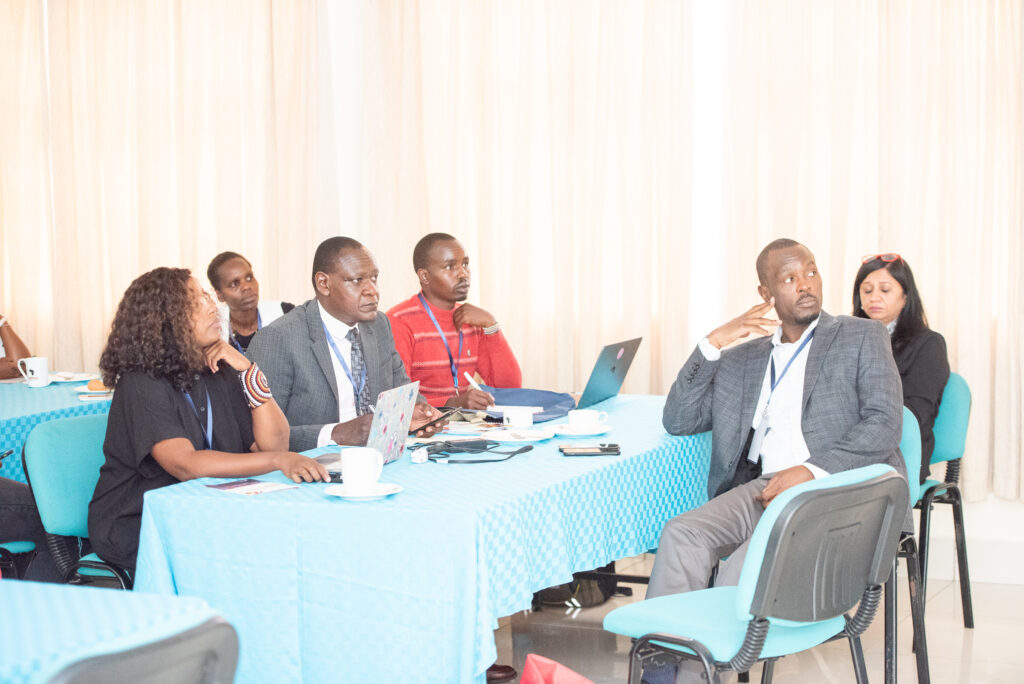
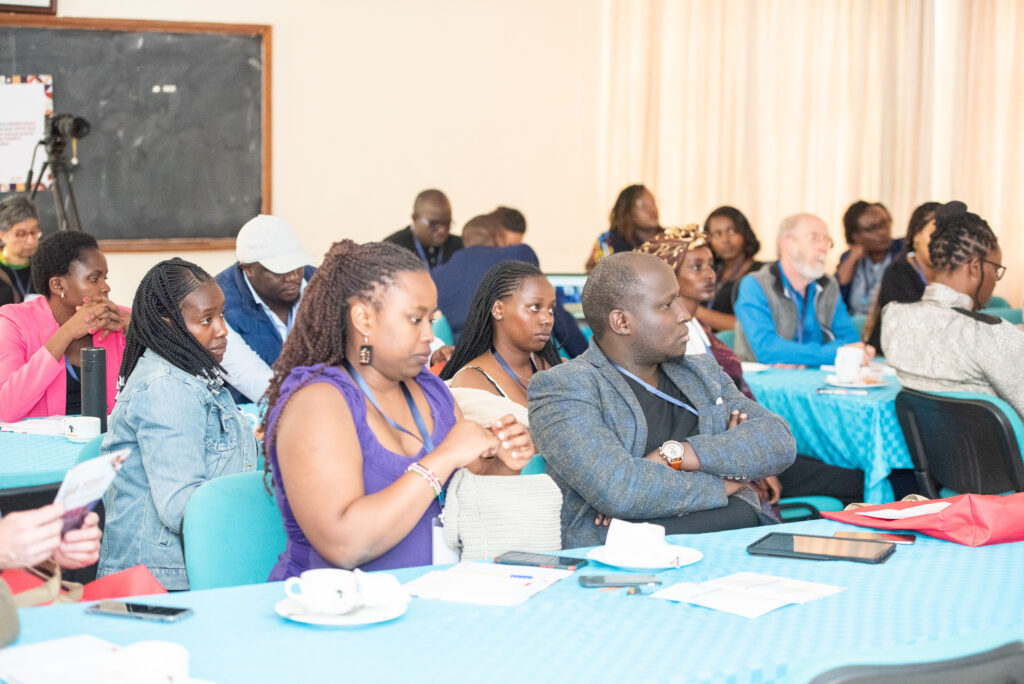
EE4A is a biennial conference that brings together the research community—researchers, development partners, and policymakers—in education in Kenya to discuss the use of evidence in education decision-making. This year, EE4A was from November 28th to November 30th, with the theme Revitalizing the Evidence Community for Kenya’s Education. It was the first time a learning institution, Tom Mboya University, hosted this conference and ensured strong representation from the academic research community in Kenya, with over 40 deans from universities and technical institutions in attendance.
Dr. Mwiria argued that the collection of enrollment data, participation data, and other data helps allocate resources effectively and provide ideas about progress. However, reports about these numbers may not always reflect the reality on the ground, with many students going through difficulties such as the scarcity of textbooks distributed to schools and the shortage of teachers in some areas.
Also in his keynote speech, Dr. Mwiria discussed the challenges of using evidence in school administration, particularly in school examinations. He noted that while there are county quality assurance teams that use evidence to guide special transitions, there are issues with the objectivity of this data across all schools and the potential for manipulation.
Representing the Ministry of Education (MoE) was Mr. Darius Mogaka, Director of University Education, who read the opening remarks on behalf of Hon. Ezekiel Machogu, the Cabinet Secretary at MoE. He reiterated the importance of using evidence as a catalyst for transformative change in Kenya’s education. He gave the example of the government’s commitment to educational reforms by commissioning the Presidential Working Party on Education Reforms (PWPER), which conducted countrywide consultations with education stakeholders, resulting in a report that prioritized reforms for quality education.
In his speech, Hon. Machogu recognized the symbiotic relationship between evidence and policy in ensuring that decisions resonate with the proven dynamics of effective education. As such, he emphasized the importance of inclusivity, ensuring that every voice from the classroom to the research lab is heard.
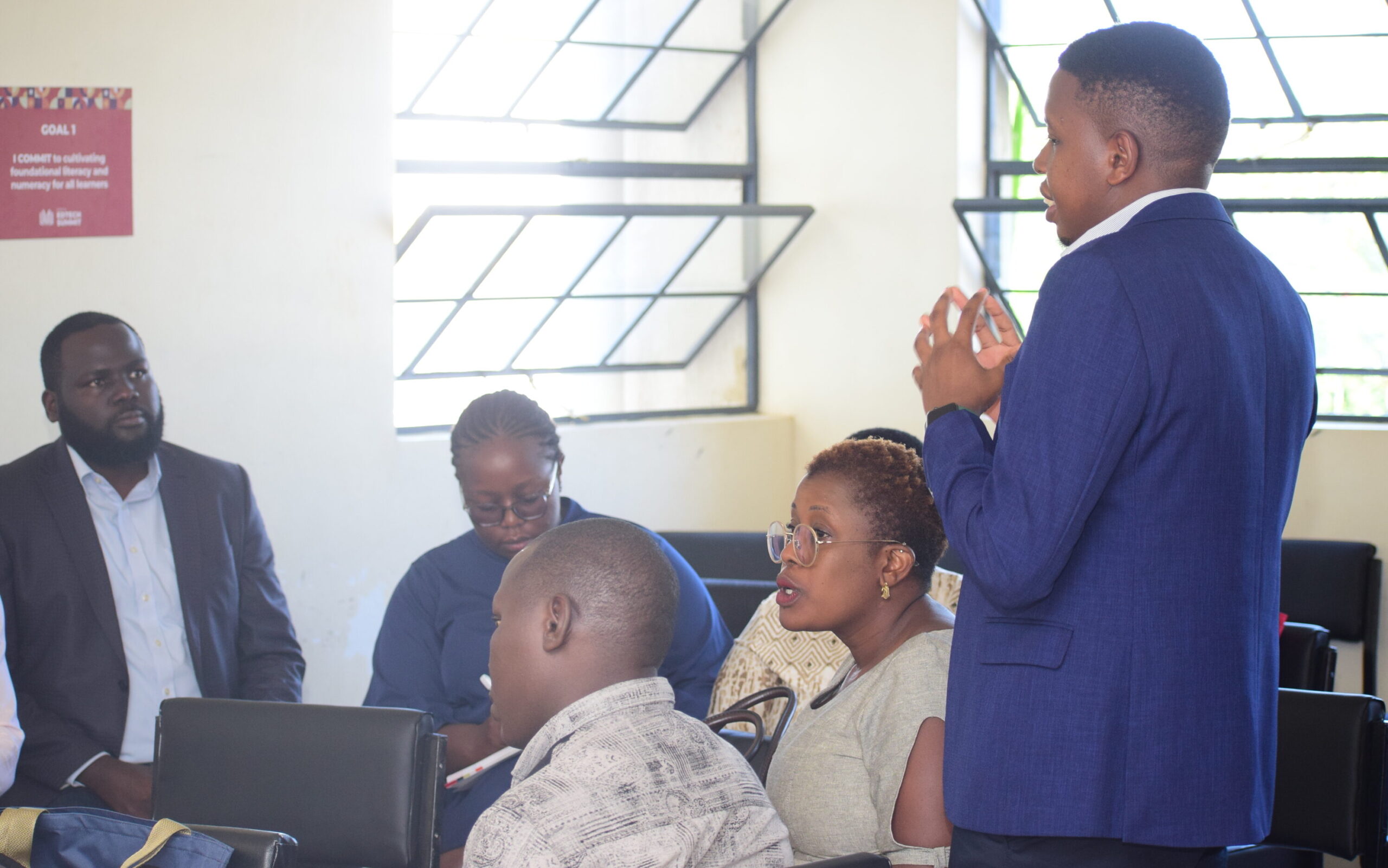
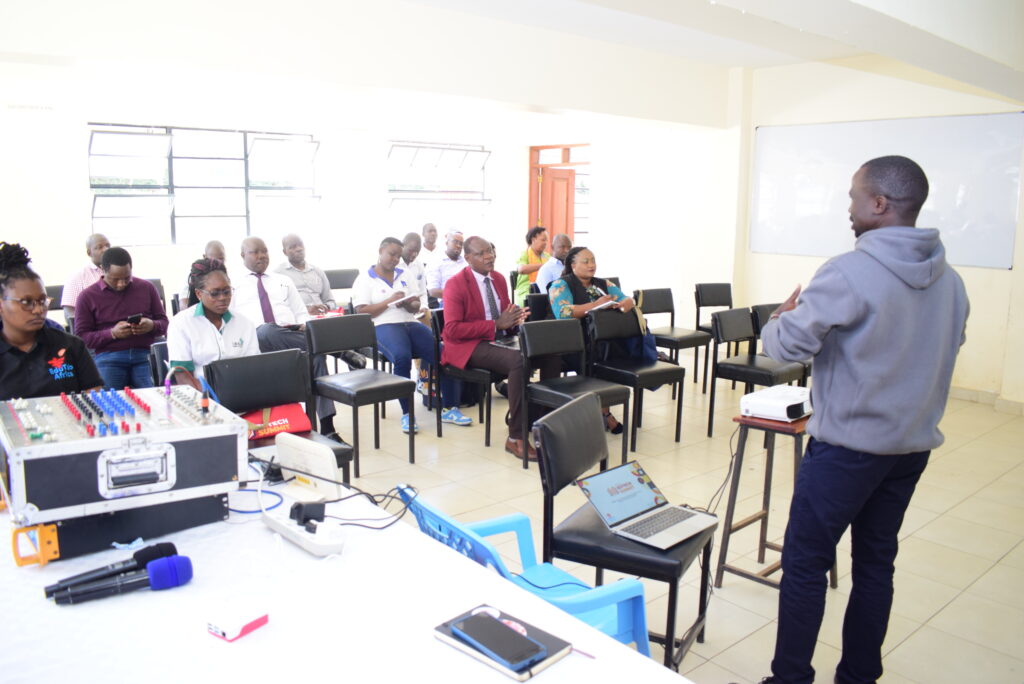
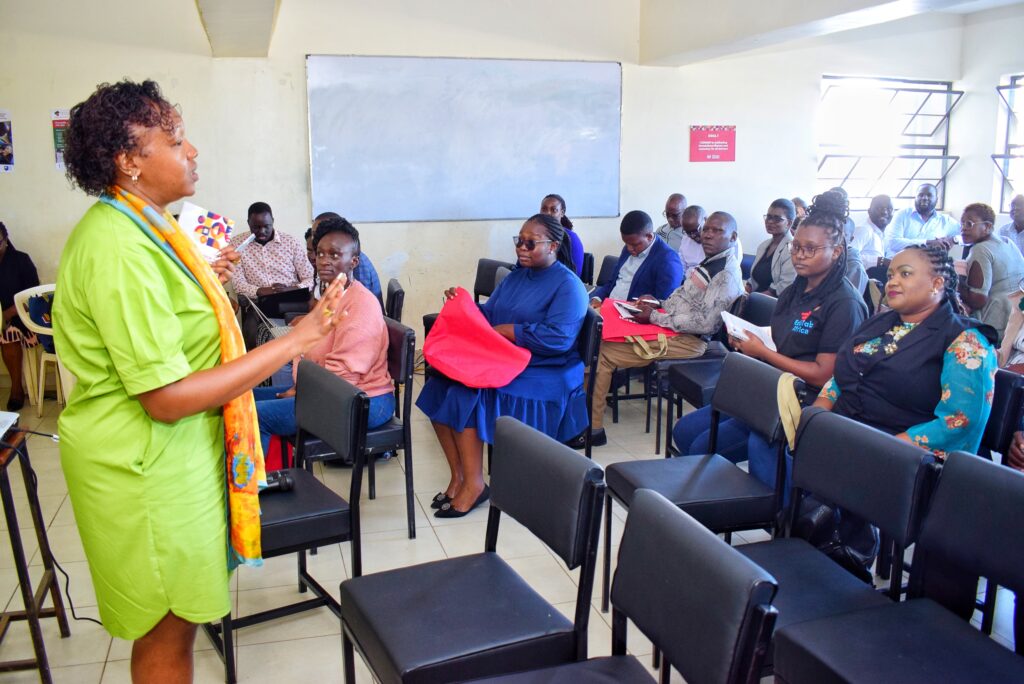
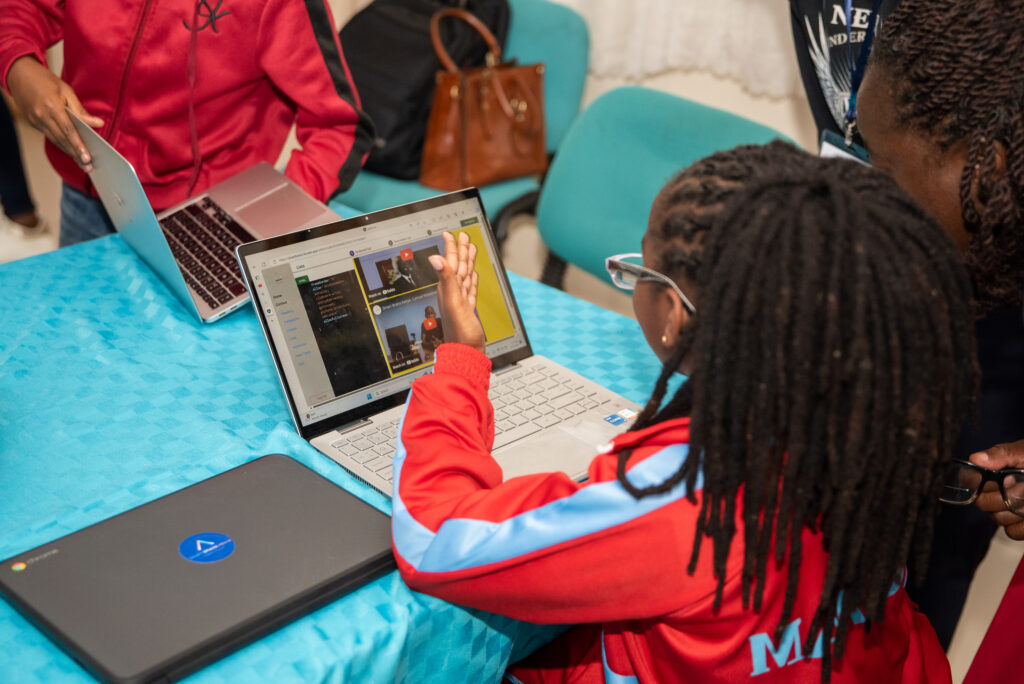
Of interest to the EdTech ecosystem was having EdTech as one of the four EE4A conference tracks, positioning it as a key enabler to improving education outcomes. EdTech East Africa held their first Western Kenya EdTech Summit as an EE4A 2023 pre-conference activity on November 28th. This half-day event built upon the national-level conversation conducted at the Kenya EdTech Summit in September 2023. The Western Kenya EdTech Summit allowed local EdTech innovators and enablers to interact with the Kenya EdTech Collective Action Goals workshop and Learning Out Loud workshops featuring two case studies of locally implemented EdTech solutions—Edutab Africa and Angaza Elimu.
The aim was to bring the conversations around EdTech evidence closer to the local community in Western Kenya. Kiko Muuo, the CEO of Angaza Elimu, said in his session that what data from their EdTech interventions has shown them is a disparity between the way girls and boys access technology. He said that they observed a trend where girls accessed their platform late at night when they should be asleep, while boys accessed their platform during normal after-school hours. On probing, they found out that the trend was due to domestic work by the girls after school.
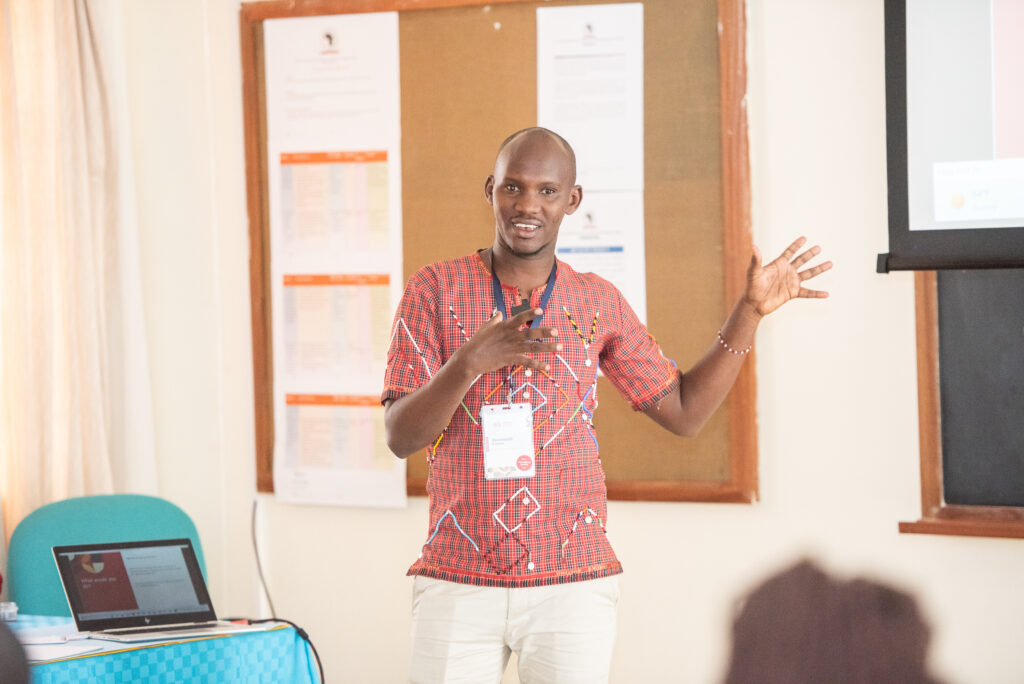
Mike Mumbo and the Edutab Africa team presented a case study of providing digital education through Moodle for offline access to two rural primary schools in a remote region in Trans Nzoia County. The ongoing case study has so far empowered teachers to integrate technology and playful learning. It has also brought to the fore the importance of collaboration with local NGOs, schools, and the Ministry of Education.
In a pre-recorded video played at the pre-conference, Dr. Manos Antonios, Director of the Global Education Monitoring (GEM) Report, highlighted the 2023 Global Education Monitoring Report on Technology in Education. The report highlights three key findings:
1. Although the scope and scale of technology and its change have been vast over the last few years, in higher education and lifelong learning, it has yet to transform primary education.
2. As EdTech products change rapidly, on average every three years, research cannot keep up. In the UK, only 7% of products had gone through rigorous testing, and in the US, only 2% of apps in the government’s clearing house had evidence of a moderate or high impact on learning. In cases of the availability of evidence, it is technology providers who provide that evidence.
3. The best way of describing the impact is that some education technologies improve some types of learning in some contexts. This also means that broader considerations around society-wide issues related to equity and quality should inform our decisions on the use of technology in education, with learners’ and teachers’ interests at the center.
Ciku Mbugua, Kenya Co-Lead at the EdTech Hub, led a discussion on Dr. Manos Antonios’ sentiments regarding what the evidence means for the EdTech ecosystem in Western Kenya. Some of the issues that came out of this conversation were issues of teacher professional development in terms of using technology in the classroom and inadequate infrastructure in rural areas, making access to technology difficult for learners and teachers.
During the main conference, Joan Mwachi, Collective Action Lead at EdTech East Africa, lauded the fact that this time, the EdTech conversation was part of EE4A’s core agenda and not a side conversation. Joan moderated an engaging EdTech panel consisting of Jennifer Cotter Otieno, CEO and co-founder of EdTech East Africa and Kenya Co-Lead at EdTech Hub; Kiko Muuo, representing the EdTech practitioners; Eng. Robert Juma Wamalwa, who was part of the Presidential Working Party on Education Reforms; Dr. Owen Ngumi, from Zetech University; and Prof. Carol Omulando from KCA University, representing academia.
This panel brought out issues of educators’ attitudes toward the use of technology in the classroom, the challenges of e-learning in higher education, issues of access and equity in terms of gender and geographical location of learners, the innovative collaborations between EdTech practitioners and infrastructure providers like telcos, and the strategies that EdTech East Africa is using to bridge the gap between evidence and practice of EdTech interventions. EdTech East Africa is in charge of ecosystem-building initiatives like the Kenyan EdTech Collective Action Goals, which all ecosystem participants co-created under the direction of existing government policies on ICT and education.
Dr. Sarah Ruto, the former CAS for Education who is part of the Global Education Evidence Advisory Panel (GEAAP), also reiterated the GEM report when she gave a snapshot of the 2023 GEAAP report on Cost-Effective Approaches to Improve Global Learning. The report outlines great, good, and bad buys for educational programs. The GEAAP report lists great buys as providing information on benefits, costs, and quality of education; supporting teachers with structured pedagogy; and targeting teaching instruction by learning level, not grade (in and out of school). However, making a single investment in hardware, such as laptops, tablets, or computers, or funding additional inputs without addressing other contextual issues has proven to be a bad buy time and time again.
The interesting insights that came out of the GEAAP report were the interventions with promising but limited evidence. These have studies that prove their high effectiveness, but evidence of their cost-effectiveness or examples of implementation at scale is lacking. One such intervention is using software that allows personalized learning and adapts to the learning level of the child (where hardware is already in schools). The concept of adaptive learning is already in use with EdTech products. This report clearly shows that it is an area of academic research that’s yet to be exploited.
As a first-time attendee, the conference prompted introspection. My motivation was to interact with the evidence community as I prepared to come up with a master’s thesis topic. Listening to the different panel sessions, I couldn’t help asking myself the same questions posed. How do I make sure my research informs policy? What is my motivation for choosing a topic? And how do I maintain the quality of my research? Will it be related to EdTech, having worked in EdTech circles for more than five years?
Dr. Charles Ochola, Vice Chancellor of Tom Mboya University, interrupted my thoughts during the Higher Education panel session. He stated that the research agenda is for career advancements and not to influence policy. Most postgraduates are self-funded by busy working students. This is why, outside every university, you see posters announcing research services and people offering to write master’s theses and Ph.D. dissertations while they don’t even hold degrees. This shines a light on the quality of evidence churned out of our higher learning institutions. Upon successful completion, the bound research gathers dust in libraries and stores, never to be read or influence policies.
To remedy this, Dr. Ochola said that we need to have more organizations fund authentic academic research. He stressed that senior lecturers and professors should have more time to do research, balancing it with their lecture work. There needs to be a succession plan for mentoring young lecturers.
In conclusion, the 5th Education Evidence 4 Action (EE4A) 2023 conference provided a comprehensive overview of the challenges and opportunities within the education sector in Kenya. In essence, EE4A 2023 served as a platform for critical discussions, bridging the gap between research and policy in the education sector. The incorporation of the EdTech track and the insights from esteemed speakers underscored the importance of evidence-based decision-making for transformative change in Kenya’s education landscape. The discussions recognized that technology is an enabler of teaching and learning, and its implementation should focus on evidence that supports the interests of learners and educators. Moving forward, the challenge lies in translating these discussions into actionable policies that positively impact learners and educators nationwide.
————-
About the author: Juliet Awuor is the Communications and Marketing Lead at EdTech East Africa, an ecosystem-building organization that aims to connect EdTech evidence to practice for developing inclusive, effective, and resilient technology-enabled education systems in East Africa.
If a tree falls in the forest, and there’s no one around to hear it, does it make a sound? Sounds like a trick question, right? But it’s not. It’s the age-old question that pits reality versus perception.
And that’s what Collective Action Goal 4 at the 2023 Kenya EdTech Summit sought to shine a spotlight on. The Summit was co-created by several EdTech stakeholders organized by EdTech East Africa, and sponsored by Mastercard Foundation and other sponsors.
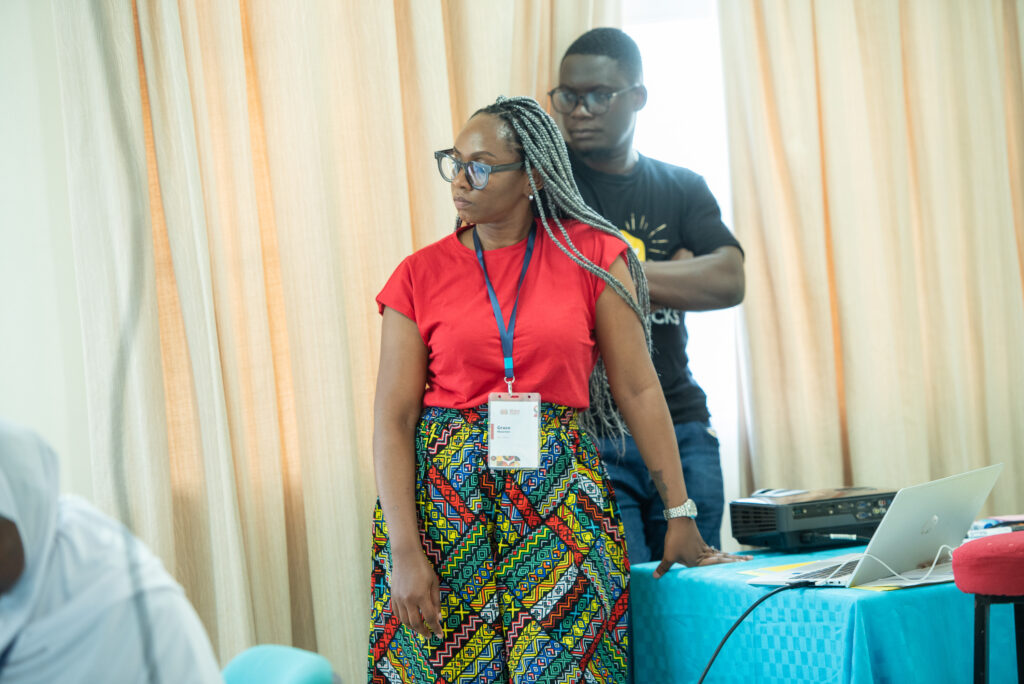
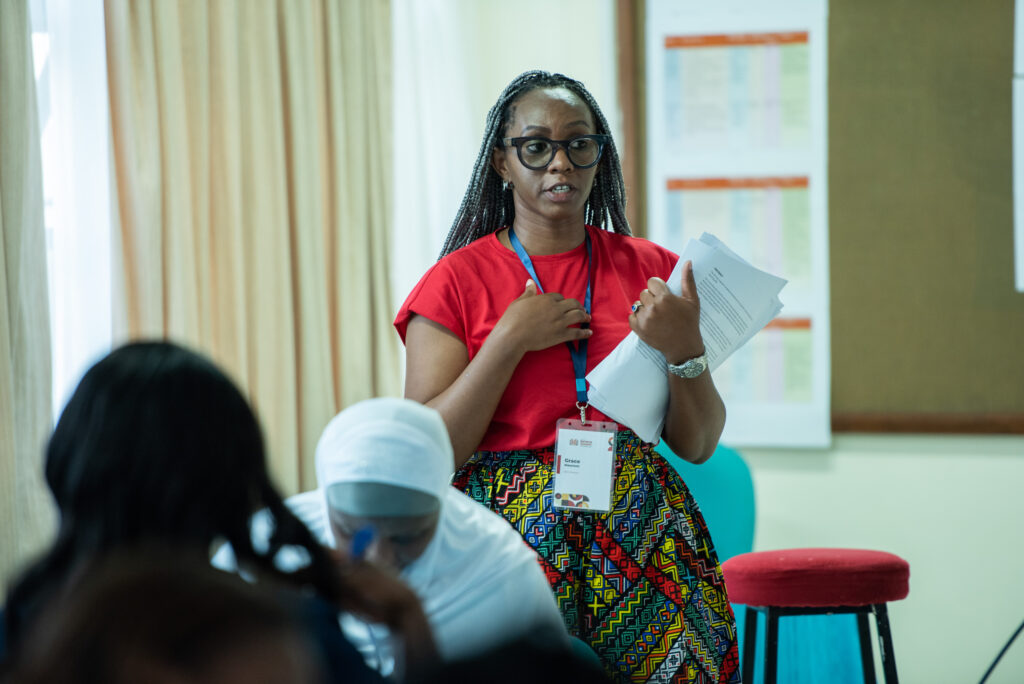
For context’s sake, let’s rephrase the question: If EdTech innovations make seismic waves and there’s no one to measure the impact, does it cause a change or disturbance in the atmosphere? Sound causes change or disruption in the airwaves. “We don’t have to continue measuring the impact the way we do if it’s not working,” the facilitator, Grace Maureen, said. “That’s why we’re here; to learn from each other.”
Digital divide
Grace works at Metis Collective. At Metis, they amplify and connect with innovators and help them to innovate for systemic change. They bridge the learning gaps with free programmes. One is the six-month fellowship, where they empower education leaders to turn their innovative ideas into practical solutions.
Metis piloted InnovateEd two months ago. It’s training that helps teachers solve problems. Currently, they are in what they call the empathise stage. This is where they go to their students, ask questions, and do a root-cause analysis.
Metis learned that those closest to the learners lack tools, resources, and a community of partners. These individuals in close proximity—teachers, pedagogical leaders, parents, and caregivers—need to strengthen their capacity to lead data-driven, inclusive digital learning. These players may be physically closest to the learners, but as long as they are worlds apart as long as the digital divide exists between them.
Purpose-driven conversations
The purpose of Collective Action Goal 4 was to help participants think through how they can measure progress toward the end goal of Inclusive digital learning. In the first collective conversation at the EdTech Workshop that took place in August, attendees talked about the enablers and barriers to strengthening the capacity of those closest to the learners and developed indicators.
The other purpose was to build on that conversation that players in the EdTech field need to develop our teachers. They also need inclusive curriculum integration, digital tools, collaboration, and engaging students, among others. That’s one end of the equation.
The other end is measuring progress toward the goal of being inclusive in digital learning. And while we’re at it, it’s not just about strengthening the capacity but realising that all the players are data-driven and can measure and share findings with the communities of practice.
“Let’s not leave measuring to the government and the big institutions,” Maureen advised. “We can contribute to that conversation from wherever we are.”
Measuring tools
“How do you measure progress toward your end goal?” Maureen asked the sixty-four-thousand-dollar question. “Which tools are you using and what are you measuring? It could be that, as a teacher, you are measuring student engagement or learning outcomes.”
Silence.
“Or you don’t measure?” Maureen quipped. “That’s also an answer. If I hear someone say they’ve realised that they’re not measuring anything, that would be great.”
That takes us back to the age-old question. If we EdTech players are not measuring their impact, how will they know what they are doing right? Or wrong?
When it comes to measuring, there are different strokes for different subjects. There is measuring progress and learning outcomes based on the 8-4-4 system and the CBC, the latter being more descriptive. There are measurement tools provided by the government: like the Early Grade Reading Assessment (EGRA) and the Early Grade Mathematics Assessment (EGMA).
There are also classroom measurements that educators generate according to how they have taught the syllabus. At the end of the term, a teacher sets an exam based on what they have taught. This exam is moderated by other teachers, who will say whether the teacher has followed the syllabus and met the objectives. The pass will be percentage or descriptive.
Ideally, the goals of any measuring tool ought to be threefold. One is to measure impact. Two, strengthen the capacity of learners. And third, to strengthen the capacity of those closest to the learners. However, more often than not, most measuring tools accomplish the first two goals but barely scratch the surface of the third.
“The tool should be holistic,” Maureen pointed out. “You need to include all stakeholders. As a teacher, you don’t, for instance, look at data in isolation. The parents and caregivers also contribute to that goal.”
Actionable insights
“We should come up with actionable insights. What metrics will I start measuring?” Maireen asked. “If you are an EdTech-preneur, what metrics are you going to use to measure your progress?”
“We measure revenue,” a participant said. “It’s important because we’re a for-profit organisation. We spend a lot of money to do content and want to get a return on investment and see if it’s worth it.”
A player like Ntemata, emphasises the teacher who, in their opinion, is the driver of learning. They measure the quality and wellness of the teacher. They measure how a teacher enhances learning in a classroom. Their assessment tool is supposed to support the teacher to achieve 100% engagement with the learner. They believe if they can strengthen the teacher’s capacity, then, they will have better learning outcomes.
Actionable insights are not just the preserve of some stakeholders in the ecosystem but for all and sundry. A pedagogical leader or EdTech-preneur can, for instance, look for the usage of apps and study the trends on the backend to arrive at actionable insights.
Learning metrics
There are different learning metrics for different learning scenarios. Let’s take the case study of Ziwani Primary School. Its metrics are professional development, inclusive pedagogy in curriculum integration, digital tools and infrastructure, collaboration and community building, student engagement, learning outcomes, and parental and caregiver empowerment.
Ziwani Primary School has implemented inclusive education for children with diverse needs. Emily is a fourth-grade student with autism and has shown remarkable progress in her social skills and academic performance since joining the inclusive programme. She has made friends, become more engaged in class activities, and is meeting academic benchmarks. However, the school’s focus on Emily’s success has led to less attention given to other students with diverse needs.
“If you’re working in Ziwani Primary School—as a teacher, pedagogical leader, policymaker, EdTech-preneur—what metrics would you use to measure success?” Maureen asked. “How do you ensure the metrics consider the needs of all students with diverse needs, not just Emily?”
“The key metric is inclusive pedagogy and curriculum integration,” one attendee opined. “This is because some of the learners are being neglected. They’re not fully engaged. The indicators in this case could be diversity in curriculum materials. This is because the other learners do not deal with the same challenges as Emily.”
“The other metric is learning outcomes,” another attendee chimed in. “Because if you’re feeling neglected, which means they’re not at the level they’re supposed to be at. They are not achieving the learning outcomes. One of the indicators would be competency in teaching.”
Learning metrics have a lot to do with measuring impacts to strengthen those closest to the learners. For starters, as Valamis states: “By gathering data throughout the process and carefully analyzing real-life results, learning metrics offer a way of accurately assessing the strengths and weaknesses of a particular course to determine whether it achieved its goal.”
Measuring the impact of a fallen tree
We’re back to para one. If a tree falls in the forest and there’s no one around to hear it, does it make a sound? Well, there’s more to this than meets the eye. The tree falls on other flora and fauna. The impact of a fallen tree tremendously affects the surrounding habitat.
But then again, if there’s no one around to, in the context of EdTech, measure the impact, it would be akin to a lost opportunity. Why? The capacity of other forms of life that are closest to the tree—teachers, pedagogical leaders, parents, and caregivers—cannot be effectively strengthened.
Let’s take a trip to Sobral. You don’t know where Sobral is? No problem. Google Maps’ got you. From the map, Sobral looks like a tiny dot with nothing to write home about. But don’t let that tiny dot deceive you. Because? Sobral has got a world of a story to tell.
Sobral, a municipality in Ceará in Brazil, has a population of 200,000 inhabitants. Among Brazil’s 26 states, Ceará has the fifth lowest GDP per capita. Ceará and Sobral had low levels of literacy 20 years ago. Then an education revolution of sorts happened.
According to The World Bank, “in just over a decade, Ceará improved the quality of education so much faster than the rest of Brazil. Among them, Sobral went from a bottom-ranked municipality to become first for both primary and lower secondary education and to reach levels of education quality comparable with those of world-class education systems as measured by PISA.”
Ceará has the lowest rates of learning poverty in Brazil and features 10 of the 20 top-ranked municipalities. Sobral has some of the best primary schools in Brazil. The outstanding educational results of Ceará and Sobral students are well above what would be expected given the socioeconomic context in which they live and learn.
What happened? What changed? How did Sobral do it? That’s what Dr. Samuel Marigat and other educationists went to find out in 2022. The trip, which was under the South-South (Kenyan Chapter) Programme, was to understand why a rural village has such high literacy levels and for educationists to learn the importance of foundational literacy. It’s this knowledge that Dr. Marigat and other players came to share at the 2023 Kenya EdTech Summit. The two-day summit, which was co-created by different players in the EdTech space, led by EdTech East Africa and sponsored by Mastercard Foundation, the EdTech Hub, Oracle Academy, and Amazon Web Services.
“At the end of the programme, we asked ourselves, ‘What do we go and implement?’” said Dr. Marigat, who’s a Curriculum Support Officer (CSO) at the Teachers Service Commission. “I said we will go to Kirinyaga. The South-South agreed to support us on this initiative in Kirinyaga.”
Kirinyaga rising
In 2020, in terms of education, the most dropped county in Kenya was Kirinyaga. There are 200 public schools and 200 private schools in this county that are located in Central Kenya.
Most foundational literacy programmes are led and funded by development partners. Unfortunately, when the partner leaves, the programme dies. Dr. Marigat was adamant that Kirinyaga’s turnaround would be government-led; from gun to tape.
“The teachers belong to the GoK and are paid by the GoK,” Dr. Marigat explained. “Ditto the heads of departments and CSOs and others. Because it’s government-led, we ensure there’s sustainability. Personalities go, but offices do not. The systems will remain.”
“Because it’s a government-led initiative, we move at the pace of the government. Two, we don’t allow partners to cut and paste their programmes. In Kirinyaga, we say we cook our mukimo – a local delicacy in Central– our way.”
The more, the merrier
Though Kirinyaga’s foundational literacy turnaround is Caesar-led, it is also multisectoral. It is community-centric. As the Swahili proverb warns: “You can’t kill a louse with one finger.” The team to kill illiteracy consists of Dr. Marigat, the country director of education, an official representing the Minister of Education, a steering team representing all the sectors, and a technical team that’s currently working on a manual. Other players who have seats in this roundtable are teachers, heads of institutions, County Directors, parents, CECs, the business community, and elected leaders.
Their approach is four-pronged. One; NGOs and other development partners remain in a position of support. Two; everyone moves at the government’s pace and is allowed to be the pace-setters. Three; they are collecting and learning from shared local data. And four; they have crafted roles and working teams that allow the government to take the lead.
A project on early childhood literacy and numeracy which was carried out in 400 randomly-selected villages in a rural district of Uttar Pradesh, India concluded that: “In order to fully optimise the potential of the community, there is a particular need to strengthen mechanisms for school-community engagement, recognising that home, school and the broader community are all important sites for children’s learning. This could involve implementing mechanisms for regular communication, coordination, and collaboration between teachers, parents, and communities around how best to support children’s learning.”
Fixing the foundation
A building can only go as high and be as solid as its foundation. The foundation’s depth must be commensurate to the weight it will carry and the type of soil the edifice will stand on. Every construction material used must be A1. From planning to execution, there are no cutting corners.
Education is a building that houses a nation’s hopes and aspirations. This means that learning outcomes cannot be wished away until foundational literacy is fixed. The mission of education stakeholders in Kirinyaga is to ensure every learner can read by Grade 3. They are aware that Grades 1 to 3 are the foundation. If this isn’t done right, a catastrophic collapse awaits the county and country.
“When we say most learners can read, if there’s one learner who can’t read, is that okay?” Dr. Marigat posed. “When we say 99% can read; what if that 1% is your child, how would you feel? It’s never okay when there’s one child who can’t read.”
In their initiative, no child will be left behind. To achieve this, the team’s work focuses on material development, pedagogy for early grades, and formative assessment. Besides, they have got a much-needed shot in the arm; by putting all ECD teachers on permanent and pension, the county government isn’t just walking the talk but also making the foundation firmer.
Evidence-based learning
John Adams said, “Facts are stubborn things; and whatever may be our wishes, our inclinations, or the dictates of our passions, they cannot alter the state of facts and evidence.”
Facts. Evidence. Two legs that make educational initiatives run, without which such initiatives cannot go anywhere. And Dr. Marigat knows this too well: “We prided ourselves that we were doing well, but evidence showed otherwise.”
Having learnt their lesson, Kirinyagans are doing things differently. The teachers have developed learning materials, which cover four weeks. Every Thursday, without fail, they assess every learner to check their competence level. Thereafter, they start remedial work for learners who have not met the standard. They want to know – and not guestimate – if their learners are meeting the standard.
After the assessment, they have a rubric that has been developed in partnership with the Kenya National Examinations Council (KNEC) and the Kenya Institute of Curriculum Development (KICD). That’s where technology comes in. They get real-time data because their attention is on formative evaluation. They use the evidence brought by the data to inform learning and what interventions are needed for each learner.
Tech and teachers
In Kirinyaga County, every school has a minimum of 40 gadgets. Many of these gadgets are still brand new. Part of the reason why the laptops are still new is because teachers are struggling.
The gadgets are also safe. It’s very tempting to think of the learner when talking about the use of tech in education.
“Let’s put the learners on the back burner. They’re not missing anything,” Ciku Mbugua said. “Let’s not focus on the teachers just to say we’re building technology skills.”
“Let’s equip them to use technology in their day-to-day work. Once the teachers start to perceive technology as an assistant, a tool that makes their tasks easier, then we’re going somewhere. If we want to build the capacity of teachers, we need to figure out how to leverage data; and how they can collect, understand, and use data to make decisions in the classroom. How do we begin a culture of data?”
In Kirinyaga, teachers are “tech-ing” their homework game. They write links to videos the learners need to take to their parents to watch. This has made the parents more involved. It has made parents realise they have a central role to play. It has made them realise that, like the traditional African fireplace, it takes three stones to cook.
This supports the hypothesis that: If pedagogical leaders, teachers, and parents are equipped with the mindset and competency to support the appropriate use of data, teachers and learners will receive targeted impactful support that will ensure every child can read with fluency and comprehension.
Policy
The role of policy in any foundational literacy effort cannot be overemphasised. Before you do anything, ask yourself: “Am I introducing something that’s contrary to policy?” Check the policy.
Even the team in Kirinyaga is toeing the policy line. They are implementing what’s within government policy. They are using digital learning devices from the government. They are not introducing anything new. They brought an official from KNEC when they were introducing their assessment tools.
“Government is about structures,” Dr. Marigat advised. “If you want to discuss the curriculum, go to KICD. If it’s about assessment, talk to KNEC. If it’s teacher management, go to TSC. We cannot talk about publishing books if it’s not approved by the right government agency.”
Here’s the thing. Situations may seem to be alike. But that’s not always the case. There’s a place for learning from others. There’s a place for visiting success stories like Sobral and, like a sponge, soaking in all the lessons. But there’s grave danger in blindly bringing an intervention that worked in other countries and thinking it will work locally. For instance, in nomadic communities, the schools follow the children.
When you go to the village, first find out what works in the village. Then, as they say, work it.
10 down, 90 to go
Dr. Marigat’s team has currently done 10% of all the schools in Kirinyaga County. Next January, they want to roll out the initiative in all the schools in Kirinyaga. That’s 20 of the total 200 public schools, which are scattered in the 81 sub-locations.
There’s an African proverb that says it takes a village to educate a child. A village is made up of people, policies, and potentials. These are what these intrepid educationists will have to tap into to realise their dream of making Kirinyaga the Sobral of Africa.
By Nancy Marangu, Communication and public policy analyst
The Kenya EdTech Summit 2023, would not have been complete without delving into the concerns of ensuring learners have the requisite skills to thrive in the current digital workforce. This is with the appreciation of the dynamic landscape of the 21st century. I had the privilege of attending the Collective Action Workshop on Goal 2 at the Kenya EdTech Summit. Goal 2 of Kenya’s EdTech Collective Action Agenda is to Ensure learners have the skills they need to solve the problems of the future and thrive in a digital workforce and society.
Whereby the traditional face of education is undergoing a profound transformation, evolving into dynamic learning ecosystems that cultivate adaptability, innovation, and the paramount ability to innovate. Acknowledging the pivotal role of education in national development, Kenya has embarked on a transformative journey, placing substantial emphasis on nurturing problem-solving skills among learners to thrive in an era dominated by digital advancements.
To this end, the government has invested in seeking to understand the education industries better, including their market structures and innovation processes, to create a more mature relationship with the education sector. This is with the appreciation that the innovation in the industry – which develops the products and services that could drive innovation in schools – does not happen in isolation from what is happening in the education sector. It is only when there is an innovation-friendly culture in education systems, supported by an innovation-friendly business environment and policies, will industries start to engage in risk-intensive research and development.
Repackaging STEM: A Keystone of Transformation
At the heart of this educational transformation lies the repackaging of STEM (Science, Technology, Engineering, and Mathematics) education and training – a flagship project integral to Kenya Vision 2030. The ambitious endeavor is poised to cultivate experiential learning, innovation, and creativity while magnetizing learners toward STEM-related disciplines. The fundamental objective is to harmonize comprehensive programs in education, training, research, and development, alongside nurturing innovation in science and technology at all educational levels. The Ministry of Education, as outlined in the Sessional Paper No. 1 of 2019, is ardently executing its role in equipping all learners with fundamental STEM literacy. This proficiency is pivotal in enabling them to navigate and excel in a rapidly transforming world. Furthermore, the initiative aims to bridge the skills gap by ensuring an adequate supply of skilled labor in STEM fields, which is fundamental for technological advancements and robust economic growth.
One 2023 Kenya EdTech summit participant who sought anonymity, argued that educational innovations can improve learning outcomes and the quality of education provision. For example, changes in the educational system or in teaching methods can help customize the educational process. The participant further noted that new trends in personalized learning rely heavily on new ways of organizing schools and the use of information, communication, and technology. They also added that innovations could help enhance equity in the access to and use of education, as well as equality in learning outcomes.
According to Michael Mumbo of Edutab Africa, STEM ought to also embed entrepreneurship education to ensure learners can cultivate entrepreneurial skills through problem-solving activities and contextual learning based on interactive projects and games. By contrast, entrepreneurship education for upper secondary school students and young adults is more typically based on providing information and developing the practical knowledge and skills needed to run a business.
Accordingly, Eng. Juma Robert, another participant, said that there is a need for sustained public investment in an efficient system of knowledge creation and diffusion: most of the key technologies in use today, including the Internet and genomics, have their roots in public research, illustrating how essential public investments are.
At a time when the world economy faces many long-term challenges, public investment needs to focus on durable benefits, rather than short-term outcomes. Support for business innovation should be well-balanced and not overly reliant on tax incentives. Incentives should be complemented with well-designed, competitive grants that can be better suited to the needs of young innovative firms and can also be focused on the areas with the highest impact.
Increased access and participation in the digital economy: digital technologies offer a large potential for innovation, growth, and greater well-being. However, policy action is needed to preserve the open Internet, address privacy and security concerns, and ensure access and competition. Digitally enabled innovation requires investment in new infrastructure such as broadband, but also in ensuring there will be enough spectrum and Internet addresses for the future.
During World War II, U.S. leaders realised that nearly 16 million American men and women who were serving in the armed forces would be unemployed when the war finally ended and that this could cause another depression and widespread economic instability similar to the aftereffects of the 1929 stock market crash. To prevent that, expertsstudied the issue and recommended a series of education and training programs.
On Jan. 10, 1944, Congress passed the GI Bill of Rights because it offered federal aid to help veterans buy homes, get jobs, and pursue an education, and in general helped them to readjust to civilian life.
Within its first seven years of use, about 8 million veterans took advantage. U.S. college and university degree holders more than doubled between 1940 and 1950. Within 50 years, the number of Americans with advanced degrees rose nearly 20 percent. By July 1956, when the bill initially expired, almost half of the 16 million World War II vets had gotten education or training through the GI Bill.
In 1990, President George H.W. Bush summed up the bill’s impact: “The GI Bill changed the lives of millions by replacing old roadblocks with paths of opportunity.”
Youth power
During the Town Hall session at the 2023 EdTech Summit, Joseph Nsengimana pointed out that, as other continents are aging, Africa is getting younger. Nsengimana is the Director of the Mastercard Foundation’s Centre for Innovative Teaching and Learning in ICT. The summit was co-created by several edtech players and was sponsored by the Mastercard Foundation and EdTech East Africa.
“According to the UNICEF Report, Africa will be home to 2 in 5 children by 2050,” Nsengimana gave the stats. “This is an asset. But it’s only an asset if we can invest in this abundant human resource. It’s important to keep the focus on why we’re all here. Education is why we’re all here. Education technology is the means to accomplish what it is we’re trying to do.”
“How do we educate our children in emergencies? How do we make sure we’re taking advantage of all available tools? Whether under a tree or inside a classroom; we have to ensure our children are learning.”
2050 is 27 years away. 27 years seems like a long time. 27 years sounds like Africa has all the time in the world to get her act together and seize her rightful place. But in this fast-paced world, that’s a blink of an eye; what with different emergencies side-tracking Africa, causing her to waste valuable time and talents.
Learning goes on
Nobody knows how we can educate our children in emergencies than Jane Maweu, who’s the Education Program Officer at Save The Children International. Maweu, who works in Dadaab Refugee Camp, refers to herself as a trained teacher who’s no longer in the classroom but supports what happens in the classroom.
The Dadaab refugee complex has a population of 218,873 registered refugees and asylum seekers as of the end of July 2020. The first camp was established in 1991 when refugees fleeing the civil war in Somalia started to cross the border into Kenya. A second large influx occurred in 2011, when some 130,000 refugees arrived, fleeing drought and famine in southern Somalia.
Let’s put it into context. Dadaab has a larger population than the world’s eight least populated countries. Put together.
“We deal with populations we refer to as ‘people on the move’; they’re moving from their home countries because of war or unrest,” Maweu explained. “During their transitory process, they have missed education. When they arrive in Dadaab, we have to pick the learning pieces.”
As if that’s not a big enough challenge, Maweu talked about double jeopardy. The refugee situation is an emergency, and then there are other bolts out of the blue: COVID-19 and El Nino.
“I ensure learning continues during emergencies,” Maweu said. “During Covid-19, many children were left out of school. This forced us to think outside the box.”
No organisation can fly solo during emergency missions. Save The Children has partnered with Library For All which provides gadgets for the learners. Sesame Workshop has also joined the mission. They provide content that targets ECD learners.
“We have teachers who have no exposure to what happens. They’re untrained,” Maweu expounded. “They came from neighbouring countries or were born and brought up in the refugee camp and became teachers in the camp. How do we ensure these teachers can use technology to enhance equity in learning?”
“We’ve been training these teachers to build their capacity. We’re also partnering with EDU Africa to help these teachers with skills and tools to enhance quality education.”
Refugee camps have several challenges. There’s a lack of infrastructure. Families live in tents. Some live in semi-permanent structures. There’s an increasing number of children. There’s also the issue of language.
Tech isn’t the be-all and end-all. Tech can only do so much. On the issue of language, the players in Dadaab have tried to contextualise the content by translating it into Somali. That, too, has brought another challenge. The Somali language has several dialects.
“Technology will not replace teachers, but teachers with technology in hand are the ones who will replace the teachers without technology,” said Dr. Sam Marigat, the TSC County Director for Kirinyaga.
“That should be our foundation when we start discussing EdTech. Technology will supplement teaching. I don’t think technology will replace learners who are lagging behind in learning outcomes.
Education under attack
In an article published in the Global Coalition to Protect Education from Attack, attacks on education in Kenya were reported between 2013 and 2017 with similar frequency to what was reported from 2009 to mid-2013, with a slight uptick in attacks on schools in 2017, due to al-Shabaab’s increased activity that year.
In 2014, terrorists killed quarry workers in Wajir. The victims were non-locals. Fearing for their safety, non-local teachers packed and left.
“The Wajir governor, Ahmed Abdullahi approached us, saying they had about 400 schools in the region but very few locals were heading these institutions,” said Mahmood Ali, the Managing Director of MwalimuPLUS. “He told us they had tried to bring back the teachers who left, but they adamantly refused.”
“That time there was no MwalimuPLUS. We were just a technology company. We did a little bit of research and that’s how MwalimuPLUS was born. We gave the governor the idea that we could solve the problem with the schools that had teachers.”
Ali’s team got down to brass tacks. They developed and used some models to start training. It worked. They approached the governor and advised him that the teachers he had could be supplemented using technology. They could give the county a product that was ready for students to use. AI would assist them by knowing the individual students, how they are performing, and tailoring content solutions for them.
“For those areas that had internet connectivity, we could teach using the same platform from Nairobi,” Ali explained. “We hired experienced teachers who were about to retire. The teachers were teaching from Nairobi.”
“We wanted to ensure the product worked. We went to the government to seek clearance to use the product. Then we came to CEMASTEA in 2017 where we did a pilot with about 23 schools, which worked well.”
MwalimuPLUS is now not only in conflict areas but also in non-conflict locations. Which just goes to show that local emergencies have local solutions. And it also goes to show that, when education is under attack, the best form of defense is creativity.
Partnerships
There’s an African proverb that says “If you want to go fast, go alone; if you want to go far, go together”. MwalimuPLUS wants to go far. Which is why they don’t walk alone. They walk with donors, NGOs, national and county governments, and wellwishers.
“It’s good to form communities of practice,” said Martin Chungu from Save The Children. “We have done that with different stakeholders; from content creators to gadget providers. Such collaborations are key.”
“And to ensure sustainability, we must involve key government stakeholders. Even if some of these organisations are doing small projects, the learning outcomes go a long way in helping the children.”
Chungu’s colleague Eric Nyawara echoed his sentiments, saying that EdTech players should avoid working in silos.
“When developing EdTech tools, we should incorporate all the stakeholders so we can have tools we can easily scale up and replicate because African problems are more or less similar,” Nyawara said.
“Whatever you’re doing, I want you to know the government is a custodian and has the principal responsibility to do all the things you’re doing,” Dr. Marigat said. “The government can reach every nook and cranny of the country. Even during emergencies, the government has systems and structures in place to reach out to people in difficult and hard-to-reach situations.
Undiscussed emergencies
“When we’re talking about education in emergencies, do we only confine ourselves to flooding, et al?” An audience member asked. “What about the children who cannot comprehend some of the basic learning they are supposed to know? Isn’t this also an emergency?”
The answer could lie in remedial programmes. In 2019, researchers evaluated a technology-aided learning, after-school programme in urban India. Children who were the furthest behind saw the greatest improvement in this randomised controlled trial. Those who took part in the intervention “experienced twice the test score value-added in math and 2.5 times that in Hindi” compared to the control group. The authors identified that personalised learning software played a greater role in determining improved learning outcomes than the grade level in which the child is enrolled.
A second audience member talked about yet another undiscussed emergency; children with disabilities, whose numbers are increasing. This participant called for more inclusivity, as she was concerned that any intervention that comes up does not put learners with disabilities in mind.
Paul Lynch, Et Al say “Robust research is needed to evaluate the conceptualisation, design, testing, and impact of appropriate technology in relation to different environmental conditions (such as gender; age; location – urban, peri-urban, and rural; public/private schools; curriculum area) to meet the needs of the full range and diversity of learners with disabilities in low and middle-income communities”.
Turning point
To turn African emergencies into paths of opportunity, we ought to take a cue from the U.S., circa 1944. We must study prevailing and future continental and global issues. We must come up with education and training programs to mitigate these issues. These initiatives must involve all leaders. In our different spaces and spheres, we’re all leaders. We must do all these things like our lives depend on it. Wait a sec. Our lives actually depend on it.
“The triangle of education at the foundational level is knowledge transmission and acquisition. This is followed by the skills and then character,” the Town Hall moderator, John Kimotho stated. “But in 2050, the foundational level will be character.”
2050 sounds strangely familiar, right? If not, let me refresh your memory. The year 2050 is precisely when Africa’s young population will have peaked.
The relationship between education and technology has improved swiftly, thereby paving the way for the emergence of educational technology. Coding (programming) is one of the 21st-century skills that was showcased by Lemuel Kinyanzwii, Mastercard Foundation EdTech Fellow, during the second edition of the Kenya EdTech Summit. Coding or computer programming can enhance the problem-solving capabilities of learners of all ages, therefore, necessitating the development of an educational programming environment for young learners.
Consequently, within the evolving digital world, where technology continues to revolutionize every facet of life, understanding and interacting with it is no longer just an advantage, it is a necessity. The reason the event co-creators had to ensure that conference participants had the opportunity to see live demo sessions. Smart BrainsKenya, an EdTech solution that empowers schools to conduct quality coding and robotics programs independently, showcased coding, once a specialized skill for tech enthusiasts, and how it has emerged as a crucial life skill, especially for children. According to Lemuel Kinyanzwii, the growing realization among educators is that teaching coding to children will not only make it easier for them to understand how information technology works but also give them a skill for life.
As new education models gain traction, discussions about how to incorporate programming skills and the “maker mindset” throughout the curriculum are influencing the incorporation of coding into the curriculum. This is with the appreciation that equipping children with coding skills from an early age empowers them to navigate the digital landscape effectively, fostering critical thinking, problem-solving, and creativity. This can be facilitated by the proliferation of computers, smartphones, and tablets which have become increasingly popular among children. Most children learn to use these electronic devices before they learn how to read and write. They become computer-literate at an early age.
Moreover, older children now realize the opportunities that maker space presents to them, however, maker mindset often requires some programming skills. This requires parents and teachers to encourage children to learn how to code so that they can understand how the technology works. A growing realization among educators is that teaching coding to children will give them a skill for life.
Essentially, coding involves breaking down complex problems into smaller, more manageable parts and devising a sequence of steps to solve them. This process cultivates logical thinking and sharpens problem-solving skills. Children learn to approach challenges systematically, a skill that is transferable to various aspects of life. Moreover, coding is a creative process that allows children to transform their imaginative ideas into reality. Whether they are building a game, story, or a website, coding sparks creativity and encourages out-of-the-box thinking. This creative aspect of coding is crucial for nurturing innovation, a quality that will be invaluable in their future careers and endeavors.
Besides, understanding how to code requires the ability to analyze a problem, identify patterns, and formulate efficient solutions. Children learn to think analytically, consider multiple approaches, and choose the best one. This analytical thinking carries over into their academic pursuits and daily decision-making. Consequently, a single line of code can significantly impact a program’s outcome. Thus, attention to detail is paramount in coding.
Children learn the importance of precision and accuracy, avoiding errors that can disrupt the desired functionality of their programs. What is more, within the ubiquitous world of technology, coding knowledge can significantly expand children’s future opportunities. Whether they choose a career in software development or not, coding proficiency is increasingly valued in various professions. It is a skill that sets them apart and enhances their employability giving them a competitive advantage.
Accordingly, as youth unemployment rates are high in most of the developed countries, computing skills would be the game changer to fill the “skills gap” between the number of technology jobs and the people qualified to fill them. As the “maker mindset” becomes more mainstream, the absence of such skills, especially coding, will prevent young people from connecting with people globally involved in a wide array of digital maker projects, such as robotics, artificial intelligence, and gamification.
Conclusively, coding for children is more than just a technical skill, it is a life skill that is a “maker mindset”. It enhances cognitive abilities, nurtures creativity, and prepares children for the future. Parents, educators, and policymakers should recognize the value of coding in children’s education and ensure that it is integrated into the curriculum and extracurricular activities. By doing so, we empower our children to thrive in an increasingly digital and technology-driven world.
Coding as a life skill for children
The relationship between education and technology has improved swiftly, thereby paving the way for the emergence of educational technology. Coding (programming) is one of the 21st-century skills that was showcased by Lemuel Kinyanzwii, Mastercard Foundation EdTech Fellow, during the second edition of the EdTech Summit. Coding or computer programming can enhance the problem-solving capabilities of learners of all ages, therefore, necessitating the development of an educational programming environment for young learners.
Consequently, within the evolving digital world, where technology continues to revolutionize every facet of life, understanding and interacting with it is no longer just an advantage, it is a necessity. The reason live demo sessions were included in the two-day event sponsored by Mastercard Foundation. Smart Brains Kenya, an EdTech solution that empowers schools to conduct quality coding and robotics programmes independently, showcased coding, once a specialized skill for tech enthusiasts, and how it has emerged as a crucial life skill, especially for children. According to Lemuel Kinyanzwii, the growing realization among educators is that teaching coding to children will not only make it easier for them to understand how information technology works but also give them a skill for life.
As new education models gain traction, discussions about how to incorporate programming skills and the “maker mindset” throughout the curriculum are influencing the incorporation of coding into the curriculum. This is with the appreciation that equipping children with coding skills from an early age empowers them to navigate the digital landscape effectively, fostering critical thinking, problem-solving, and creativity. This can be facilitated by the proliferation of computers, smartphones, and tablets which have become increasingly popular among children. Most children learn to use these electronic devices before they learn how to read and write. They become computer-literate at an early age.
Moreover, older children now realize the opportunities that maker space presents to them, however, maker mindset often requires some programming skills. This requires parents and teachers to encourage children to learn how to code so that they can understand how the technology works. A growing realization among educators is that teaching coding to children will give them a skill for life.
Essentially, coding involves breaking down complex problems into smaller, more manageable parts and devising a sequence of steps to solve them. This process cultivates logical thinking and sharpens problem-solving skills. Children learn to approach challenges systematically, a skill that is transferable to various aspects of life. Moreover, coding is a creative process that allows children to transform their imaginative ideas into reality. Whether they are building a game, story, or a website, coding sparks creativity and encourages out-of-the-box thinking. This creative aspect of coding is crucial for nurturing innovation, a quality that will be invaluable in their future careers and endeavors.
Besides, understanding how to code requires the ability to analyze a problem, identify patterns, and formulate efficient solutions. Children learn to think analytically, consider multiple approaches, and choose the best one. This analytical thinking carries over into their academic pursuits and daily decision-making. Consequently, a single line of code can significantly impact a program’s outcome. Thus, attention to detail is paramount in coding.
Children learn the importance of precision and accuracy, avoiding errors that can disrupt the desired functionality of their programs. What is more, within the ubiquitous world of technology, coding knowledge can significantly expand children’s future opportunities. Whether they choose a career in software development or not, coding proficiency is increasingly valued in various professions. It is a skill that sets them apart and enhances their employability giving them a competitive advantage.
Accordingly, as youth unemployment rates are high in most of the developed countries, computing skills would be the game changer to fill the “skills gap” between the number of technology jobs and the people qualified to fill them. As the “maker mindset” becomes more mainstream, the absence of such skills, especially coding, will prevent young people from connecting with people globally involved in a wide array of digital maker projects, such as robotics, artificial intelligence, and gamification.
Conclusively, coding for children is more than just a technical skill, it is a life skill that is a “maker mindset”. It enhances cognitive abilities, nurtures creativity, and prepares children for the future. Parents, educators, and policymakers should recognize the value of coding in children’s education and ensure that it is integrated into the curriculum and extracurricular activities. By doing so, we empower our children to thrive in an increasingly digital and technology-driven world.
The Learning Out Loud sessions were a favorite among participants of the EdTech Summit 2023, organized by EdTech East Africa and sponsored by Mastercard Foundation, EdTech Hub, Oracle Academy, and Amazon Web Services. It was an opportunity to dive into real-world situations and exercise creativity in solving challenges. In this case, they were grouped into teams and told to picture themselves in charge of an organization that offered education to children in marginalized communities.
They were to come up with ways to increase enrolment and attendance among school children. It was an immersive experience. The excitement was in working against the clock to come up with the best viable ideas. Great suggestions were presented, ranging from developing cheaper, entry-level learning devices to rewarding the most engaged parents. It was a fun way to learn and be involved.
After every team had presented, participants were eager to listen to the main presentation. Partly to find out whether their ideas would work in real life and out of new-found appreciation for the environment PICO was operating.
Pastoralists Integrated Concerns Organization (PICO) is an indigenous community-based organization that seeks to address issues affecting the pastoralist communities within Kajiado County, such as climate change, education, and social empowerment.
Jeremiah Kutanya co–founded the organization in 2018 as a response to the challenges he had faced during his younger years while taking care of his parents’ livestock. He often had to skip school whenever it fell on him to take them out for grazing and watering. As if this was not enough, his journey to school involved a 20km round-trip, leaving him too exhausted to concentrate on his learning. He would wake up as early as 3 a.m. to just make it to class on time. Not to mention the risk of meeting wild animals that roamed freely in those parts. He vowed to help children facing the same situation if he ever got the chance. PICO uses best practices and accessible technology in its activities.
PICO employs the TaRL learning method to improve literacy and numerical skills. This is carried out in a fun way using locally available materials. Organizations such as Naconect, Grica Kenya and Keep Kenya Learning (KKL) help provide tech-enabled educational resources.
Community Learning Centers and Child Safety
Before kicking off, PICO had conducted a survey to understand the issues that impeded the learning of school-age children. The survey revealed that the children traveled an average of 10 kilometers to school, leading to lateness and poor concentration from fatigue.
In some cases, parents opted to keep the children at home and tasked them with herding cattle until they were old enough to undertake the journey to school. Explaining the effect of late enrolment, Jeremiah said, “Being in class with younger pupils affected the children’s learning attitude and subsequent performance.”
PICO has established Community Learning Centers close to where the children live. The education programs cater to learners from grade 1 to grade 5. This is because foundational education is critical for the overall academic success of the child. PICO works with five primary schools and one secondary school, which then enroll these learners and transition them into the formal learning system. The schools also register them into the National Education Management Information System (NEMIS).
The Community Learning Centers help retain the children within the education system. Whenever a child missed classes for two consecutive days, the team visited the child’s home to understand the reasons behind his/her absence. They would then provide the necessary support to ensure learning resumed. In cases of teenage motherhood, PICO ensures the learner can continue with her studies after giving birth. To equip untrained teachers with pedagogical training and learning strategies, the organization runs radio programs under the Pastoral School concept.
PICO maintains a community library equipped with laptops, tablets, and books donated by the locals. Sitting areas are furnished with cowhide, which is used by learners during study sessions. Volunteers are on hand to assist in training.
Keeping Parents Engaged
Parental involvement boosts the child’s well-being and confidence, which are essential for success. As KICD states, the engagement of parents creates an enabling environment for the school to build on. Working in conjunction with Naconnect, PICO created a handbook for parental engagement programs that provide skills for learning at home.
Parents are empowered through providing basic training that allows them to access educational content using feature phones. Content is sent to them based on the learner’s level. This training equips parents to differentiate various types of messages they receive on their phones, enabling them to support their children’s learning. Learners earn performance points redeemable through cash.
Engaging parents was not without hitches. Occasionally, a parent would be reluctant to let his child attend classes when he could be at home helping out with the chores. Negotiation would then be required, with an agreement reached on the number of hours that would be set aside for learning.
Use of Volunteer Teachers
The Community Learning Centers are manned by volunteers with a minimum of high school education. They are then trained in the TArL methodology. Criteria for selection are a demonstrable passion for service and a commitment to work for a specific period. The latter is to prevent disruption of learning should the young volunteer leave unexpectedly.
Lessons into The Future
The learning-out-loud session proved to be an eye-opener on the challenges faced by pastoralist communities in accessing education. By empowering parents, better learning outcomes are achieved. Parental engagement is an essential component in sustainable learning among pastoral communities.
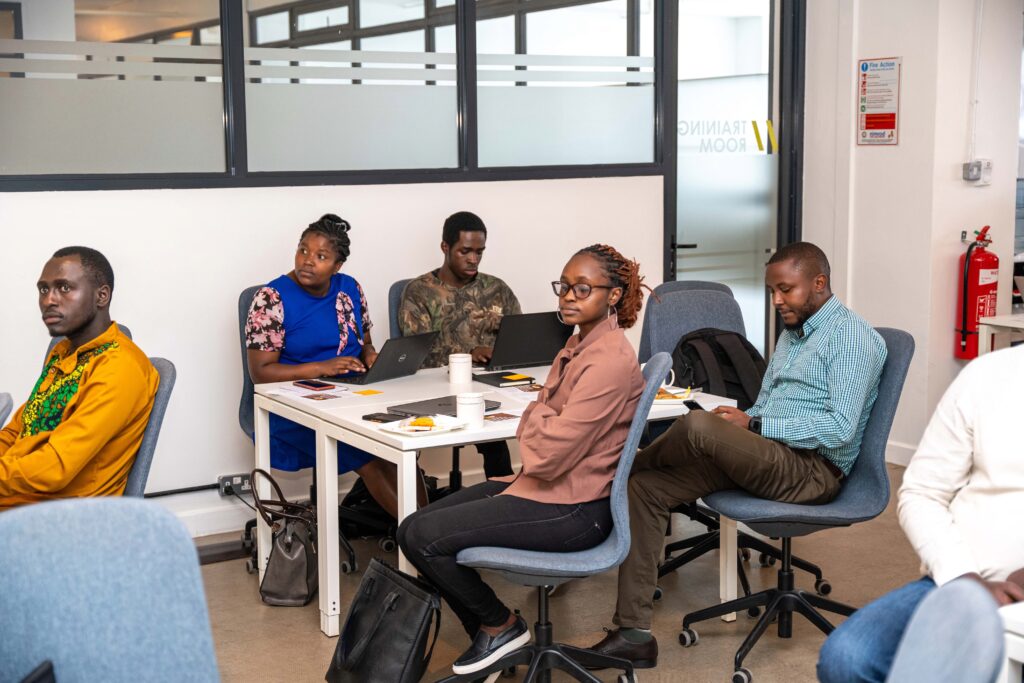
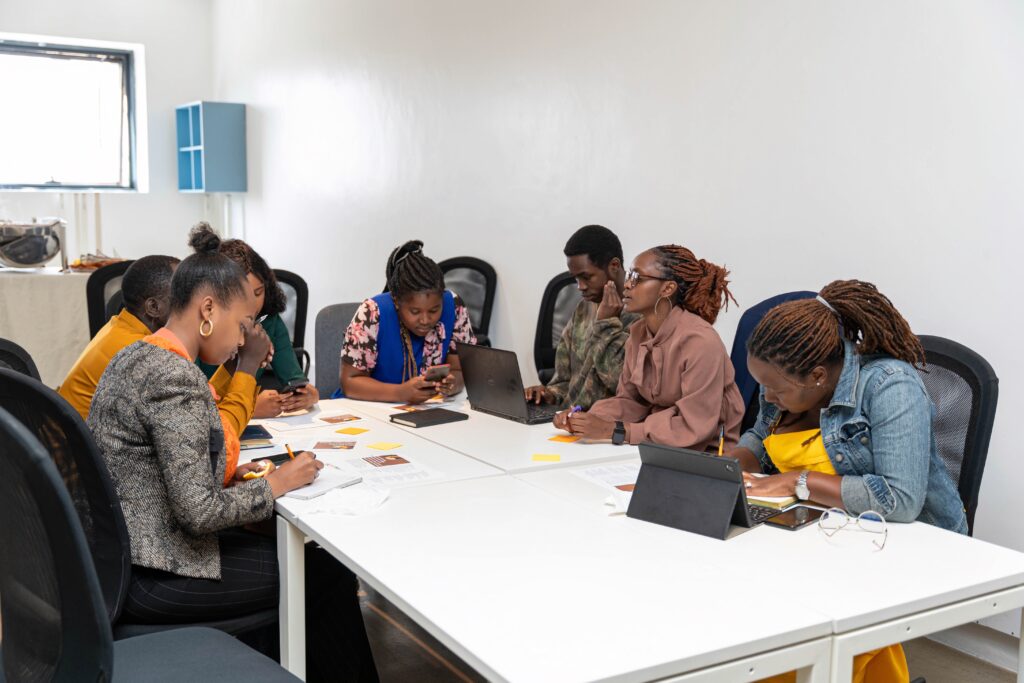
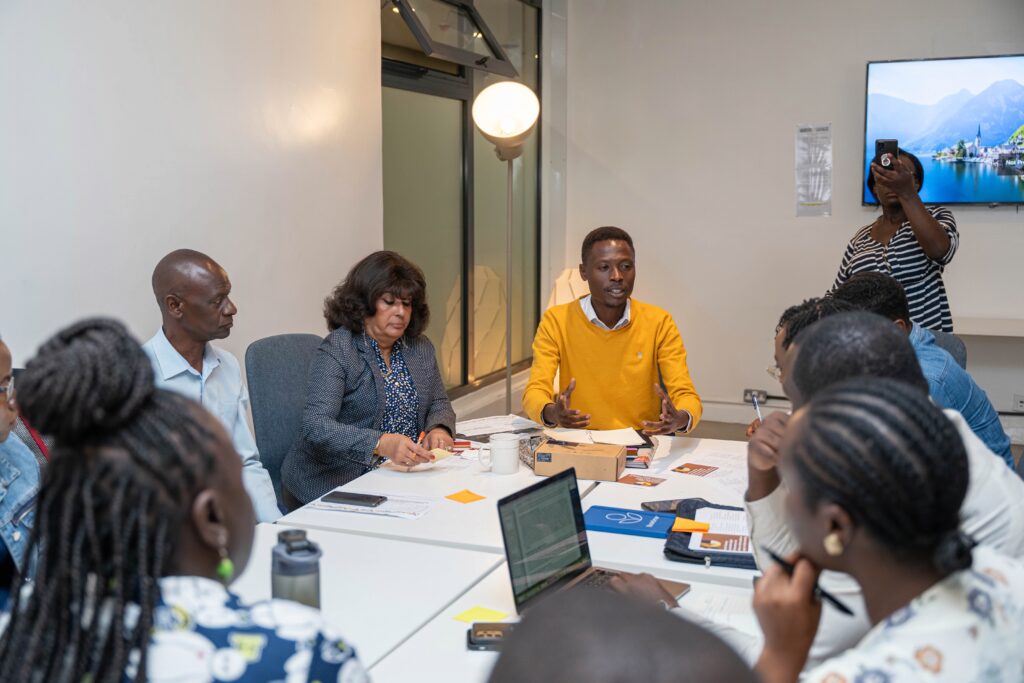
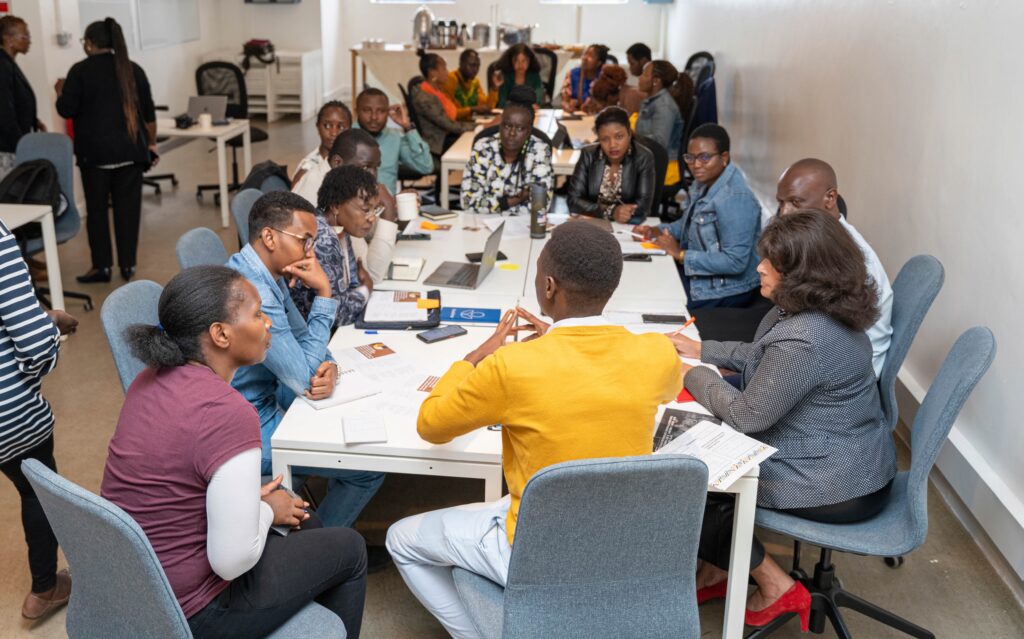
Having gone through the first four EdTech Collective Action Fridays workshops, it was time for the team to meet for the final Goal, centered on developing Sustainable Digital Infrastructure and Evidence-Driven Policy to Support Resilient Learning. It was a meeting that brought together experts from various fields to explore how Policy and Infrastructure are affecting adaptable resilient learning solutions.
This workshop therefore was important as we got to identify the enablers and barriers to achieving this target but first, we got an opportunity to know how we got here through Jennifer Otieno, (EdTech East Africa Founder and CEO) who took us through the inception of the workshops. Apart from the key shapers which can be looked at as the past, the present, and the future, this conversation was represented at the Kenya Tech Summit 2022, and the Collective Action Fridays workshops, it will also be had at the Kenya EdTech Summit 2023.
Taking us down the tech road in Africa, she focused mainly on how it has been applied in teaching. Kenya, in particular, traces its journey to the late 90s when according to the Presidential Working Party for Education Reforms, teachers began receiving training in ICT integration in teaching and learning, and schools began to receive basic ICT infrastructure, including projectors and laptops for teachers. It was however in June 2006 that the first National ICT Strategy for Education and Training was introduced by the Ministry of Education, In partnership with the state, non-governmental and civil society groups then began to implement activities to foster digital learning in Kenya, key among them being to improve digital infrastructure.
The journey to digitize learning in Kenya did not pick up faster as it wasn’t until 2013 that the government started the first large-scale digital teaching and learning initiative named the Digital Literacy Programme (DLP). This was aimed at children in grades 1-3 in public schools. This project according to findings submitted by The Presidential Working Party on Educational Reforms was revamped in early 2016 having failed to attract more interested parties. As the year came to an end, the DLP was scaled to a national level with the intention of integrating ICT into teaching and learning.
The Covid-19 pandemic required education systems to adopt new operational approaches having failed to attract more interested parties. As the year came to an end, the DLP was scaled to a national level with the intention of integrating ICT into teaching and learning. It wasn’t until the time when Covid-19 happened that Kenya saw a rise in digitally enabled teaching and learning. According to Brunel University, the Covid-19 pandemic required education systems to adopt new operational approaches and this further escalated already existing problems of limited internet access, inadequate learning facilities, and a lack of enough trained teachers among other problems.
In this article titled Teachers’ Use of ICT in Implementing the Competency-based Curriculum in Kenyan Public Primary Schools, Julius Mureithi and Jin Eun Yoo state that UNICEF estimated that close to 20 million learners spread across the country were out of school because of COVID-19 in Kenya as governments were forced to close schools to minimize the spread of the deadly virus.
ENABLERS AND BARRIERS
To help us take a clear look at the two issues presented, Joan Mwachi, EdTech East Africa’s Collective Action Goals facilitator, divided the participants into two groups. One group discussed the enablers and barriers to building a digital infrastructure in Kenya and the other, the enablers and barriers to evidence-driven policy. These two questions made way for robust discussions as different persons went ahead to define the terms used and then made their contributions in the context of education in Kenya.
Availability of funds is essential for building and sustaining digital infrastructure as it ensures that students are provided with the necessary tools, resources, and training to thrive in the digital age, ultimately improving the quality of education and preparing students for the future workforce. However, studies have shown that infrastructure and ICT equipment shortages were among the challenges facing the implementation of ICT in primary schools in Kenya.
According to a study that was carried out in 2015 targeting 40 primary schools and 450 teachers, it was noted that 94% of the schools did not have ICT equipment, all schools in the study had a shortage of classrooms and only two private schools had functional computer laboratories. The members agreed therefore that there is a need for actors in education to come together and help bolster the digital infrastructure and evidence-driven policy.
Accessibility and connectivity also came out as playing a crucial role in the growth of digital infrastructure and evidence-driven policy in Kenyan education, as they enable various stakeholders to leverage technology to improve the quality of education and make informed decisions. This is because it allows for connectivity between students and teachers giving them access to online learning materials. Information through digital platforms also enables parents and guardians to stay informed about their children’s education. They can monitor progress, communicate with teachers, and participate in their child’s learning journey more actively.
Good government policies that focus on infrastructure development, digital literacy, data privacy, and evidence-driven decision-making help to foster the growth of digital infrastructure and improve the quality of education in the country. Such policies as suggested, should be designed with the goal of ensuring that all students have access to a high-quality education. They should prioritize investments in digital infrastructure, such as reliable internet connectivity, electricity access, and the provision of computing devices (e.g., laptops or tablets) to schools and students. This ensures that students and educators have access to the necessary tools for digital learning.
Tied to this is political goodwill that leads to increased allocation of resources for digital infrastructure in education. This includes funding for hardware like computers and tablets, the development of software for educational purposes, and internet connectivity in schools. When policymakers prioritize these investments, it creates an enabling environment for the growth of digital infrastructure.
Political leaders can create policies and regulations that support the integration of technology into education. These policies may include incentives for private sector investment in education technology and the development of guidelines for using digital tools effectively in the classroom. A supportive policy environment encourages the adoption of digital infrastructure.
It was also noted that collaboration is a great enabler as it brings different players both from the government and the private sector to work together through the creation of policies and regulations that support the integration of technology into education, and the provision of digital infrastructure.
Teacher perceptionand capacity were also mentioned as both an enabler and barriers in advancing digital infrastructure. Mureithi and Yoo (2021), demonstrated that ICT in education helps create opportunities for learners to develop 21st Century skills but this depends on the digital literacy of teachers (UNESCO, 2012). Studies on the capacity of teachers in primary schools in Kenya show that, despite the policy formulation for ICT in education and financial investment, the integration of technology in Kenyan classrooms remains low.
According to them, studies on how perception affects the integration of ICT in education show that what teachers think about the use of technology affects their acceptance and subsequent application in their activities. In a study to assess teachers’ beliefs, attitudes, self-efficacy, computer competency, and age, they found out that younger teachers had a highly positive attitude toward technology. This finding they add, could be attributed to the younger teachers having received technology training in the teacher training colleges. It was therefore agreed that teachers’ attitudes should be addressed so as to get the desired results.
The presence of data and consumer awareness was raised as an enabler as information like student performance, attendance, teacher effectiveness, and resource allocation will assist both the government, education institutions, and policymakers to identify areas of improvement, allocate resources more effectively, and tailor educational programs to meet specific needs.
BARRIERS:
The disconnect between policymakers and academia was seen as a great barrier to digital infrastructure and evidence-driven policy as it contributes to its inefficacy in different ways. A study by Kenyatta University on E-Learning policy-making processes in Marsabit Distance Learning Centre quotes McGrath saying that policies that have not been informed by good evidence and analysis result in becoming a victim of the ‘Law of unintended consequences’.
One of the ways is through misalignment of goals where policymakers may set lofty goals and objectives for digital infrastructure and evidence-driven policies without fully understanding the practical challenges and limitations faced by educators and schools. This misalignment can lead to unrealistic expectations and resource allocation. Policymakers may also formulate policies and initiatives without consulting teachers, administrators, and other education professionals who work directly in schools. Such goals and policies become difficult for teachers to implement.
Insufficient trainingand support of teachers and education practitioners is also another barrier. Formulating policies and initiatives without consulting teachers, administrators, and other education professionals who work directly in schools can result in policies that are out of touch with the realities of the classroom and are difficult to implement.
Another challenge is that of resource constraints. When an institution is allocated inadequate funding, it inhibits the work to be done and undermines the success of the initiatives.
Socio-cultural factors came into play as another hindrance to digital infrastructure and evidence-driven policies in Kenya’s education system. Income and location can determine who has access to the internet and digital devices. This can lead to a digital divide where students from disadvantaged backgrounds are left behind.
Cultural attitudes can shape how education is perceived. In some cultures, traditional forms of education are highly valued, and there may be resistance to adopting digital methods. Parents and communities may prioritize traditional teaching methods over digital ones. There are communities that also do not consider it important to educate a girl child therefore girls and young women may face additional barriers in accessing digital infrastructure and pursuing education in STEM fields, further perpetuating gender disparities.
Recommendations to the PWPER from the EdTech Taskforce
A task force of over 20 digital learning organizations representing research, practice, innovation, and funding submitted six recommendations to the presidential Working Party on Education reforms. The task force, represented at this workshop by James Ong’ang’a, from Longhorn Publishing, tabled the following recommendations, three of which made it to the final report.
Strengthen the foundation for inclusive digital learning
Augment the enabling policy environment for digital learning to occur
Leverage technology to promote inclusion and enhance universal access to education
Use technology to transform the way learning happens and improve learning outcomes
Empower all learners with digital literacy skills to help them thrive in a digital workforce and society
Increase and optimise EdTech financing
CONCLUSION:
Developing sustainable digital infrastructure and evidence-driven policy to support resilient learning in Kenya requires different actors to come together. The first is to create accessible digital infrastructure, with widespread internet connectivity and reliable power sources, to ensure that remote learning can thrive across the country. Policymakers should prioritize data collection and analysis to inform educational decisions, using evidence-based insights to tailor learning programs effectively.
Furthermore, fostering partnerships with technology providers and educational institutions can help create innovative solutions for diverse learning needs. This cannot be done by an individual institution and EdTech creates an avenue where different players come together to discuss how best to achieve this for learners in Kenya.
When I was younger, I never paid much attention to who was teaching me. If I had, I would have realised that everyone was my teacher. Not just my mother, or my subject teachers. But the faceless heads of departments that helped design my curriculums, and the nameless government officials that told them what to put in and what to take out. If I had paid attention, I would have noticed the unique ways each of these people contributed to my education.
But since I wasn’t paying attention, I never questioned whether it is fair to hold teachers solely responsible for educating our children. I rarely interrogated whether it is appropriate for a nameless individual to design a curriculum they have no hand in implementing. I did not wonder how each of them was prepared to teach me.
This is why I participated in the fourth Collective Action Friday workshop, hosted by EdTech East Africa and co-hosted by METIS. The workshop focused on the fourth Collective Action Goal – to fortify the capacity of those closest to learners (educators, pedagogical leaders, and caregivers). It progressed a conversation that began at the Kenya EdTech Summit 2022 where we agreed that capacity building for all educators was something we needed to address. In this workshop, we discussed the barriers and enablers that frustrate and nurture, respectively, collective action in this area.
Here’s what we found.
The Beginning
We began by introducing ourselves and quickly learned that the room was full of decision-makers, policy chasers, and dream enablers. This was important as it allowed us to emphasize the indispensable role of collective action in realizing our shared goals. Thereafter, we broke into three distinct groups – parents, pedagogical leaders, and teachers – and dove into identifying the obstacles and facilitators of capacity building in our respective roles. This segmentation is important because it informs the problem-solving process and helps us design solutions that respond to contexts and needs.
For example, the lack of digital literacy skills was cited among all three groups as a barrier. However, parents were more concerned with the gaps in their knowledge about online safety, safeguarding, and digital citizenship. While educators and pedagogical leaders were more concerned with the lack of traditional digital skills (computer literacy, digital literacy, and coding).
Once again, government policy was cited as an enabler and a barrier. Where pedagogical leaders found that existing policy enables them to develop contextualised solutions, teachers and parents disagreed. For these two groups, the mere existence of policy did not inherently translate into seamless contextual adaptation, practical implementation, or a nuanced grasp of its implications. This is exemplified notably in the evolving role parents are now expected to play in our Competency-Based Curriculum (CBC). Although CBC champions social justice, equity, and civic leadership, pedagogical leaders did not, as one participant noted, consider how the intricacies of gender-based role divisions within the household would affect its implementation. For example, how can we expect learners to internalise potent lessons on gender equity and equality if the same values aren’t actively practised within the confines of the home? How can we invite men, who are often relegated to the role of occasional “babysitters” of their own children, to participate in their children’s education? How do we unburden mothers when the term “caregiver” connotes the feminine and maternal?
Turning to enablers, each group identified shifting perspectives and a willingness to learn as enablers. Therein suggests that the biggest tool in our arsenal is the environment in which we operate. Yet, and perhaps for the first time in our Collective Action Friday Workshop series, we acknowledged that these barriers weren’t seen as roadblocks, but rather as stepping stones. They represented the terrain to traverse, highlighting the undeniable truth that adversity often births innovation.
Thus begging the following: What can we do about it?
Introducing Metis
This is where Metis, and the formidable Grace Wairimu, come in. Metis is a for-impact organisation that equips, connects, and amplifies proximate leaders creating contextualised solutions for a world where all learners thrive. They achieve this objective by way of three programmes; (1) A 6-month fellowship; (2) InnovatED and; (3) ReimaginED. With an impressive track record, they’ve impacted an astounding 4 million learners over the past 5 years through their community-driven initiatives. Not to mention, they’ve provided invaluable Home Learning Guides to 135,000 families and mentored 100 teachers in cultivating student-centered classrooms across the country (you can read all about it here, here, and here).
With an impressive track record, Metis has impacted an astounding 4 million learners over the past 5 years through their community-driven initiatives.
Grace began her presentation with a series of true/false statements about how we feel about the state of digital learning in Kenya. The final statement was “We have reasons to be hopeful about inclusive digital learning,” and everyone agreed. But when pressed on why, one reason sparked a eureka moment in every single mind in the room. MPESA.
While not an EdTech tool, MPESA showed us that we can scale up affordable and accessible solutions. MPESA showed us that people can be adopters if the solutions proposed respond to their local realities and needs. MPESA showed us that we can overcome, seemingly, impossible problems like infrastructure, financing, and government policy environments. Ultimately, MPESA showed us that if we can do it once, we can do it again and again and again.
The Path Forward: Charting Actionable Insights
Once we remembered this cardinal truth, we returned to our enablers and barriers. Returning to our groups, we transitioned into an invigorating dialogue about the necessary information stakeholders need to effectively tackle these shortcomings and amplify the potential of these opportunities. Put simply, what do we need to know? And how do we need to know it?
As discussions flowed, the consensus emerged that the challenge at hand transcends mere information availability; it’s rooted in the nuanced art of delivery. This realization propelled the conversation towards an imperative question: How can we harness existing communication channels such as SMS, radio broadcasts, podcasts, YouTube, and others, to effectively disseminate information concerning online safety, digital literacy, and the cutting-edge horizons of educational technology? The groups grappled with the task of crafting solutions that are not only accessible but also deeply relevant to the diverse stakeholders within the educational ecosystem. The emphasis was on addressing the ‘how’ – how can these channels become conduits for knowledge that empower educators to confidently navigate the digital landscape, ensuring that no one is left behind on the journey towards educational innovation?
And, more importantly, how will we know we were successful? We’ll leave this question for you to ponder for the Kenya EdTech Summit ‘23, where we’ll continue to have forward-looking conversations.
Conclusion
Ultimately, the fourth Collective Action Friday workshop left an indelible mark on every participant. It was a reminder that education isn’t confined to the walls of a classroom; it is a dynamic interplay of diverse roles working in harmony to uplift learners. Furthermore, the workshop reaffirmed the necessity of collaboration between those who design education, and those tasked with implementing it in all its forms.